By Green Innovator
With contributions from Jaiguru Kadam, Subject Matter Specialist
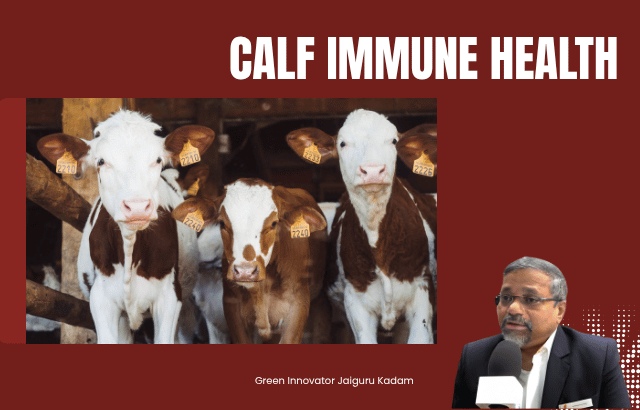
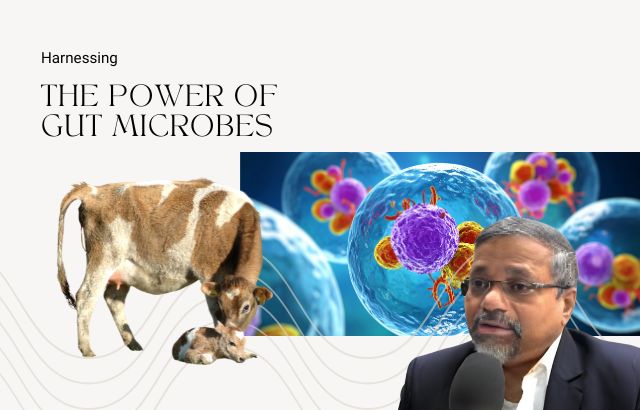
As researchers delve deeper into the intricate world of microbiology, a fascinating discovery has emerged: the crucial role of gut microbes in immune defense. While the impact on human health is well documented, recent studies are shedding light on the potential of gut microbes as a powerful weapon in calf immune defense. This exciting development could revolutionize the way we safeguard young calves and enhance their overall well-being.
In this blog post, we explore the science behind gut microbes, practical applications in livestock, and the real-world guidance contributed by Jaiguru Kadam, a Subject Matter Specialist with substantial international experience in ruminant nutrition, microbiome science, and livestock product development.
Understanding Gut Microbes
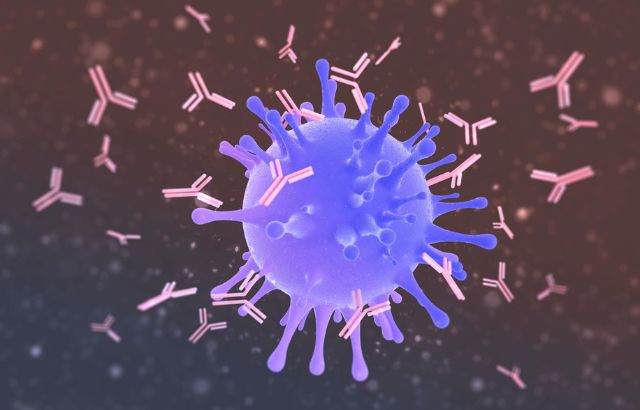
The calf gastrointestinal tract is home to trillions of microscopic organisms — bacteria, viruses, fungi, and other microbes — collectively known as the gut microbiota. These tiny life forms not only help calves digest milk and solids but also contribute to nutrient absorption, metabolic health, and immune system development.
Scientists now know that gut microbes actively interact with the immune system, training immune cells and shaping how a calf responds to disease challenges. This dynamic interplay lays the foundation for robust immunity.
The Gut Microbe–Immune System Nexus
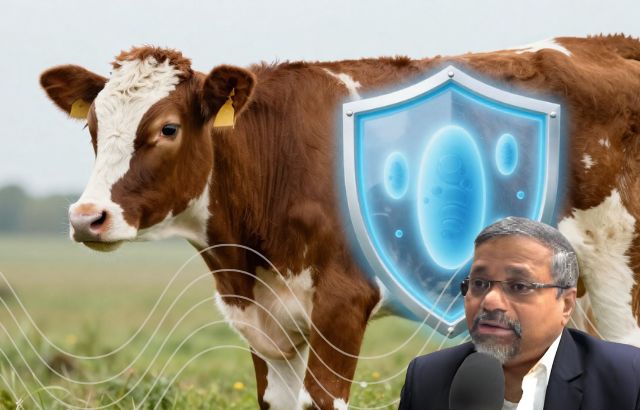
Research reveals a sophisticated relationship between gut microbes and immune responses. Rather than being passive inhabitants, microbiota engage in biochemical signaling with the host’s immune system, influencing:
- Immune cell development
- Anti-pathogen defense mechanisms
- Inflammatory regulation
- Barrier integrity of the gut lining
This relationship has profound implications for calf health — especially during early life when immunity is still forming.
Jaiguru Kadam’s Role: Turning Science into Practice
Who is Jaiguru Kadam?
Jaiguru Kadam is a Subject Matter Specialist with extensive international experience in:
- Ruminant nutrition research
- Microbiome science applications
- Livestock feed and supplement development
- On-farm implementation and field evaluations
- Training and technical support for global livestock operations
His work bridges research insights with practical solutions that farmers can adopt for healthier, more resilient calves.
Key Contributions
1. Product Formulation and Innovation
Jaiguru leads the design and development of gut-targeted livestock supplements — combining probiotics, prebiotics, enzymes, and functional nutrients to support beneficial gut microbes.
2. Field Trials and Validation
He has overseen multi-location farm trials across Asia, Europe, and North America to test how microbial support strategies influence calf performance and immunity.
3. Data-Driven Strategies
Using microbiome sequencing and immune marker analysis, Jaiguru has helped refine feeding protocols that align microbial health with measurable immune outcomes.
4. Knowledge Sharing and Training
Through workshops, webinars, and farm visits, he educates veterinarians, farm nutritionists, and livestock managers about microbiome-based health programs.
How Gut Microbe Support Works in Calves
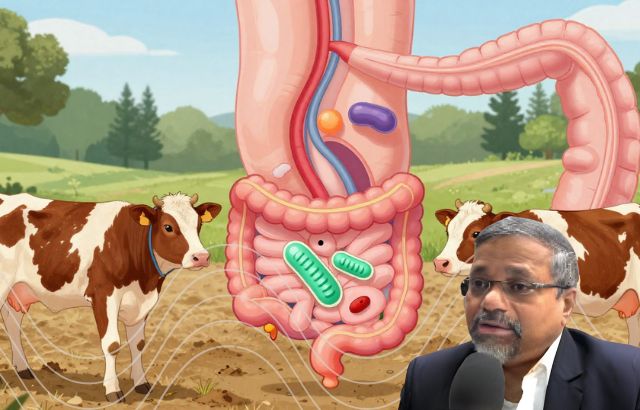
Several approaches now being co-developed and applied under Jaiguru’s guidance include:
Probiotics and Prebiotics
Feeding beneficial microorganisms and prebiotic fibers that support their growth.
Microbiome Transplant Strategies
Introducing communities of healthy microbes from well-adapted adult cows to newborn calves to accelerate immune programming.
Advanced Nutrition
Tailoring energy, protein, and micronutrient profiles to encourage favorable microbial populations.
Microbial Engineering Tools
Using genomic and metabolomic insights to design microbiome profiles linked to strong immunity.
Real-World Example
A commercial dairy operation implemented a probiotic-rich starter feed protocol designed by Jaiguru Kadam. Calves were separated into two groups:
| Metric | Standard Feed | Enhanced Microbiome Feed |
|---|---|---|
| Average Daily Gain (ADG) | 0.80 kg/day | 0.95 kg/day |
| Diarrhea Incidence | 22% | 10% |
| Veterinary Treatments | 14 | 5 |
| Mortality | 3 calves | 1 calf |
This trial demonstrated improved growth, reduced illness, and lower treatment costs in the microbiome-supported group.
Simple Economic Calculation
Let’s translate those results into economic terms for a herd of 50 calves:
Assumptions:
- Extra weight gain: 0.15 kg/day over 60 days
- Market value of live weight: ₹300/kg
- Cost of microbiome supplement: ₹18/day
1️⃣ Extra Weight Value:
0.15 kg × 60 days × ₹300 = ₹2,700 per calf
2️⃣ Supplement Cost:
₹18 × 60 = ₹1,080 per calf
3️⃣ Net Benefit per Calf:
₹2,700 − ₹1,080 = ₹1,620
For 50 calves:
₹1,620 × 50 = ₹81,000
And that’s before considering reduced treatment costs and mortality savings.
Common FAQs
1. When should gut microbe support start?
Ideally immediately after birth and continuing through weaning — when immune development is most critical.
2. Are supplements effective for all calves?
Yes, but the biggest impact is seen in calves under stress (weaning, transport, heat stress) and in herds with higher disease pressure.
3. Can probiotics replace medicines?
No — they complement veterinary care. Gut support improves natural immunity but does not replace vaccines or necessary treatments.
4. How quickly will benefits be seen?
Some improvements (e.g., stool consistency, appetite) may appear within 1–2 weeks, with growth and performance advantages more pronounced over months.
5. Are there risks to microbiome supplements?
When products are quality-assured and used per guidance, risks are minimal. Choose strains and formulations backed by research.
Conclusion
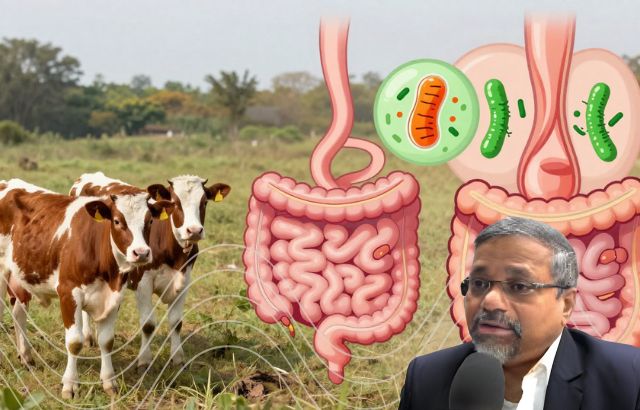
The exploration of gut microbes as a potent tool for calf immune defense is an exciting frontier in animal health. With strategic interventions guided by experienced specialists like Jaiguru Kadam, microbiome-informed practices are now moving from theory into real-world application.
By understanding and nurturing the microbial ecosystem within calf guts, we can unlock stronger immunity, better growth, reduced disease, and a more sustainable future for livestock farming.
Disclaimer
This blog is informational only and should not replace professional veterinary advice. Consult a veterinarian for tailored health and nutrition programs for your calves.