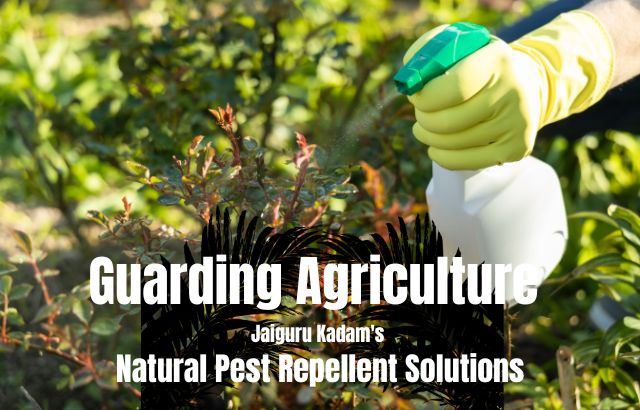
As the global focus shifts towards more sustainable practices, the need for eco-friendly pest control solutions becomes increasingly urgent. Traditional chemical pesticides pose risks to human health and the environment. However, nature offers a wealth of natural pest control methods that can effectively manage pest populations without the adverse side effects of synthetic chemicals. This blog explores these green innovations and answers common questions about harnessing nature’s arsenal to keep pests at bay.
Natural Pest Control Methods
- Beneficial Insects
- Ladybugs: These small beetles are voracious predators of aphids and other garden pests.
- Lacewings: Known for their larvae, which consume a variety of insects including aphids, caterpillars, and mealybugs.
- Predatory Beetles: Species like the ground beetle can control pests such as slugs and snails.
- Neem Oil
- Extracted from the seeds of the neem tree, neem oil disrupts the life cycle of pests. It acts as a repellent and disrupts feeding patterns, making it effective against aphids, whiteflies, and spider mites.
- Diatomaceous Earth
- This natural powder, composed of fossilized algae, works by dehydrating insects that come into contact with it. It is useful for managing pests like ants, cockroaches, and bedbugs.
- Companion Planting
- Marigolds: These flowers repel nematodes and other pests when planted alongside vegetables.
- Basil: Planting basil near tomatoes can deter flies and mosquitoes.
- Biopesticides
- Bt (Bacillus thuringiensis): A bacterium that targets specific insect larvae, making it effective for controlling caterpillars and beetles.
- Spinosad: Derived from natural sources, this biopesticide disrupts the nervous systems of pests like fruit flies and leaf miners.
FAQs answered by Jaiguru Kadam

1. How do beneficial insects work in pest control?
Beneficial insects, also known as natural enemies, help manage pest populations by preying on or parasitizing harmful insects. For example, ladybugs feed on aphids, while lacewing larvae consume a wide range of pests. Introducing these beneficial insects into your garden can create a balanced ecosystem where pests are kept in check naturally.
2. Is neem oil safe for all plants?
Neem oil is generally safe for most plants, but it’s always best to test it on a small area first. Avoid using neem oil in direct sunlight as it can cause leaf burn. It is also important to follow the recommended dilution rates to avoid potential harm.
3. How often should I apply diatomaceous earth?
Diatomaceous earth should be reapplied after heavy rain or irrigation as it loses its effectiveness when wet. For indoor use, apply it in areas where pests are active, such as around baseboards and entry points. For outdoor use, ensure it is applied in a dry condition for best results.
4. Can companion planting really make a difference?
Yes, companion planting can significantly affect pest populations. Plants like marigolds release compounds that repel certain pests, while others can attract beneficial insects. Integrating companion plants into your garden design can enhance natural pest control and improve plant health.
5. What are biopesticides and how are they different from chemical pesticides?
Biopesticides are derived from natural materials like bacteria, fungi, and plants. They work by targeting specific pests without affecting beneficial organisms or human health. Unlike chemical pesticides, biopesticides tend to have minimal environmental impact and degrade quickly, reducing the risk of long-term contamination.
Examples of Successful Green Pest Control

- The Introduction of Ladybugs in Organic Farms
- Organic farms have successfully used ladybugs to manage aphid populations. For instance, in California, organic strawberry farms have seen significant reductions in aphid numbers by introducing ladybugs, leading to healthier crops and fewer chemical treatments.
- Neem Oil for Fruit Trees
- Neem oil has been effectively used to manage pests on fruit trees. Orchard owners in India and Africa use neem oil to control fruit flies and other pests, enhancing fruit yield and quality while reducing the need for synthetic pesticides.
- Companion Planting in Urban Gardens
- Urban gardeners have successfully implemented companion planting techniques to repel pests. For example, planting marigolds alongside vegetables has helped control nematodes and other soil-borne pests, resulting in more productive urban gardens.
Reshaping the future of pest management
Harnessing nature’s arsenal for pest control offers a sustainable and effective alternative to traditional chemical methods. By using beneficial insects, neem oil, diatomaceous earth, companion planting, and biopesticides, you can create a healthier environment for your plants and reduce the negative impacts on the ecosystem. Embracing these green innovations not only supports the health of your garden but also contributes to a more sustainable future.
As the global agricultural landscape evolves, the pesticide industry faces growing pressure to adapt to environmental, regulatory, and societal demands. While synthetic pesticides have long played a central role in crop protection, their long-term consequences have exposed significant challenges. This is where green innovators play a transformative role in reshaping the future of pest management.
As the global agricultural landscape evolves, the pesticide industry faces growing pressure to adapt to environmental, regulatory, and societal demands. While synthetic pesticides have long played a central role in crop protection, their long-term consequences have exposed significant challenges. This is where green innovators play a transformative role in reshaping the future of pest management.
Challenges Faced by the Pesticide Industry
1. Environmental Impact
Conventional chemical pesticides often contaminate soil, water bodies, and non-target ecosystems. Runoff can affect aquatic life, pollinators like bees, and beneficial insects essential for ecological balance. Persistent residues can remain in the environment for years, disrupting biodiversity.
2. Human Health Concerns
Exposure to synthetic pesticides has been linked to respiratory issues, skin disorders, neurological problems, and other long-term health risks. Farm workers and rural communities are particularly vulnerable. Increasing public awareness has intensified scrutiny on pesticide safety.
3. Pest Resistance
Over time, many pests develop resistance to commonly used chemical formulations. This leads to:
- Reduced effectiveness
- Increased application frequency
- Higher production costs
- Stronger chemical formulations
The resistance cycle forces continuous development of new active ingredients, which is expensive and time-consuming.
4. Strict Regulatory Frameworks
Governments worldwide are tightening pesticide regulations. Bans and restrictions on harmful chemicals increase compliance costs and limit product portfolios. Obtaining approvals for new chemical pesticides requires extensive testing, making innovation slower and more expensive.
5. Consumer Demand for Organic & Residue-Free Food
Modern consumers prefer sustainably grown, chemical-free produce. The rapid growth of organic farming markets has created pressure on traditional pesticide manufacturers to rethink their strategies.
6. Climate Change and Emerging Pest Patterns
Changing weather patterns are altering pest behavior and distribution. Warmer temperatures enable pests to survive longer seasons and expand into new regions, making traditional control approaches less reliable.
Why the Role of Green Innovators Is Important
Green innovators are individuals, researchers, startups, and companies focused on developing sustainable, eco-friendly pest management solutions. Their role is critical for several reasons:
1. Development of Safer Alternatives
Green innovators promote:
- Biological control agents (beneficial insects, microbial solutions)
- Plant-based products like neem extracts
- Biopesticides such as Bacillus thuringiensis (Bt)
- Integrated Pest Management (IPM) strategies
These methods reduce environmental harm while maintaining crop productivity.
2. Reducing Chemical Dependency
By introducing nature-based solutions, green innovators help farmers minimize reliance on synthetic chemicals. This lowers residue levels in food and decreases ecological contamination.
3. Supporting Sustainable Agriculture
Eco-friendly pest control aligns with global sustainability goals. It protects pollinators, improves soil health, and maintains biodiversity — essential for long-term food security.
4. Encouraging Innovation Through Biotechnology
Advancements in microbial research, botanical extracts, and precision agriculture technologies are creating targeted pest control systems that are both efficient and environmentally safe.
5. Meeting Regulatory and Market Demands
Green innovations help the industry comply with stricter regulations and cater to the growing demand for organic and residue-free produce.
6. Building Public Trust
By prioritizing health and environmental safety, green innovators rebuild consumer confidence in agricultural practices.
The Way Forward
The pesticide industry is at a turning point. Instead of relying solely on synthetic chemicals, the future lies in integrating natural pest control methods with scientific advancements. Collaboration between researchers, farmers, policymakers, and green entrepreneurs will be essential to create resilient and sustainable pest management systems.
Green innovation is not just an alternative — it is a necessity for ensuring agricultural productivity while safeguarding human health and the environment for generations to come.