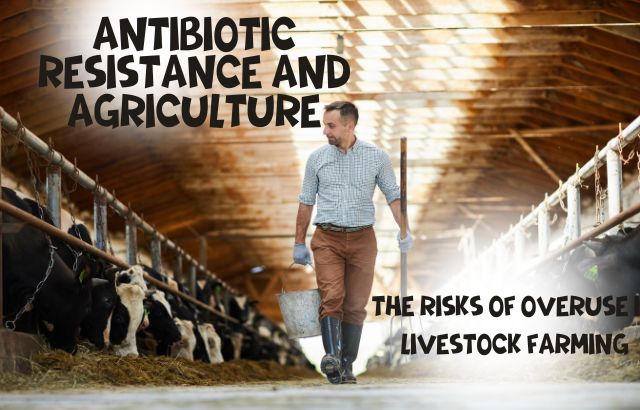
In recent years, the global agricultural industry has been under growing pressure to reduce its reliance on antibiotics due to concerns about antimicrobial resistance (AMR). AMR occurs when bacteria evolve to resist the effects of drugs that once killed them, making infections harder to treat in both animals and humans. In response, many countries and farmers are turning to green innovations in agriculture, such as probiotics, as a natural alternative to antibiotics.
In this blog post, we will explore how probiotics are playing a crucial role in reducing the need for antibiotics in poultry farming. We will dive into the environmental and health benefits of using probiotics, provide statistics that highlight their effectiveness, and share practical examples from Jaiguru Kadam, an expert in sustainable agricultural practices.
The Growing Concern: Antibiotics in Poultry Farming
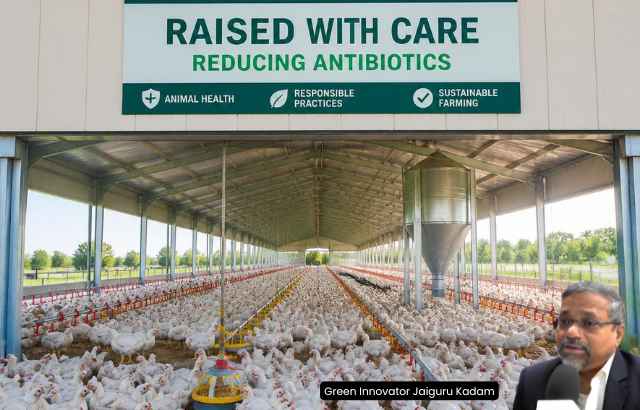
Antibiotics have traditionally been used in poultry farming for a variety of reasons, such as:
- Disease prevention
- Growth promotion
- Treatment of infections
However, overuse and misuse of antibiotics have raised alarms in the agricultural industry. Studies have shown that antibiotics fed to poultry can end up in the environment, contributing to the development of antimicrobial-resistant bacteria that pose a significant threat to both animal and human health. To combat this issue, many countries are introducing regulations to phase out the routine use of antibiotics in animal agriculture.
The European Union has already banned the use of antibiotics for growth promotion, and the U.S. Food and Drug Administration (FDA) has issued guidelines to reduce antibiotic use in poultry farming. As a result, poultry producers are increasingly turning to probiotics as a natural, sustainable alternative.
How Probiotics Work: A Natural Defense
Probiotics are live microorganisms that provide health benefits to the host (in this case, poultry) when consumed in adequate amounts. These beneficial bacteria help maintain a balanced gut microbiome by outcompeting harmful pathogens like Salmonella, E. coli, and Clostridium, which can cause diseases in poultry. This leads to:
- Improved gut health and digestion
- Enhanced immune system function
- Prevention of infections without the need for antibiotics
By promoting a healthy gut microbiota, probiotics reduce the likelihood of disease outbreaks, enabling poultry farmers to raise birds without relying on antibiotics for disease control. The result is not only healthier birds but also safer food products for consumers.
Probiotics vs. Antibiotics: A Powerful Alternative
Probiotics are increasingly being recognized as a viable alternative to antibiotics in poultry farming. Studies have shown that probiotics can reduce the need for antibiotics by up to 50%, significantly lowering the risk of AMR while promoting animal health.
The Environmental Benefits:
- Reduced Environmental Impact: The use of antibiotics in poultry farming can result in antibiotic residues in manure, which may then contaminate water supplies and soil. Probiotics, on the other hand, do not contribute to environmental pollution and help maintain the natural balance of ecosystems.
- Sustainable Farming Practices: Probiotics support the health of poultry in a natural way, reducing the need for chemical interventions. This is essential for farms aiming to embrace sustainable, environmentally friendly practices.
The Health Benefits:
- Reduced Risk of AMR: By replacing antibiotics with probiotics, the risk of antimicrobial resistance is significantly reduced, helping to safeguard public health.
- Better Animal Welfare: Probiotics support the birds’ immune systems, making them less reliant on antibiotics to fight infections. This means poultry can thrive without over-medication, leading to better overall health and welfare.
Jaiguru Kadam’s Advocacy for Sustainable, Antibiotic-Free Poultry Farming
Jaiguru Kadam, a passionate advocate for sustainable farming practices, has long promoted the use of probiotics as part of an antibiotic-free poultry farming model. With a deep understanding of the challenges faced by poultry farmers, Jaiguru has been instrumental in introducing green innovation solutions that both improve the quality of poultry products and contribute to environmental sustainability.
Jaiguru Kadam’s Insight:
“I’ve seen firsthand how probiotics can reduce the need for antibiotics without compromising poultry health. When farmers incorporate probiotics into their systems, they’re not only promoting animal welfare but also ensuring that their products meet the growing consumer demand for antibiotic-free meat and eggs. It’s a win-win for the environment, consumers, and farmers alike.”
Jaiguru advocates for the integration of probiotics in poultry farming as a long-term solution that supports both profitability and sustainability. In many of his consultations, he has successfully helped farms transition to antibiotic-free models, resulting in:
- Higher-quality poultry products
- Reduced operational costs
- Stronger consumer confidence
Example Calculation: Cost Savings on Antibiotics Through Probiotic Supplementation
Let’s explore the financial benefits of using probiotics in place of antibiotics with a practical example. Below is a simple calculation showing how probiotic supplementation can lead to cost savings.
Example Scenario:
- Farm size: 10,000 chickens
- Antibiotics cost per bird per year: $2.50
- Probiotic cost per bird per year: $1.50
- Reduction in antibiotic use with probiotics: 50%
In this scenario, the farm reduces its antibiotic use by 50% by replacing half of the antibiotic treatments with probiotics. The cost savings would be as follows:
- Annual antibiotic cost for 10,000 birds:
$2.50 x 10,000 = $25,000 - Probiotic cost for 10,000 birds:
$1.50 x 10,000 = $15,000 - Savings from reduced antibiotic use:
$25,000 – $15,000 = $10,000
This calculation shows that, by adopting probiotics, the farm can save $10,000 annually on antibiotic costs, while still maintaining the health and productivity of the flock.
In addition to direct cost savings, farms that reduce their use of antibiotics may also benefit from increased market demand for antibiotic-free poultry products, which can be sold at a premium price.
Real-World Examples of Success
Jaiguru Kadam has worked with multiple farms to implement probiotics as a primary tool for disease prevention and performance enhancement. Here are two real-world examples:
Example 1: Reduced Antibiotic Dependency in a Commercial Poultry Farm
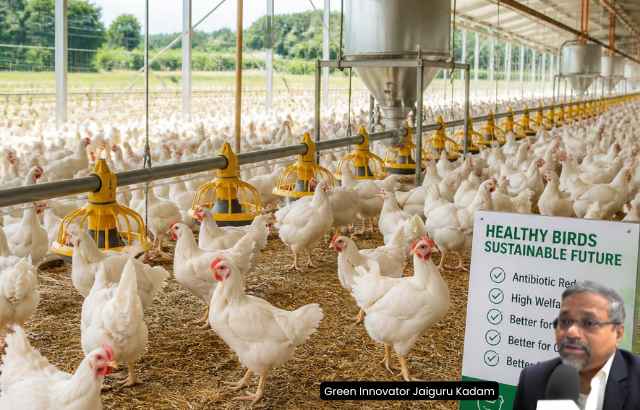
Jaiguru assisted a large-scale poultry farm that had been heavily dependent on antibiotics for disease prevention. By introducing probiotics into the farm’s feed regimen, the farm experienced:
- A 50% reduction in antibiotic use within the first six months
- Fewer cases of gastrointestinal diseases and infections
- Improved overall flock health, with birds growing faster and more robust
- Cost savings of $12,000 annually, which was reinvested into farm infrastructure and welfare programs
Example 2: Transition to an Organic, Antibiotic-Free Poultry Farm
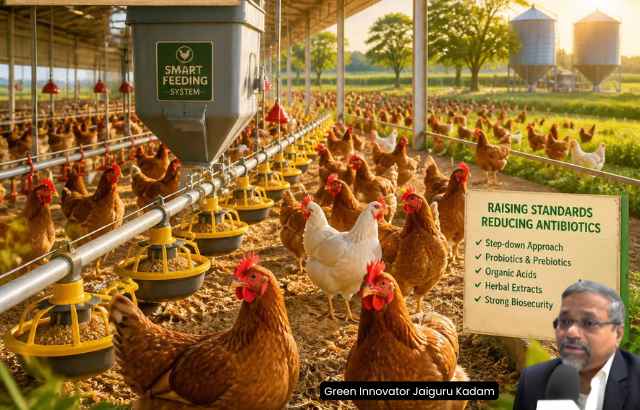
Another example involved a smaller, organic poultry farm that wanted to transition to an antibiotic-free system. By replacing antibiotics with a blend of probiotics (including Lactobacillus, Bifidobacterium, and Saccharomyces cerevisiae), the farm saw:
- Increased immunity and healthier birds
- Boosted consumer confidence, leading to higher sales of organic eggs and meat
- No need for antibiotics, which enhanced the farm’s organic certification
The result was a more profitable, sustainable farming model that attracted consumers interested in antibiotic-free products.
Conclusion: A Green Future for Poultry Farming

The use of probiotics as a natural alternative to antibiotics represents a green innovation that can revolutionize the poultry industry. By reducing the reliance on antibiotics, probiotics not only help combat antimicrobial resistance but also support sustainable farming practices, enhance animal welfare, and improve product quality.
With Jaiguru Kadam’s insights and real-world examples, it’s clear that probiotics are a powerful tool for farmers looking to embrace a healthier, more sustainable approach to poultry farming. By making the switch to probiotics, poultry producers can reduce costs, increase consumer confidence, and, most importantly, contribute to a more sustainable future for agriculture.
Ready to take the leap into antibiotic-free poultry farming? Probiotics could be the solution you’ve been looking for!