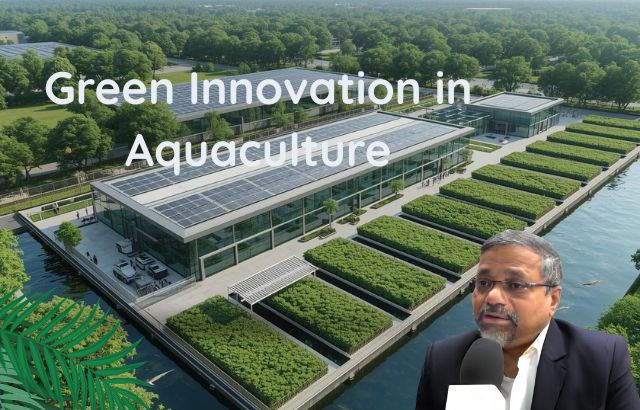
Aquaculture globally faces a critical challenge: parasites. From external parasites like lice and leeches to internal protozoans, flukes and worms, parasitic infestations threaten fish and shrimp health — reducing growth, increasing mortality, and degrading product quality. Historically, chemical treatments (synthetic antiparasitics, heavy-metal compounds, oxidizing agents) have been widely used, but they bring serious downsides: environmental contamination, non-target toxicity (to other aquatic life), drug resistance, and residual toxicity in harvested seafood.
Green innovation aims to transform this: by leaning on natural, biological, and technological methods, aquaculture can manage parasites in a way that’s sustainable for both farmed species and the surrounding ecosystem.
At the forefront of this movement is Jaiguru Kadam — an internationally experienced aquaculture subject-matter specialist, combining scientific rigour with passion for sustainability.
Meet Jaiguru Kadam — A Pioneer of Eco-Friendly Parasite Management
Jaiguru Kadam has devoted his career to reducing chemical dependence in aquaculture. Through research, field trials, and active outreach, he has developed a suite of eco-friendly parasite-control methods — from natural plant/herbal remedies to biologically based treatments, probiotics, and system-level farming practices that minimize disease risk.
Some of his notable contributions:
- Natural-product blends: Kadam’s team formulated herbal extracts (e.g., garlic, neem) combined with beneficial microbes, demonstrating significant reductions in parasite burden.
- Promotion of closed-loop, low-impact farming systems: Encouraging practices that recycle water, minimize waste, and rely on biological resilience rather than chemical intervention.
- Education & advocacy: Through workshops and outreach, Kadam helps fish farmers understand why and how to adopt sustainable parasite management — shifting industry norms toward green aquaculture.
Through his leadership, aquaculture moves beyond short-term “crisis treatment” toward long-term ecosystem stewardship.
Natural & Biological Methods for Parasite Control
Here are some of the core eco-friendly strategies — many that Kadam advocates or draws upon — for both marine and freshwater aquaculture:
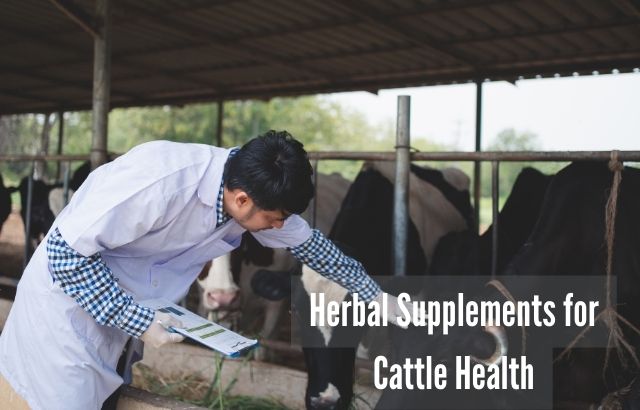
• Herbal extracts & essential oils
- Garlic extract has been shown to reduce internal parasites (e.g., monogenes) — in some experiments, infestations dropped by 70–80% in a couple of weeks, without harm to the fish.
- Neem oil (from Azadirachta indica) — compounds like azadirachtin can interfere with parasite reproductive cycles, reducing infestation levels with minimal side-effects. (
- Other oils — clove oil, oregano oil — have shown promise in disrupting parasite metabolism, reducing loads while supporting fish growth.
These methods are particularly appealing because they are biodegradable, leave no persistent toxins, and can often be used without specialized equipment.
• Probiotics and Immunostimulants
- Use of beneficial microbes (probiotics) helps maintain a healthy gut microbiome in fish, boosting immune responses and making it harder for internal parasites to colonize. Kadam’s work reportedly shows reductions in certain parasite infestations by 50–60% over a 4-week period.
- More broadly, immunostimulants — for instance β-glucans derived from yeast, fungi or algae — are emerging as environmentally friendly tools. They activate innate immune defenses, lowering vulnerability to protozoa, helminths, and other pathogens.
This strategy aligns with preventive aquaculture: rather than waiting for diseases to strike, fish are kept healthy and resilient.
• Biological Control — Cleaner Fish, Shrimp & Predators
One of the most promising eco-friendly methods is using biocontrol agents — species that naturally feed on parasites, integrated into aquaculture systems.
- Cleaner shrimp: Recent research demonstrated that certain cleaner-shrimp species can reduce parasite loads (on marine fish) by up to 98% — including not only parasites attached to fish, but also free-living life stages (eggs, larvae) in the environment, which cleaner fish often don’t address.
- Cleaner fish (wrasses, gobies) — long used in salmonid mariculture to control sea lice — remain a cornerstone of non-chemical parasite management.
For freshwater systems (ponds, tanks), certain community fish or invertebrates — e.g. algae eaters, detritivores — can help keep environmental parasite stages suppressed, though this approach requires careful ecosystem design.
Emerging Technologies & Modern Approaches
Eco-friendly parasite control isn’t just about returning to traditional or “old-school” remedies. Modern science and technology are adding powerful tools:
- Nanotechnology: For example — a 2025 study reported that green-synthesized iron oxide nanoparticles (IONPs) applied as a bath treatment completely removed the ectoparasite Argulus siamensis from freshwater carp species within four days, with a therapeutic index indicating moderate safety for the host fish.
- Immunostimulant supplements: As noted above, substances like β-glucans from algae or yeast are being refined — offering safer, non-specific immune boosting for fish across different life stages.
- Integrated management / eco-systems design: Combining water-quality management, probiotics, biocontrol species, and low-impact feeding regimes to create resilient, self-regulating systems that inherently suppress parasite outbreaks. This approach reduces chemical reliance over the long term.
As research deepens, these modern methods could redefine what “disease management” means in aquaculture — from reactive cure to proactive ecosystem health.
Why Kadam’s Work Matters — And What the Future Looks Like
By championing green, biologically driven parasite control, Kadam isn’t just solving a fish-health problem — he’s reshaping aquaculture’s relationship with the environment. This has profound implications:
- Reduced environmental footprint: Less chemical discharge, fewer toxins entering surrounding waterways, lower risk of non-target organism harm.
- Sustained fish health & product safety: Less likelihood of drug residues, antibiotic resistance, or compromised fish quality — assuring consumers of healthier, safer seafood.
- Economic sustainability for farmers: Eco-friendly solutions (herbal extracts, probiotics, cleaner-species) can often be more cost-effective long-term than repeated chemical treatments — reducing input costs and improving yield stability.
- Resilience against emerging threats: As parasites evolve resistance and climate change alters aquatic ecosystems, integrated, adaptable biological and technological strategies offer a way to stay ahead.
Looking ahead, I foresee these trends gaining strength: wider adoption of nanotech-based treatments (with careful environmental risk assessment), growth of probiotic and immunostimulant supplementation, and design of polyculture and mixed-species farms that mimic natural ecosystems.
Kadam’s role — as researcher, innovator, and educator — will be crucial in bridging scientific advances with on-ground aquaculture practices, especially in regions like India where sustainable intensification is urgently needed.
FAQs

Q: Can herbal extracts like garlic or neem really replace chemical drugs entirely?
A: While they hold strong promise — e.g. garlic reducing parasite loads by 70–80% in trials — they may not fully replace drugs in severe infestations. Rather, they are best used as part of an integrated management plan (prevention, regular monitoring, probiotics, good husbandry) to reduce reliance on harsh chemicals.
Q: Are nanotechnology-based treatments (like iron nanoparticles) safe for fish and the environment?
A: Early studies show high efficacy — for instance, 100% removal of Argulus siamensis at certain concentrations, with a reasonable therapeutic index in carp. However, long-term ecological and toxicity assessments are necessary before wide-scale adoption.
Q: What is a “cleaner shrimp” or “cleaner fish,” and how practical is co-culture?
A: Cleaner species naturally feed on parasites or their larval stages. For example, certain cleaner shrimps reduced parasite loads by up to 98% in marine grouper trials. Co-culture is practical, but requires thoughtful planning — ensuring compatibility of species, providing shelter/hideouts, and monitoring densities.
Q: How can small-scale fish farmers (e.g. in India) begin to adopt green methods?
A: Begin with easy-to-implement steps: use herbal antiparasitic baths or feed additives (e.g. garlic extract, neem), maintain water quality, add probiotics, and — where feasible — integrate biological cleaners (shrimp, compatible fish). Gradually, shift toward more holistic practices (closed-loop systems, regular monitoring, ecological balance).
Simple Calculation — Illustrating Economic & Environmental Benefit
Imagine a small freshwater pond farm rearing 10,000 fish. Suppose conventional chemical treatment costs ₹8 per fish per cycle (chemicals, labour, downtime), and is needed 3 times per year → total annual cost = ₹240,000.
With a green-method alternative (herbal bath + probiotics + preventive husbandry), assume cost drops to ₹2 per fish, and only 2 treatments needed per year → total annual cost = ₹40,000.
Annual Savings: ₹200,000 (≈ 83% reduction in treatment cost).
Additionally, reduced chemical discharge lowers environmental impact — fewer heavy metals/chemical residues entering effluent water, safer for local ecosystem and human communities relying on water downstream. Over several years, savings and environmental goodwill compound, making green aquaculture not just ethically sound — but also economically smart.
Conclusion
The aquaculture industry stands at a crossroads. Continued reliance on chemical antiparasitics may solve short-term problems — but at increasing ecological and economic cost. Green innovation, blending natural products, biocontrol species, probiotics, and modern biotechnologies, offers a sustainable path forward.
With experts like Jaiguru Kadam leading the charge, this isn’t a utopian dream — it’s a practical, achievable transformation. Through careful research, outreach, and adoption of integrated management practices, aquaculture can not only protect fish health, but also heal aquatic ecosystems — supporting long-term food security, environmental sustainability, and economic viability.
If you like, I can project how a medium-scale aquaculture farm in India might transition over 5 years to fully eco-friendly parasite control — with timelines, costs, and expected yields.
Would you like me to build that projection now?
Here is a clean, professional disclaimer you can add to your blog post:
Disclaimer
The information provided in this blog post is intended for general educational and informational purposes only. While every effort has been made to ensure accuracy, aquaculture practices, parasite-control methods, and environmental management strategies may vary based on species, location, environmental conditions, and farm-specific factors. Readers should consult qualified aquaculture professionals or local authorities before implementing any treatments or management strategies discussed here.
Mention of individuals, products, technologies, or research findings does not constitute endorsement. The views expressed about green innovation and sustainable aquaculture reflect general insights and may not represent the full scope of current scientific or regulatory developments.
The author is not responsible for any losses, damages, or adverse outcomes resulting from the application of information contained in this article. Always conduct proper trials, risk assessments, and professional consultations before adopting new aquaculture practices.