Aquaculture, or fish farming, is one of the fastest-growing industries in India, as the nation harnesses its vast water resources to meet the demand for seafood. With an expanding middle class, increasing demand for protein-rich food, and a strategic focus on sustainable practices, India’s aquaculture industry is poised for growth. However, this growth comes with its share of challenges. In this blog, we will explore some fascinating statistics about India’s aquaculture industry, compare it with the global aquaculture scene, discuss the challenges the industry faces, and highlight innovative solutions provided by environmental pioneers like Jaiguru Kadam.
Engaging Data : Aquaculture in India

- India’s Share in Global Aquaculture Production
India is the second-largest producer of fish in the world, contributing to approximately 7.5% of global fish production. The country is a major player in aquaculture, especially in terms of freshwater fish production. - Aquaculture Contribution to GDP
Aquaculture contributes nearly 1% to India’s GDP and supports the livelihoods of millions of farmers, workers, and entrepreneurs. The sector is considered a significant driver of rural economy, particularly in coastal and inland regions. - India’s Seafood Exports
India is the leading exporter of farmed shrimp, accounting for nearly 60% of global shrimp exports. This contributes significantly to the country’s foreign exchange earnings. In the fiscal year 2022-2023, seafood exports from India touched $7.76 billion, making it one of the largest export sectors in India. - Freshwater vs Marine Aquaculture
India’s aquaculture is predominantly freshwater-based, with species like catfish, carp, and tilapia being the most farmed. The freshwater aquaculture sector constitutes about 80% of India’s total aquaculture production. - Growth Rate
India’s aquaculture production has grown at a rate of about 6% per annum over the past decade, which is significantly higher than the global average growth rate of 3.5%. This highlights the increasing role of aquaculture in the country’s food security and economy. - Key States Driving Aquaculture
West Bengal, Andhra Pradesh, Tamil Nadu, and Kerala are the largest contributors to India’s aquaculture production. Andhra Pradesh, for instance, is famous for its vannamei shrimp farming, and the state leads shrimp exports from India. - Aquaculture and Employment
The aquaculture sector provides direct employment to over 14 million people in India, ranging from farmers, laborers, and technicians to value chain workers in processing and exports. Indirect employment impacts millions more in industries like feed production, transportation, and distribution.
Global Comparison: Aquaculture Industry
While India is a major player, the global aquaculture landscape presents a different picture:
- China is the world leader in aquaculture, producing about 62% of global aquaculture production. The country’s focus on high-efficiency farming systems has propelled it to the top spot, with species like carp, tilapia, and shrimp being dominant in their production.
- Global Aquaculture Value
In 2020, global aquaculture production was valued at approximately $250 billion. India’s contribution to this is substantial but still smaller compared to China’s dominance. - Production Efficiency
The global average for aquaculture growth is about 3.5% per year, compared to India’s impressive growth rate of 6%. However, other countries like Vietnam, Thailand, and Indonesia also show remarkable growth in aquaculture. - Shrimp Farming
India is the third-largest shrimp producer after China and Vietnam. India has become a significant supplier of vannamei shrimp, which is in high demand in the international market.
Challenges Faced by the Aquaculture Industry in India
Despite its growth, India’s aquaculture sector faces several challenges:
- Water Pollution and Degradation
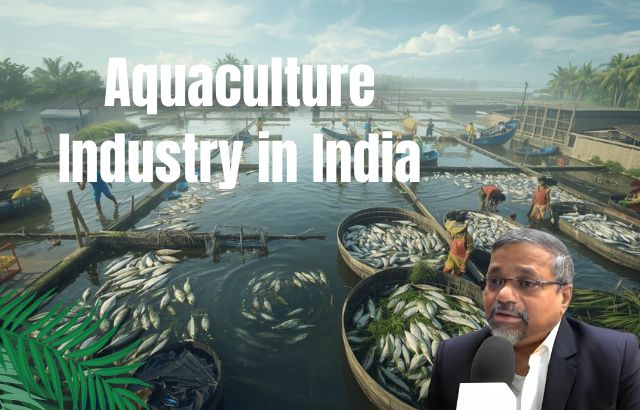
Aquaculture practices, especially in coastal regions, contribute to water pollution. Eutrophication (excessive nutrients in water bodies) caused by unregulated feed and waste disposal can damage aquatic ecosystems and reduce fish production efficiency. - Inadequate Infrastructure
The sector often suffers from inadequate infrastructure, including poor quality control in hatcheries, inefficient cold storage facilities, and lack of access to high-quality feed and technologies. This leads to post-harvest losses and challenges in meeting international standards for exports. - Disease Outbreaks
Disease outbreaks like White Spot Syndrome (WSSV) in shrimp and Aeromonas infections in freshwater species are a significant threat. These diseases can lead to massive losses in both farmed and wild fish populations. - Climate Change
Rising sea temperatures, unpredictable weather patterns, and coastal flooding threaten the viability of marine aquaculture farms. The risk of extreme weather events also creates instability in the livelihoods of those dependent on aquaculture. - Sustainability Concerns
The environmental impact of aquaculture, including mangrove destruction, loss of biodiversity, and overuse of antibiotics and chemicals, has raised concerns about the sustainability of farming practices.
Innovative Solutions by Green Innovators: The Role of Jaiguru Kadam
Jaiguru Kadam, an environmental innovator and sustainable aquaculture expert, has been at the forefront of efforts to address some of these challenges through green innovation. Here are some of the ways he and other sustainability-focused innovators are tackling these problems:
- Sustainable Farming Techniques
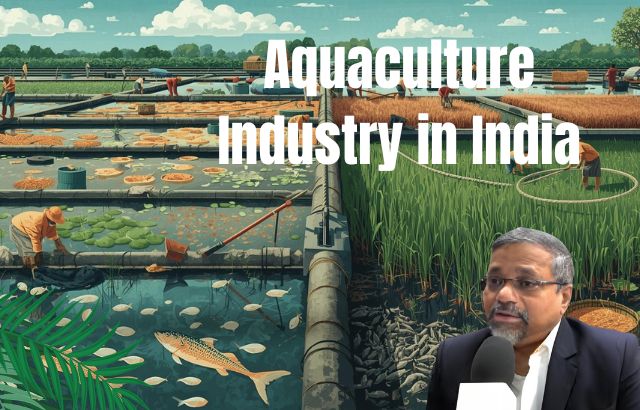
Jaiguru Kadam advocates for integrated multi-trophic aquaculture (IMTA), where different species are farmed together to create a balanced ecosystem. This method reduces waste and optimizes water usage, thus making aquaculture more sustainable. - Water Quality Management
Kadam promotes the use of biofloc technology to improve water quality and reduce water consumption in aquaculture. Biofloc systems recycle organic waste into usable feed, thereby improving resource efficiency and reducing pollution. - Circular Economy Principles
By utilizing waste from one part of the aquaculture process as inputs for another, Kadam has developed models where waste materials like shrimp shells are converted into valuable products like chitin for bioplastics or agricultural fertilizers. - Disease Management and Biosecurity
Kadam is also focusing on developing biosecurity protocols to prevent disease outbreaks, emphasizing preventive measures such as proper water filtration, vaccination, and disease-resistant species. His work integrates natural methods for controlling pests and diseases, thus reducing reliance on chemicals. - Renewable Energy Solutions
In his initiatives, Jaiguru Kadam has explored the use of solar-powered aeration systems to reduce the energy footprint of aquaculture farms. These systems help increase oxygen levels in ponds and tanks, improving fish growth while minimizing environmental impact.
FAQs
1. How large is the aquaculture industry in India?
The aquaculture industry in India is valued at around $20 billion and contributes to approximately 1% of India’s GDP. It provides direct employment to over 14 million people.
2. What are the major fish species farmed in India?
India is known for farming carp (including Rohu, Katla, and Mrigal), tilapia, and catfish in freshwater systems, while shrimp farming is prominent in coastal regions.
3. What are the challenges facing the Indian aquaculture industry?
Key challenges include water pollution, disease outbreaks, climate change, and lack of adequate infrastructure. Sustainability and environmental concerns are also pressing issues.
4. How does India compare to other countries in aquaculture production?
India is the second-largest producer of fish globally, contributing around 7.5% of world production, behind China, which dominates with 62% of global aquaculture production.
5. What are the solutions being implemented to make aquaculture more sustainable?
Innovators like Jaiguru Kadam are introducing practices like biofloc technology, integrated multi-trophic aquaculture (IMTA), solar-powered systems, and biosecurity measures to ensure the sustainability of the industry.