Green innovation is reshaping industries across agriculture, chemicals, animal nutrition, personal care, and aquaculture. At the center of this transformation is Jaiguru Kadam, a Subject Matter Specialist known for integrating green chemistry, sustainable agriculture, and environmentally responsible product development across international markets.
In this exclusive interview-style feature, Jaiguru shares insights from his global experience, technical leadership, and measurable sustainability contributions.
Interview with Jaiguru Kadam
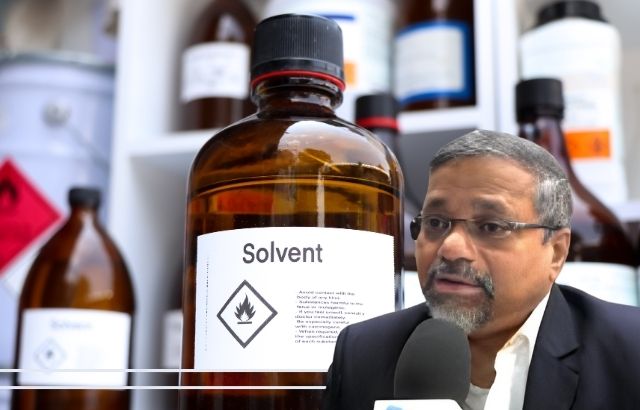
Q1: Jaiguru, how do you define Green Innovation?
Jaiguru Kadam:
Green innovation is about redesigning systems—products, formulations, and processes—to minimize environmental impact while maximizing performance. It’s not just replacing chemicals; it’s creating smarter, safer, and more efficient solutions.
For me, it spans plant-derived herbicides, green solvents, eco-friendly surfactants, sustainable feed supplements, and biodegradable cosmetic ingredients. The goal is always the same: performance with responsibility.
Q2: You’ve worked internationally. How has global exposure influenced your approach?
Jaiguru Kadam:
International experience teaches adaptability. Regulatory frameworks in Europe differ from Asia. Sustainability standards in North America differ from emerging markets.
Working across regions has helped me:
- Align products with global compliance standards
- Adapt formulations to climatic and soil conditions
- Optimize supply chains for sustainability
- Implement ESG-aligned reporting frameworks
For example, in regions with strict VOC emission regulations, I developed green solvent systems reducing emissions by up to 40%, ensuring compliance without sacrificing industrial efficiency.
Q3: Can you share an example of measurable impact from your agricultural innovations?
Jaiguru Kadam:
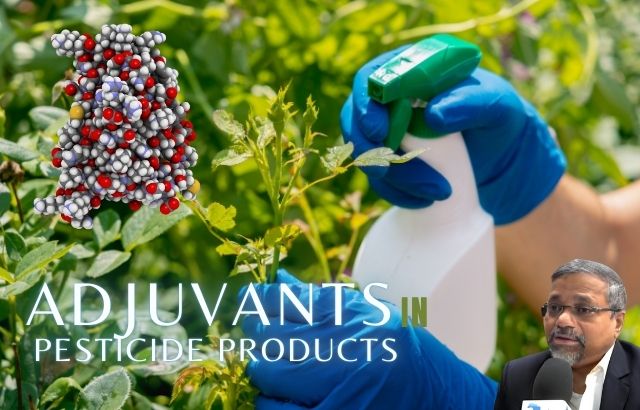
Certainly. In one agricultural program, we replaced conventional herbicides with plant-derived bioherbicides combined with green surfactants.
If conventional herbicide usage was 2.5 liters per hectare and our solution reduced usage by 30%:
Reduction per hectare:
2.5 × 30% = 0.75 liters saved
Across 12,000 hectares:
0.75 × 12,000 = 9,000 liters chemical reduction annually
This significantly lowered chemical runoff into nearby water systems.
Additionally, improved surfactant efficiency increased pesticide absorption by approximately 20%, reducing repeat spray cycles.
Q4: What role do Green Solvents play in sustainable development?
Jaiguru Kadam:
Traditional solvents contribute to carbon emissions and worker exposure risks. We introduced biodegradable, renewable-source solvents.
Let’s consider an industrial unit using 60,000 kg of solvent annually.
If conventional solvent emits 1.8 kg CO₂ per kg:
60,000 × 1.8 = 108,000 kg CO₂
With a 40% emission reduction:
108,000 × 40% = 43,200 kg CO₂ saved annually
= 43.2 metric tons of CO₂ reduction
This not only reduces environmental impact but improves ESG reporting metrics.
Q5: How does your work extend beyond agriculture and chemicals?
Jaiguru Kadam:
Sustainability must be cross-industry.
Animal Feed Supplements
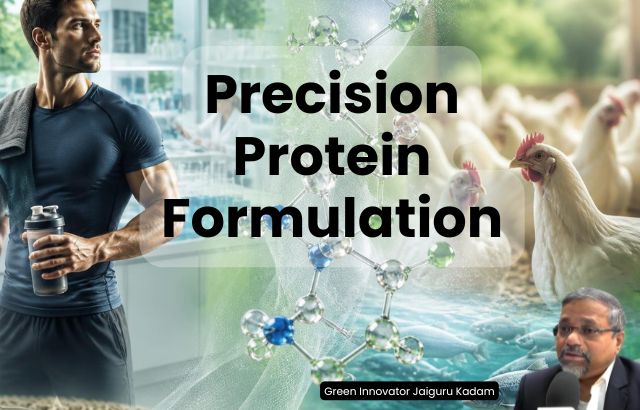
We developed plant-based feed additives that improved Feed Conversion Ratio (FCR).
If baseline FCR = 2.0
Improved FCR = 1.8
For 2,000 tons of livestock production:
(2.0 − 1.8) × 2,000 = 400 tons feed saved
This reduces agricultural resource demand and methane intensity per unit of output.
Q6: What about innovations in cosmetics and personal care?
Jaiguru Kadam:
The clean beauty movement demands biodegradable, sulfate-free, plant-based ingredients.
I’ve worked on:
- Bio-based emulsifiers
- Green surfactants
- Herbal actives
- Natural preservative systems
These formulations reduce petrochemical dependence and improve aquatic biodegradability while meeting international cosmetic regulations.
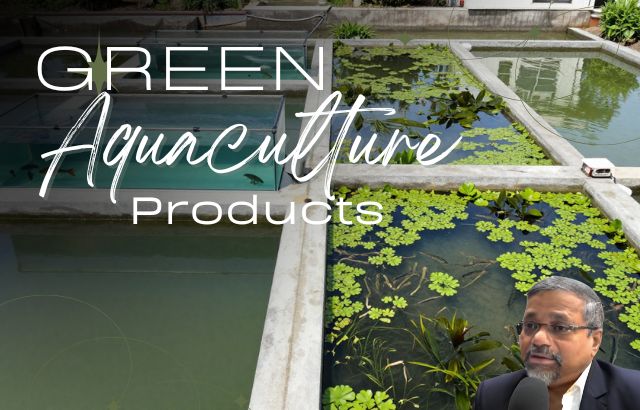
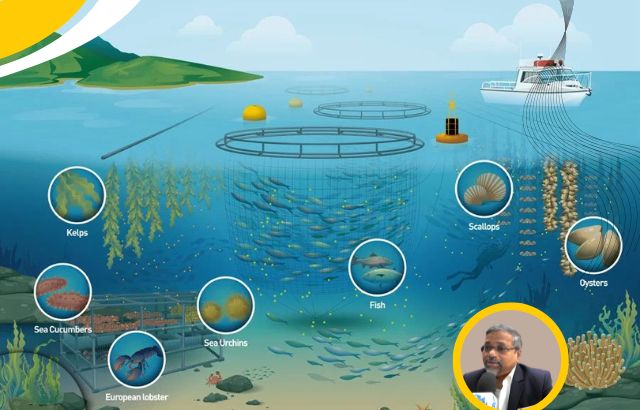
Q7: How are you contributing to sustainable aquaculture?
Jaiguru Kadam:
In aquaculture, efficiency and water quality are critical.
We introduced plant-based antimicrobial additives and sustainable feed supplements that reduced mortality rates.
For a 150,000-fish farm:
If mortality decreases from 12% to 8%:
150,000 × 4% = 6,000 additional fish survival
This increases productivity without increasing environmental load.
Q8: What are your core responsibilities as a Subject Matter Specialist in Green Innovation?
Jaiguru Kadam:
My role involves:
- Research and development of eco-friendly formulations
- Sustainability impact modeling
- International regulatory alignment
- Carbon and resource reduction calculations
- Technical advisory for global stakeholders
- ESG documentation and sustainability reporting
I ensure that innovation is measurable—not theoretical.
The Broader Role in Sustainable Development
Jaiguru Kadam’s work aligns with global sustainability goals by:
- Reducing carbon emissions
- Lowering chemical toxicity
- Improving resource efficiency
- Supporting circular economy practices
- Enhancing food and feed sustainability
- Strengthening ESG compliance frameworks
His integrated approach demonstrates that green innovation can deliver environmental protection alongside economic value.
Frequently Asked Questions (FAQs)

1. What industries benefit most from green innovation?
Agriculture, chemicals, cosmetics, animal nutrition, aquaculture, and manufacturing all benefit significantly from sustainable reformulation and efficiency improvements.
2. How is carbon reduction calculated in green projects?
Carbon reduction is typically calculated as:
Energy or material reduction × emission factor
Example:
60,000 kg solvent × 1.8 kg CO₂/kg × 40% reduction = 43,200 kg CO₂ saved.
3. Are plant-derived herbicides as effective as synthetic ones?
Yes. When combined with advanced surfactant systems, they provide comparable weed control while reducing environmental toxicity.
4. How do feed supplements improve sustainability?
By improving feed conversion efficiency, reducing methane emissions, and lowering total feed consumption.
5. Why is international experience important in green innovation?
Because environmental regulations, climate conditions, and industry standards vary globally. International exposure enables scalable, compliant, and adaptable solutions.
6. How does green innovation support ESG goals?
It improves environmental metrics, reduces compliance risk, enhances supply chain sustainability, and strengthens investor confidence.
Final Thoughts
Green innovation is not a single solution—it is a systems transformation. Through international expertise, scientific rigor, and measurable outcomes, Jaiguru Kadam exemplifies how a Subject Matter Specialist can drive sustainable development across multiple industries.
His work proves that environmental responsibility and business performance are not opposing forces—they are strategic partners in building a resilient, sustainable future.