Introduction
Agriculture startups are increasingly becoming key drivers in addressing global challenges such as food security, climate resilience, and efficient resource utilization. A major force behind this transformation is Green Innovation—the development of technologies and processes that boost productivity while minimizing environmental impact.
This blog analyzes global Green Innovation approaches in agriculture startups, with an SME-style systems perspective inspired by agritech efficiency thinking, sustainability metrics, and operational optimization.
We will explore:
- Major global innovation models
- Mechanisms for improving efficiency
- Key sustainability metrics and calculations
- Real-world inspired examples
- Practical startup frameworks
- FAQs on core technical concepts
1. Core Green Innovation Models in Agriculture Startups
1.1 Precision Agriculture Model
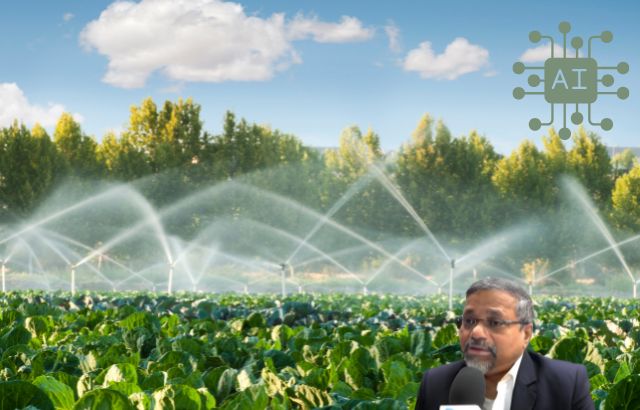
This model leverages IoT sensors, satellite imagery, and AI to optimize farm inputs.
Core principle:
Use the right input, at the right time, in the right quantity.
Typical outcomes:
- Fertilizer reduction: 20–40%
- Water savings: 30–60%
- Yield improvement: 10–25%
Example calculation:
A farm uses 1000 kg of fertilizer annually.
If usage is reduced by 30%:
Savings = 1000 × 0.30 = 300 kg saved
At $0.80 per kg:
Total savings = 300 × 0.80 = $240 per year
1.2 Circular Agriculture Model
This model focuses on closing resource loops by converting waste into value.
Examples:
- Crop residues → biofertilizer
- Livestock waste → biogas
- Food waste → compost or insect-based feed
Efficiency gains:
- Waste reduction: 50–90%
- Energy offset: 10–35% of farm energy demand
1.3 Regenerative Agriculture Model
Focused on restoring soil health and increasing carbon sequestration capacity.
Common practices:
- No-till farming
- Cover cropping
- Rotational grazing
Climate impact:
Restored land can sequester 2–5 tons of CO₂ per hectare per year.
If carbon credits are priced at $25/ton:
- Low estimate revenue = 2 × 25 = $50/ha/year
1.4 Data-Driven Smart Farming Platforms
These platforms integrate farm data and deliver predictive insights.
Capabilities:
- Yield forecasting
- Pest and disease prediction
- Weather-based irrigation scheduling
Efficiency improvements:
- Loss reduction: 15–30%
- Input optimization: 10–25%
2. Global Green Innovation Strategies in Practice

2.1 Netherlands: High-Tech Greenhouses
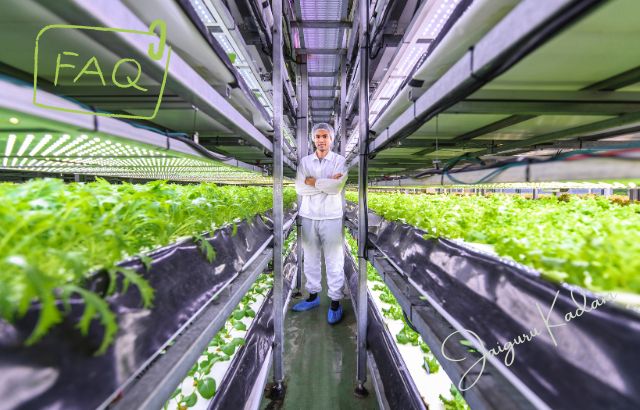
- Controlled Environment Agriculture (CEA)
- LED spectrum optimization
- Hydroponic cultivation
Impact:
- Up to 10× higher yield per square meter
- Around 90% less water usage
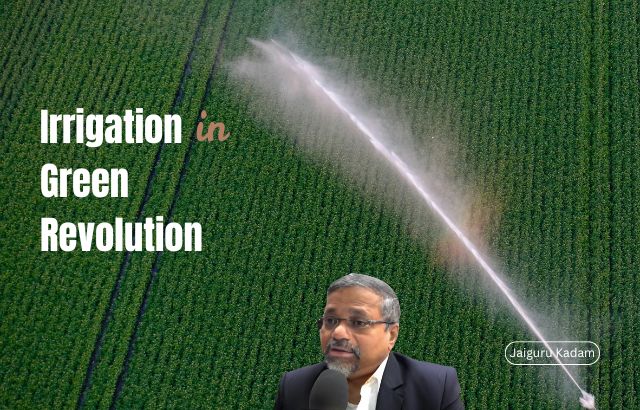
2.2 Israel: Drip Irrigation Systems
Highly efficient water delivery directly to plant roots.
If conventional irrigation uses 10,000 liters/ha/day:
Drip irrigation reduces usage by 60%:
New usage = 4,000 liters/ha/day
Water saved = 6,000 liters/ha/day
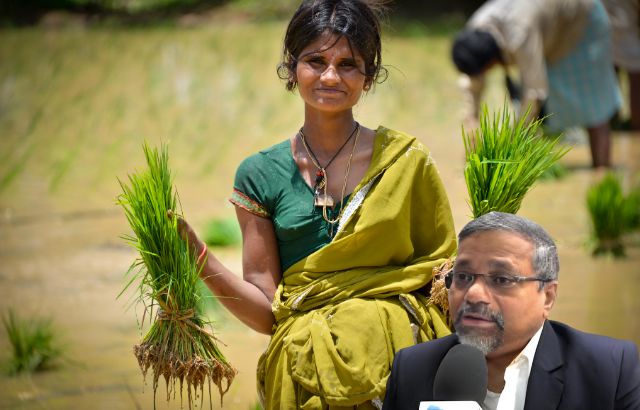
2.3 India: AI + Smallholder Integration
- Mobile advisory systems
- Soil testing applications
- Subsidized micro-irrigation systems
Outcomes:
- Yield increase: 15–20%
- Input cost reduction: 10–15%
2.4 United States: Agri-Robotics & Drones
- Autonomous harvesting systems
- Drone-based crop monitoring
Efficiency gains:
- Labor cost reduction: up to 40%
- Monitoring speed: 5–10× faster than manual methods
3. Efficiency Improvement Framework for Agriculture Startups
A systems-based approach to optimizing agricultural operations:
Step 1: Input Optimization
Focus on:
- Water
- Fertilizer
- Seeds
- Labor
Step 2: Process Digitization
Implement:
- Sensors and IoT devices
- AI-based decision systems
- Automation tools
Step 3: Output Maximization
Measure:
- Yield per hectare
- Product quality
- Supply chain speed
Efficiency Score Formula
[
Efficiency\ Score = \frac{Yield \times Quality\ Index}{Resource\ Input\ Cost}
]
Example:
- Yield = 5 tons
- Quality Index = 0.9
- Input cost = $2000
Score = (5 × 0.9) / 2000 = 0.00225
If yield increases to 6 tons:
Score = (6 × 0.9) / 2000 = 0.0027
➡️ This represents a 20% improvement in efficiency
4. Sustainability Metrics for Agriculture Startups

4.1 Water Use Efficiency (WUE)
[
WUE = \frac{Crop\ Yield}{Water\ Used}
]
Example:
- Yield = 4 tons
- Water = 2000 m³
WUE = 0.002 tons/m³
Target improvement: 25–50% increase
4.2 Carbon Intensity
[
Carbon\ Intensity = \frac{CO₂\ Emissions}{Yield}
]
Example:
- Emissions = 1000 kg CO₂
- Yield = 5 tons
= 200 kg CO₂ per ton
Sustainability target: <150 kg CO₂/ton
4.3 Input Efficiency Ratio (IER)
[
IER = \frac{Output\ Value}{Input\ Cost}
]
Example:
- Output value = $10,000
- Input cost = $6,000
IER = 1.67
Green startup benchmark: >2.0
5. Startup Strategy Playbook for Green Innovation
5.1 Start with a Minimum Viable Farm
- Pilot on 1–5 hectares
- Collect baseline soil, water, and yield data
5.2 Digitize Early
- Deploy sensors before scaling
- Build datasets for AI training
5.3 Monetize Sustainability
Revenue opportunities:
- Carbon credits
- Premium organic pricing
- Water-saving incentives
5.4 Think in Systems
Progression:
Product → Platform → Ecosystem
6. Key Challenges for Agriculture Startups
- High upfront technology costs
- Fragmented land ownership structures
- Inconsistent field data
- Climate variability and uncertainty
- Farmer adoption and behavioral barriers
7. Future Trends in Green Agriculture Innovation
- Fully autonomous AI-powered farms
- Soil microbiome engineering
- Expansion of vertical farming systems
- Blockchain-based food traceability
- Carbon-negative agricultural systems
FAQ
Q1. What is Green Innovation in agriculture?
It refers to technologies and practices that increase agricultural productivity while reducing environmental impact such as water usage, emissions, and chemical inputs.
Q2. What is the most important performance metric?
The key metric is output per unit of resource input, especially water and fertilizer efficiency.
Q3. How is sustainability measured in agriculture startups?
Common indicators include:
- Carbon intensity (CO₂ per ton of yield)
- Water use efficiency
- Input efficiency ratio
Q4. What is precision agriculture?
A modern farming approach that uses sensors, GPS, and AI to optimize inputs based on real-time field data.
Q5. Can small farmers benefit from Green Innovation?
Yes. Even low-cost tools like mobile advisory systems and drip irrigation can improve yields by 10–30%.
Conclusion
Green Innovation is no longer optional in agriculture—it is a strategic necessity. Startups that combine data-driven decision-making, sustainability metrics, and scalable systems thinking will shape the future of food production.
Ultimately, the most successful agricultural enterprises will not just increase yield—they will build resilient, efficient, and climate-smart ecosystems.