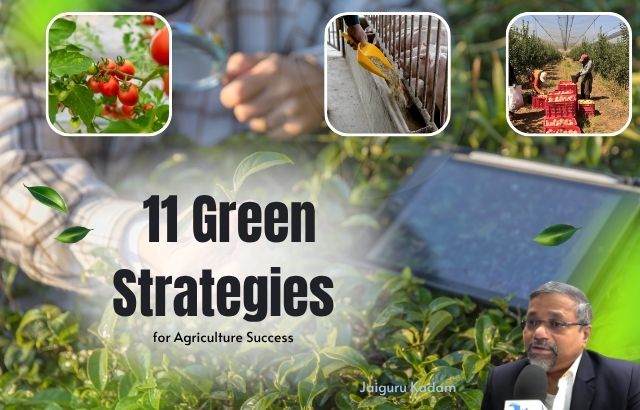
Introduction: From Soil to Sustainability
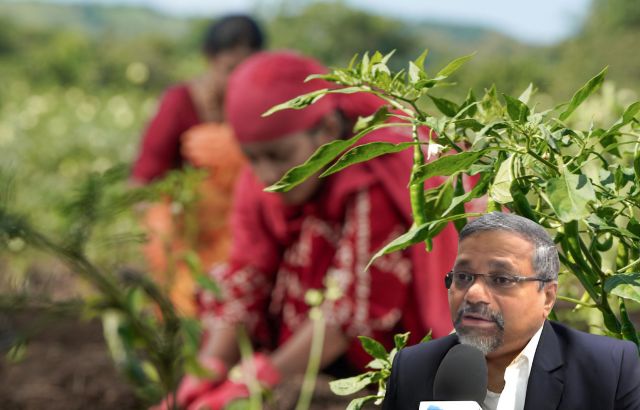
At sunrise in a quiet rural village, a farmer once walked across dry, cracked land, uncertain of the season ahead. Rainfall had become unpredictable, soil health was declining, and traditional methods were no longer enough.
But change was already taking root.
A few years later, that same land tells a different story—solar-powered irrigation systems hum quietly, drones scan crop health from above, and data guides every farming decision. What changed wasn’t just technology—it was mindset.
Guided by global sustainability practices and the expertise of Jaiguru Kadam, a Subject Matter Specialist with broad international experience, agriculture is being reimagined. Today, nearly 40% of the world’s land is used for agriculture, yet it contributes to over 20% of global greenhouse gas emissions. At the same time, climate-smart agriculture has shown the potential to increase crop yields by up to 30% while reducing emissions.
The future of farming lies in green innovation—where productivity and sustainability go hand in hand.
What is Green Innovation in Agriculture?
Green innovation in agriculture involves adopting sustainable farming techniques, renewable energy, and smart technologies to improve productivity while reducing environmental impact. It focuses on preserving soil, conserving water, and minimizing carbon footprints.
Why It Matters (Backed by Data)
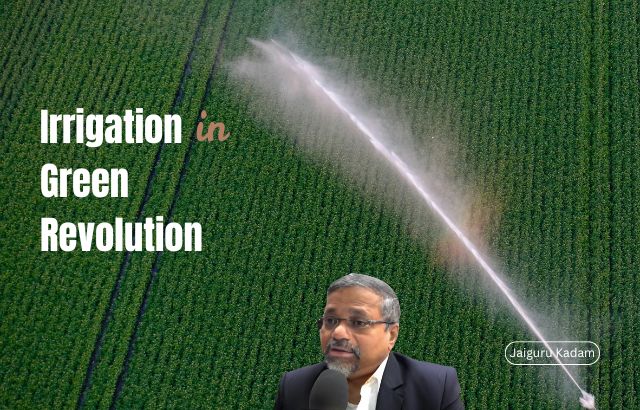
- Agriculture accounts for ~70% of global freshwater usage, making efficient irrigation critical
- Sustainable farming practices can reduce water use by 20–50%
- Precision agriculture technologies can increase farm productivity by 10–25%
- The global agri-tech market is expected to grow rapidly, driven by AI, IoT, and climate-smart solutions
Green innovation is not just about protecting nature—it is about ensuring food security and long-term profitability.
11 Powerful Ways to Lead Green Innovation in Agriculture
1. Define Your Sustainability Values
Align farming practices with long-term environmental goals like soil health, biodiversity, and water conservation.
Example: Transition from chemical-heavy farming to organic or regenerative practices.
2. Set Measurable Farm Goals
Use data to set clear targets such as reducing water usage or increasing yield sustainably.
Example: Aim to cut irrigation water use by 30% using drip systems.
3. Learn from Environmental Challenges
Droughts, floods, and soil degradation can inspire smarter solutions.
Example: Adopt drought-resistant crops or climate-resilient seeds.
4. Build a Sustainability Mindset
Shift from short-term yield focus to long-term land health and productivity.
Example: Practice crop rotation and avoid overexploitation of soil.
5. Visualize the Future Farm
Imagine a farm powered by clean energy and guided by data.
Example: Smart farms using sensors, drones, and AI for precision agriculture.
6. Collaborate with Agri Innovators
Work with experts, cooperatives, and agri-tech startups to adopt best practices.
Example: Join farmer networks promoting sustainable agriculture.
7. Invest in Continuous Learning
Stay updated with new farming technologies and global sustainability trends.
Example: Learn about vertical farming, hydroponics, or regenerative agriculture.
8. Recognize Sustainable Efforts
Celebrate improvements in yield, soil quality, or reduced resource usage.
Example: Track and reward eco-friendly farming milestones.
9. Build Resilient Farming Systems
Develop systems that can withstand climate variability.
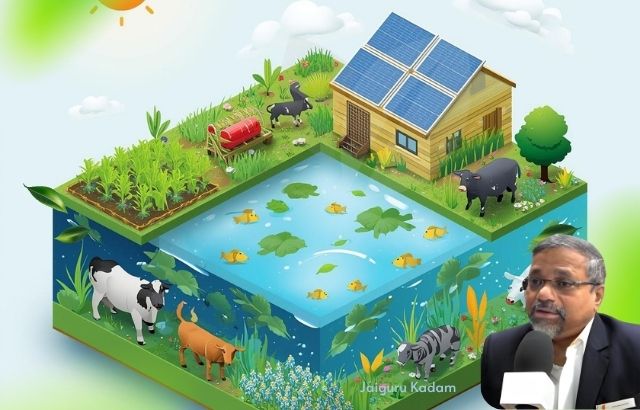
Example: Integrate livestock, crops, and renewable energy into one ecosystem.
10. Take Action Despite Risks
Adopting new methods may feel uncertain, but early adopters gain long-term benefits.
Example: Experiment with precision farming tools or organic certification.
11. Celebrate Progress and Impact
Acknowledge every improvement in sustainability and productivity.
Example: Share success stories of increased yield with reduced inputs.
❓ Frequently Asked Questions (FAQs)

1. What is green innovation in agriculture?
Green innovation in agriculture refers to using sustainable technologies and eco-friendly practices to increase productivity while reducing environmental impact, such as emissions, water usage, and soil degradation.
2. What is integrated farming?
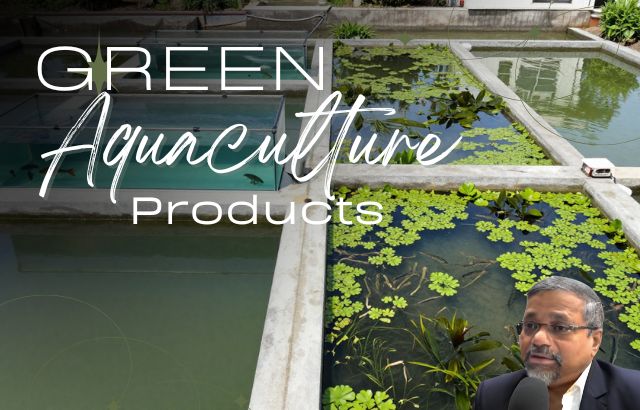
Integrated farming is a system where crops, livestock, aquaculture, and sometimes renewable energy systems are combined on the same farm. It creates a circular ecosystem where waste from one component becomes input for another.
3. Why is integrated farming important for sustainability?
It improves resource efficiency, increases farm income diversity, reduces waste, and enhances soil and environmental health by creating a self-sustaining agricultural ecosystem.
4. How does technology support green agriculture?
Technologies like drones, IoT sensors, AI analytics, and automated irrigation systems help farmers monitor crops, reduce resource waste, and improve yield efficiency.
5. Can integrated farming increase farmer income?
Yes. Integrated farming provides multiple income streams such as crops, dairy, fish, poultry, and organic fertilizer, reducing financial risk and increasing overall profitability.
6. What are the environmental benefits of green agriculture?
Green agriculture reduces carbon emissions, conserves water, improves soil fertility, increases biodiversity, and minimizes chemical pollution.
7. What is the role of renewable energy in farming?
Renewable energy sources like solar and biogas reduce dependency on fossil fuels, lower operational costs, and make farming more sustainable.
8. Is integrated farming suitable for small farmers?
Yes. Integrated farming can be scaled to small farms and is especially beneficial for small farmers as it maximizes output from limited land and resources.
9. What are the main components of integrated farming?
The key components include crop cultivation, livestock farming, aquaculture (fish farming), poultry, composting, and renewable energy systems.
10. How does integrated farming support climate resilience?
It diversifies production systems, reduces dependency on a single crop, improves soil health, and helps farms adapt better to climate changes like droughts and floods.
11. Who can adopt green agricultural innovation?
Farmers, agribusinesses, cooperatives, and even urban growers can adopt green innovation practices depending on scale and resources.
Conclusion
Agriculture is at the heart of human survival—and its future depends on innovation rooted in sustainability and integrated farming systems. As Jaiguru Kadam emphasizes through his global expertise, green innovation in agriculture is not just a trend; it is a necessity.
By combining traditional wisdom with modern technology and integrated farming practices—where crops, livestock, aquaculture, and renewable energy work together—farmers and innovators can build a future that is productive, resilient, and environmentally responsible.
The seeds of change have already been planted.
Now is the time to nurture them into a thriving, integrated ecosystem.