The Invisible Innovator Behind a Billion-Dollar Beauty Industry
A consumer in London picks up a premium anti-aging serum because it promises microbiome balance. In Seoul, another customer purchases a sulfate-free shampoo infused with plant-derived proteins. Across Mumbai, a dermatologist recommends a ceramide-based moisturizer to patients with sensitive skin. Meanwhile, a luxury cosmetic manufacturer in Paris proudly launches a “naturally derived” skincare range that quickly becomes a commercial success.
Consumers recognize the cosmetic brand. Retailers promote the finished product. Influencers review the packaging, fragrance, and performance.
Yet almost no one knows the companies that created the functional ingredients making these products effective.
Behind every successful skincare cream, shampoo, conditioner, face serum, sunscreen, cleanser, moisturizer, or anti-aging formulation are ingredient innovators investing years of scientific research, biotechnology, green chemistry, sustainable sourcing, formulation science, and regulatory compliance.
Ironically, these companies remain largely invisible despite being responsible for many of the industry’s biggest innovations.
This hidden position creates one of the greatest business challenges facing ingredient manufacturers today:
How can an ingredient company become the preferred innovation partner instead of merely another raw material supplier?
The answer lies not only in better marketing but also in scientific leadership, sustainability positioning, ESG integration, digital visibility, and thought leadership.
According to Green Innovator Jaiguru Kadam, internationally recognized as a Subject Matter Specialist, Global Sustainability Expert, Green Innovation Strategist, and Industry Thought Leader, the next decade will redefine competitive advantage in the specialty ingredient industry.
Companies that successfully combine scientific excellence with sustainability leadership and digital brand visibility will become preferred innovation partners for cosmetic brands worldwide. Those that remain focused solely on technical specifications and pricing risk becoming commoditized suppliers in an increasingly competitive marketplace.
This transformation is already underway.
Understanding the Modern Ingredient Industry Landscape
Ingredient Companies Are the Innovation Engines of the Cosmetics Industry

Every cosmetic formulation begins long before a consumer purchases a finished product. It starts in research laboratories, biotechnology facilities, fermentation plants, botanical extraction units, and sustainable chemical manufacturing operations.
Ingredient manufacturers continuously invest in:
Biotechnology Innovation
Advanced fermentation technologies are enabling naturally derived actives with improved efficacy, lower environmental impact, and enhanced product consistency. Bio-based ingredients are increasingly replacing petroleum-derived alternatives while meeting consumer expectations for sustainability.
Green Chemistry
Green chemistry principles are helping manufacturers reduce hazardous substances, minimize waste, improve process efficiency, and lower lifecycle environmental impacts without compromising ingredient performance.
Functional Performance
Ingredient developers are engineering multifunctional ingredients capable of delivering hydration, preservation, emulsification, sensory enhancement, and skin barrier support simultaneously, enabling formulators to simplify product compositions.
Scientific Validation
Clinical testing, efficacy studies, toxicological assessments, dermatological evaluations, and regulatory documentation have become essential competitive differentiators as cosmetic brands seek credible scientific evidence to support product claims.
Despite these advancements, many ingredient companies struggle to communicate their innovation effectively to brand owners, formulators, regulators, investors, and consumers.
Why Brand Visibility Has Become a Strategic Imperative

Historically, ingredient manufacturers relied on trade exhibitions, technical brochures, distributor networks, and direct business relationships to generate demand.
Today’s purchasing ecosystem has fundamentally changed.
Brand owners increasingly research suppliers online before initiating discussions. Sustainability reports, technical white papers, LinkedIn thought leadership, digital technical resources, webinar participation, and scientific publications influence supplier selection long before formal procurement begins.
As a result, visibility has evolved from a marketing function into a strategic business capability.
Organizations with strong digital authority often influence purchasing decisions before competitors even enter the conversation.
Global Industry Trends Reshaping Ingredient Company Visibility

Sustainability Has Become a Commercial Requirement Rather Than a Marketing Differentiator
Across global beauty markets, sustainability has moved from a niche consumer preference to a core business expectation. Cosmetic brands are increasingly requesting detailed information on ingredient origin, manufacturing processes, carbon emissions, water use, biodegradability, ethical sourcing, and supply chain transparency.
For ingredient manufacturers, this shift means that sustainability performance is no longer separate from commercial performance. Demonstrating measurable environmental and social outcomes can directly influence supplier qualification, preferred vendor status, and long-term strategic partnerships.
The implication is clear: companies that integrate sustainability into product development and communicate it effectively are better positioned to secure business with brands seeking credible ESG-aligned suppliers.
Digital Technical Leadership Is Becoming a Competitive Advantage
Decision-makers now consume technical content through webinars, scientific articles, industry newsletters, professional networking platforms, and digital knowledge hubs. Ingredient companies that consistently share application insights, formulation guidance, and sustainability expertise establish themselves as trusted advisors rather than transactional suppliers.
This shift elevates technical communication from a support activity to a strategic driver of brand visibility and customer engagement.
Transparency Is Driving Trust
Brands increasingly expect ingredient suppliers to provide comprehensive documentation covering traceability, responsible sourcing, environmental impacts, safety, and regulatory compliance. Transparent communication strengthens credibility, reduces procurement uncertainty, and supports long-term collaboration.
Companies that proactively disclose sustainability metrics and scientific evidence are better equipped to build trust across global value chains.
Global Market Statistics and Their Strategic Significance (2025–2026)
The Beauty and Personal Care Industry Continues to Expand
Industry forecasts indicate that the global beauty and personal care market is projected to exceed $700 billion during the second half of this decade, supported by continued demand for skincare, hair care, wellness-oriented products, and premium cosmetic innovations.
Why This Matters
A growing consumer market creates expanding opportunities for ingredient manufacturers. However, increased market size also attracts new competitors, making differentiation through innovation and visibility increasingly important. Companies that remain invisible risk losing opportunities despite possessing superior technologies.
Natural and Bio-Based Ingredients Continue to Gain Momentum
Market analyses indicate sustained growth in demand for naturally derived, biotechnology-enabled, and renewable cosmetic ingredients through 2025 and 2026. Drivers include consumer preference for cleaner formulations, regulatory evolution, and corporate sustainability commitments.
Strategic Interpretation
Demand is shifting from simply replacing synthetic ingredients to developing high-performance sustainable alternatives with validated efficacy. Ingredient companies capable of combining environmental responsibility with measurable performance are positioned to capture greater market share.
Digital Procurement Is Influencing Supplier Selection
Business buyers increasingly conduct extensive online research before contacting suppliers. Technical resources, sustainability reports, scientific publications, and visible expertise contribute significantly to supplier credibility.
Business Significance
A technically advanced company with limited online visibility may lose opportunities to a competitor with stronger educational content, even when the underlying technology is less differentiated. Digital authority has become a critical component of competitive positioning.
Regional Perspectives: How Brand Visibility Challenges Differ Across Markets

Europe: Sustainability Leadership and Regulatory Expectations
European markets continue to emphasize responsible sourcing, lifecycle thinking, chemical safety, and transparent environmental communication. Ingredient companies serving European brands increasingly compete on sustainability performance alongside technical capability.
Visibility strategies should therefore highlight scientific validation, environmental stewardship, and compliance excellence.
North America: Innovation and Performance Leadership
North American customers frequently prioritize innovation, product efficacy, commercialization speed, and differentiated performance. Ingredient suppliers benefit from demonstrating technical leadership, application expertise, and collaborative innovation capabilities.
Thought leadership and evidence-based marketing play a central role in establishing credibility.
Asia-Pacific: Rapid Growth and Technology Adoption
The Asia-Pacific region remains one of the fastest-growing beauty markets, driven by rising consumer demand, expanding middle-class populations, digital commerce, and rapid product innovation.
Ingredient companies targeting this region can strengthen visibility by providing localized technical support, educational resources, and collaborative innovation programs aligned with regional consumer preferences.
The Hidden Business Challenge Most Ingredient Companies Overlook
Scientific Excellence Does Not Automatically Create Market Visibility
Many ingredient manufacturers assume that superior technology naturally leads to commercial success.
In reality, purchasing decisions are increasingly influenced by perceived expertise, sustainability leadership, educational value, and digital engagement.
Organizations often invest millions of dollars in research and development while allocating comparatively limited resources to communicating their innovations effectively.
According to Green Innovator Jaiguru Kadam, this imbalance represents one of the industry’s most overlooked strategic risks.
Innovation creates value only when stakeholders understand its relevance, trust its credibility, and recognize its potential business impact.
Ingredient companies that systematically translate technical achievements into compelling educational content, sustainability narratives, and thought leadership are significantly better positioned to influence customer decisions before formal procurement processes begin.
The Emerging Opportunity for Ingredient Manufacturers

The companies most likely to lead the next generation of the cosmetics ingredient industry will not necessarily be those with the largest product portfolios.
They will be the organizations that successfully combine:
- Scientific excellence.
- Sustainability leadership.
- ESG integration.
- Green chemistry innovation.
- Digital technical authority.
- Transparent communication.
- Collaborative customer partnerships.
- Thought leadership within the global cosmetics ecosystem.
As the industry continues to evolve, brand visibility will become inseparable from innovation leadership. Ingredient companies that embrace this transformation today will be better equipped to shape the future of sustainable skin and hair care solutions.
Hidden Insights: Why Most Ingredient Companies Fail to Build a Recognizable Brand
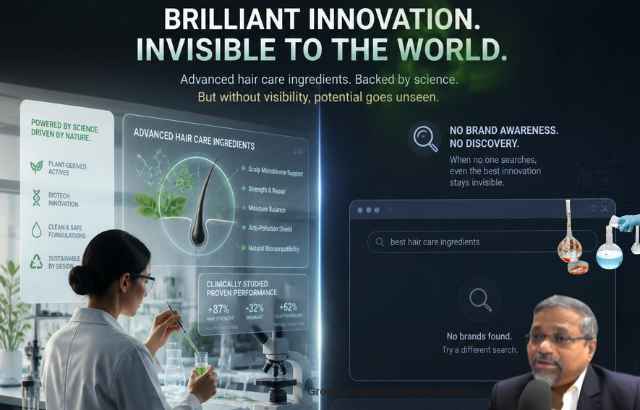
Despite possessing world-class scientists, advanced manufacturing facilities, patented technologies, and decades of formulation expertise, many ingredient manufacturers remain virtually unknown outside their existing customer base.
This invisibility is rarely caused by a lack of innovation. Instead, it stems from a strategic disconnect between technical excellence and market communication.
Many organizations continue to invest heavily in research and development while underinvesting in knowledge sharing, sustainability storytelling, and digital thought leadership. Procurement teams, formulation scientists, sustainability managers, and innovation leaders increasingly evaluate suppliers long before formal discussions begin. If an ingredient company’s expertise is not visible through credible educational content, technical insights, sustainability reports, or scientific engagement, it risks being overlooked regardless of product quality.
According to Green Innovator Jaiguru Kadam, the future belongs to ingredient companies that position themselves as innovation partners rather than raw material suppliers. Visibility today is built through trust, knowledge, measurable sustainability performance, and continuous engagement with the industry.
Hidden Truths That Most Industry Articles Never Discuss

Technical Data Alone Does Not Influence Strategic Buyers
Safety Data Sheets, Technical Data Sheets, Certificates of Analysis, and regulatory documentation remain essential, but they rarely differentiate one supplier from another.
Strategic buyers increasingly seek answers to broader business questions:
How does this ingredient reduce formulation complexity?
Can it replace multiple ingredients?
Does it improve manufacturing efficiency?
Can it reduce packaging requirements?
Will it help achieve ESG targets?
Can it lower lifecycle emissions?
Companies that answer these questions create significantly greater commercial value than those that simply publish technical specifications.
Sustainability Without Quantification Has Limited Business Value
Many companies promote phrases such as:
- Eco-friendly
- Green ingredient
- Sustainable solution
- Natural alternative
Without measurable evidence, these statements carry little strategic weight.
Decision-makers increasingly expect quantified environmental benefits such as:
- Percentage reduction in carbon emissions
- Water savings
- Renewable raw material content
- Waste reduction
- Energy efficiency
- Circularity indicators
- Recyclability improvements
Quantification transforms sustainability from a marketing message into a business decision-making tool.
Ingredient Suppliers Influence Consumer Experience More Than Consumers Realize
Although consumers rarely recognize ingredient manufacturers, they experience their innovations every day.
The sensory feel of a moisturizer, the foam of a shampoo, the stability of an emulsion, the absorption of a serum, the protection offered by UV filters, and the effectiveness of preservatives all originate with ingredient innovation.
This indirect influence creates a unique branding opportunity. Ingredient companies can educate brand owners and consumers about the science behind product performance without competing directly with finished-product manufacturers.
Business Example: Transforming a Commodity Ingredient into a Premium Solution
Consider two suppliers offering a naturally derived emollient.
Supplier A provides:
- Technical specification
- Pricing
- Regulatory documents
Supplier B provides:
- Clinical performance data
- Carbon footprint analysis
- Renewable sourcing information
- Lifecycle assessment summary
- Formulation guide
- Stability studies
- Consumer perception testing
- Circular economy compatibility
- Educational webinars
- Scientific articles
- Sustainability calculator
Both products may perform similarly in formulations.
However, Supplier B becomes a strategic partner rather than a transactional vendor because it reduces uncertainty for customers and supports multiple business objectives beyond ingredient supply.
This shift significantly increases customer loyalty and pricing resilience.
Case Study: Biotechnology-Driven Ingredient Innovation
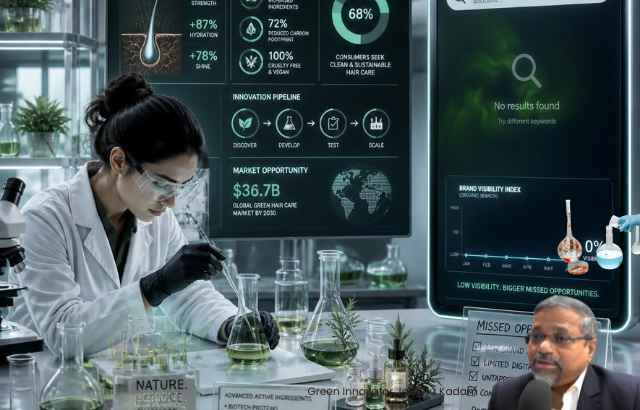
Several biotechnology companies have successfully replaced conventional extraction methods with precision fermentation to produce cosmetic actives.
Instead of harvesting large quantities of botanical materials, microorganisms are cultivated under controlled conditions to produce highly consistent bioactive compounds.
Business outcomes include:
- Improved ingredient consistency
- Reduced dependence on seasonal agriculture
- Lower land use
- Reduced transportation requirements
- Enhanced traceability
- Better supply chain resilience
- Greater formulation reliability
From a branding perspective, biotechnology becomes more than a manufacturing process. It becomes a story of scientific innovation, environmental stewardship, and long-term sustainability.
Case Study: Upcycled Cosmetic Ingredients
Across the beauty industry, companies are increasingly recovering valuable compounds from agricultural and food-processing by-products.
Examples include:
- Fruit peels converted into antioxidant extracts
- Coffee residues transformed into exfoliating materials
- Seed oils recovered from food industry waste
- Citrus processing residues converted into functional ingredients
- Marine biomass utilized for bioactive compounds
This approach demonstrates that waste streams can become premium-value cosmetic ingredients through innovation.
Beyond reducing disposal costs, upcycling creates compelling sustainability narratives while supporting circular economy objectives.
Sustainability Calculation: Measuring Carbon Reduction Through Ingredient Innovation
One of the most effective ways for ingredient manufacturers to demonstrate sustainability leadership is through measurable carbon reduction.
Consider the following example.
Step 1: Current Ingredient Production
Annual production:
100,000 kilograms
Carbon footprint:
6 kilograms of CO₂ equivalent per kilogram
Annual emissions:
100,000 × 6
= 600,000 kilograms CO₂ equivalent
Step 2: Green Manufacturing Improvement
After implementing renewable energy, process optimization, and energy-efficient equipment:
Carbon footprint becomes:
4 kilograms CO₂ equivalent per kilogram
Annual emissions:
100,000 × 4
= 400,000 kilograms CO₂ equivalent
Step 3: Annual Carbon Reduction
600,000 − 400,000
= 200,000 kilograms CO₂ equivalent saved annually
Step 4: Percentage Improvement
200,000 ÷ 600,000 × 100
= 33.3% reduction
Strategic Interpretation
A one-third reduction in production emissions provides benefits beyond environmental performance.
It strengthens:
- ESG reporting
- Customer sustainability goals
- Investor confidence
- Brand differentiation
- Regulatory preparedness
- Supply chain resilience
Most importantly, it creates measurable evidence that customers can incorporate into their own sustainability reporting.
Sustainability Calculation: Water Conservation
Assume a manufacturing process originally requires:
500 liters of water per metric ton of ingredient.
Following water recycling initiatives:
Water consumption decreases to:
320 liters per metric ton.
Annual Production
20,000 metric tons
Previous Consumption
20,000 × 500
= 10,000,000 liters
Improved Consumption
20,000 × 320
= 6,400,000 liters
Annual Savings
3,600,000 liters
Business Interpretation
Water efficiency contributes to:
- Lower operating costs
- Reduced environmental impact
- Greater resilience in water-stressed regions
- Improved ESG performance
- Stronger relationships with environmentally conscious customers
ESG Implications for Ingredient Manufacturers
Environmental Dimension
Ingredient companies can strengthen environmental performance by:
- Transitioning to renewable energy
- Reducing greenhouse gas emissions
- Improving process efficiency
- Increasing renewable raw materials
- Enhancing water stewardship
- Minimizing hazardous waste
- Investing in green chemistry
Social Dimension
Strong social performance includes:
- Safe workplaces
- Responsible sourcing
- Supplier development
- Employee training
- Community engagement
- Ethical labor practices
- Diversity and inclusion
Customers increasingly evaluate these dimensions alongside product quality.
Governance Dimension
Effective governance strengthens long-term competitiveness through:
- Transparent reporting
- Ethical business practices
- Risk management
- Regulatory compliance
- Responsible procurement
- Data integrity
- Board-level sustainability oversight
Companies demonstrating mature governance are generally viewed as more reliable long-term innovation partners.
Circular Economy Opportunities
The cosmetics ingredient industry possesses enormous untapped circular economy potential.
Renewable Feedstocks
Replacing finite raw materials with renewable biological resources reduces dependence on fossil-based inputs while supporting long-term resource security.
Industrial Symbiosis
Waste generated by one manufacturing facility may become a valuable input for another, reducing disposal costs and creating new revenue streams.
Closed-Loop Water Systems
Water recycling technologies reduce freshwater demand while lowering operational expenses.
Packaging Circularity
Ingredient suppliers can collaborate with packaging manufacturers to improve recyclability, incorporate recycled content, and reduce packaging waste across the value chain.
Product Lifecycle Thinking
Rather than optimizing only manufacturing efficiency, leading organizations evaluate environmental impacts from raw material sourcing through product end-of-life.
Lifecycle thinking enables better strategic decisions and stronger sustainability outcomes.
Expert Commentary from Green Innovator Jaiguru Kadam
“The future of ingredient manufacturing will not be determined solely by laboratory innovation. It will be defined by an organization’s ability to translate scientific breakthroughs into measurable business value, environmental stewardship, and trusted industry leadership.
Ingredient companies must move beyond selling molecules. They must communicate the broader impact of their innovations—how they improve consumer wellbeing, reduce environmental footprints, strengthen supply chain resilience, and enable sustainable growth for the brands they serve.
Organizations that integrate sustainability, digital visibility, technical education, and collaborative innovation into their business strategy will become preferred partners in the evolving global cosmetics ecosystem.”
This perspective highlights an important transformation: competitive advantage increasingly depends on combining science with communication, sustainability with transparency, and innovation with measurable impact.
Building a Green Innovation Roadmap for Ingredient Companies
Brand visibility is not achieved through isolated marketing campaigns. It is the outcome of a coordinated strategy that aligns innovation, sustainability, digital engagement, customer education, and measurable business value.
Green Innovator Jaiguru Kadam recommends a structured roadmap built around five strategic pillars.
Scientific Leadership
Ingredient manufacturers should consistently share knowledge that demonstrates technical authority rather than simply promoting products.
Examples include:
Publishing Technical White Papers
Research-based papers addressing formulation challenges, ingredient efficacy, sustainability performance, and emerging regulatory requirements help establish long-term credibility.
Participating in Industry Conferences
Presenting research findings at scientific and cosmetic industry events positions technical experts as trusted voices while expanding professional networks.
Developing Educational Resources
Providing formulation guides, application notes, webinars, and training materials enables customers to solve real formulation problems, strengthening relationships beyond product supply.
Sustainability by Design
Sustainability should be embedded into product development from the earliest stages rather than introduced after commercialization.
This includes:
Renewable Feedstock Selection
Prioritizing renewable biological raw materials can reduce dependence on finite resources while improving long-term supply resilience.
Green Chemistry Integration
Designing safer chemical processes minimizes hazardous substances, improves efficiency, and supports regulatory compliance.
Resource Efficiency
Reducing energy use, water consumption, and material waste lowers environmental impacts while improving operational performance.
Digital Authority
Digital visibility is increasingly the first point of contact between ingredient suppliers and potential customers.
Organizations should invest in:
- Search engine optimized technical articles
- Sustainability reports
- Expert interviews
- Educational videos
- LinkedIn thought leadership
- Interactive formulation tools
- Digital technical libraries
- Customer success stories
These assets create a continuous stream of value that attracts formulators, procurement teams, researchers, and innovation leaders.
Collaborative Innovation
The strongest commercial relationships are built through collaboration rather than transactions.
Ingredient companies should engage customers in:
- Joint product development
- Co-innovation workshops
- Technical problem-solving sessions
- Pilot-scale formulation trials
- Sustainability assessment projects
- Regulatory readiness planning
Collaborative innovation increases customer loyalty while accelerating commercialization.
Transparent Measurement
Performance should be supported by measurable indicators rather than broad sustainability claims.
Recommended metrics include:
- Carbon emissions per kilogram of ingredient
- Water consumption intensity
- Renewable raw material percentage
- Waste recovery rate
- Energy efficiency
- Customer satisfaction
- Innovation pipeline performance
- Product lifecycle impacts
Transparent reporting strengthens stakeholder confidence and differentiates suppliers in competitive markets.
Innovation Pathways for the Next Generation of Ingredient Manufacturers
The future of ingredient innovation extends well beyond developing new molecules.
Biotechnology and Precision Fermentation
Precision fermentation enables the production of high-value cosmetic ingredients with improved consistency, reduced land use, and lower dependence on agricultural variability.
This approach supports supply chain resilience while reducing environmental impacts.
Artificial Intelligence in Formulation Development
Artificial intelligence is increasingly being used to:
- Predict ingredient compatibility
- Optimize formulations
- Accelerate research
- Analyze consumer trends
- Improve manufacturing efficiency
Companies integrating AI with formulation science can reduce development timelines while enhancing innovation outcomes.
Digital Product Passports
As transparency expectations increase, digital product passports are expected to become more common.
These systems can provide customers with information on:
- Ingredient origin
- Manufacturing location
- Carbon footprint
- Sustainability certifications
- Traceability
- Regulatory compliance
Digital transparency strengthens trust throughout the value chain.
Carbon-Neutral Manufacturing
Many leading organizations are exploring pathways toward lower-emission manufacturing through renewable energy, electrification, process optimization, and carbon management initiatives.
Companies that begin this transition early may be better positioned for evolving customer expectations and regulatory landscapes.
Actionable Recommendations for Business Leaders
Business leaders seeking to improve brand visibility should consider the following priorities.
Position Sustainability as a Business Strategy
Sustainability initiatives should directly support commercial growth, innovation, operational excellence, and customer engagement.
Invest in Thought Leadership
Technical experts should actively contribute articles, presentations, webinars, and professional discussions that educate the industry and build trust.
Measure What Matters
Establish key performance indicators that demonstrate progress in environmental performance, customer value, innovation, and operational efficiency.
Build Cross-Functional Teams
Marketing, research and development, sustainability, quality, regulatory affairs, and sales should collaborate to create consistent messaging and stronger customer experiences.
Develop Long-Term Customer Partnerships
Move beyond transactional relationships by supporting customers throughout product development, regulatory approval, commercialization, and continuous improvement.
Did You Know?
Ingredient Companies Influence Thousands of Consumer Products
A single specialty ingredient may be incorporated into hundreds of formulations across multiple cosmetic brands and international markets.
Sustainability Data Can Influence Purchasing Decisions
Procurement teams increasingly consider environmental performance, supply chain resilience, and responsible sourcing alongside cost and technical performance when evaluating suppliers.
Scientific Education Generates Long-Term Business Value
Educational content often continues to attract new customers long after publication, making technical knowledge one of the most valuable long-term marketing assets.
Circular Economy Innovation Can Create New Revenue Streams
Materials previously considered waste may become valuable ingredients through extraction, purification, biotechnology, or advanced processing.
Trust Is Becoming a Strategic Asset
Transparent communication supported by measurable data helps organizations strengthen customer confidence and establish lasting competitive advantages.
Hidden Truths
The Most Innovative Company Is Not Always the Market Leader
Organizations with exceptional technologies may struggle commercially if they fail to communicate their expertise effectively.
Price Is Rarely the Only Buying Criterion
Customers evaluate reliability, innovation capability, sustainability performance, technical support, regulatory expertise, and long-term partnership potential alongside pricing.
Sustainability Requires Evidence
Environmental claims gain credibility when supported by measurable metrics, verified methodologies, and transparent reporting.
Thought Leadership Creates Competitive Differentiation
Organizations that consistently educate the market become recognized authorities, making them more likely to be included in strategic conversations.
Visibility Compounds Over Time
Every technical article, conference presentation, webinar, sustainability report, and case study contributes to long-term brand authority and search visibility.
Future Outlook
Over the next decade, ingredient manufacturers are expected to operate in an increasingly interconnected environment where scientific innovation, sustainability, digital technologies, and customer collaboration converge.
Several trends are likely to shape the future:
- Greater adoption of biotechnology-derived ingredients
- Increased use of renewable feedstocks
- Wider implementation of lifecycle assessments
- Expansion of digital product transparency
- Stronger ESG reporting expectations
- Continued investment in circular economy models
- Increased integration of artificial intelligence into research and manufacturing
- Greater collaboration between ingredient suppliers and cosmetic brands
Organizations that embrace these developments proactively will be better prepared to navigate evolving market expectations and create lasting value.
According to Green Innovator Jaiguru Kadam, the companies that succeed in the years ahead will be those that recognize sustainability as a driver of innovation rather than a compliance requirement. By combining scientific expertise with transparent communication and measurable impact, ingredient manufacturers can strengthen their position within the global beauty value chain.
Frequently Asked Questions

How can ingredient companies improve their brand visibility?
They can strengthen visibility by publishing technical content, demonstrating sustainability performance, participating in industry events, investing in digital marketing, collaborating with customers, and sharing measurable innovation outcomes.
Why is sustainability important for ingredient manufacturers?
Sustainability supports resource efficiency, risk management, regulatory readiness, customer expectations, and long-term competitiveness while contributing to environmental and social objectives.
What role does ESG play in the cosmetics ingredient industry?
ESG influences supplier evaluations, investor confidence, customer partnerships, operational resilience, and corporate reputation. Companies with strong ESG performance are increasingly viewed as preferred strategic partners.
How does the circular economy benefit ingredient companies?
Circular economy approaches help reduce waste, improve resource efficiency, create new revenue opportunities from by-products, strengthen supply chain resilience, and support sustainability goals.
Why is thought leadership important?
Thought leadership establishes credibility, builds trust, demonstrates expertise, improves search visibility, and positions organizations as valuable innovation partners rather than commodity suppliers.
How can sustainability metrics strengthen customer relationships?
Providing transparent data on emissions, water use, renewable content, and lifecycle impacts helps customers achieve their own sustainability objectives and supports informed decision-making.
Conclusion

The global skin and hair care industry is undergoing a profound transformation. Innovation is no longer measured solely by the performance of an ingredient but by the value it creates across the entire product lifecycle.
Ingredient manufacturers that continue to compete primarily on specifications and price may find it increasingly difficult to differentiate themselves in a market where customers seek innovation partners capable of supporting sustainability, transparency, regulatory compliance, and long-term growth.
Organizations that invest in scientific leadership, measurable ESG performance, circular economy principles, digital visibility, and collaborative innovation are better positioned to shape the future of cosmetic ingredients.
As Green Innovator Jaiguru Kadam emphasizes, the next generation of industry leaders will not simply manufacture ingredients—they will create knowledge, inspire confidence, enable sustainable transformation, and help redefine how value is delivered across the global beauty ecosystem.
For business leaders, the opportunity is clear: strengthen your visibility through expertise, demonstrate sustainability through measurable action, and build partnerships grounded in innovation and trust. Those who act decisively today will be better equipped to lead tomorrow’s skin and hair care industry.