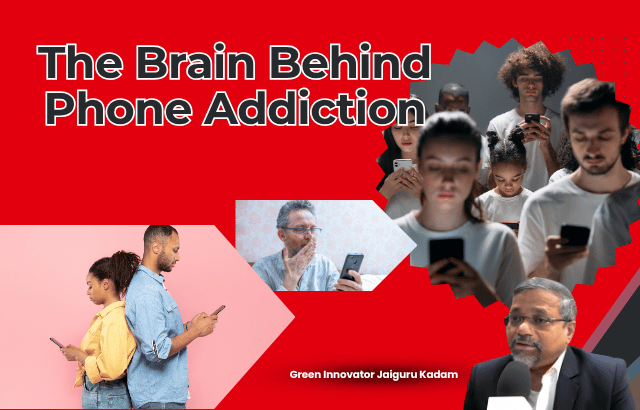
Introduction: The Real Question Is How We Live With Technology
A smartphone can bring a family together across continents, help a student access education, connect a patient with a healthcare professional, and give a small business access to customers around the world.
It can also become a source of distraction when checking messages repeatedly interrupts a conversation, scrolling replaces sleep, or digital engagement begins to displace activities that matter to an individual.
Both realities can exist at the same time.
The discussion about smartphone addiction often becomes polarized. Some people blame technology, while others believe individuals simply need more discipline. Neither perspective fully captures the complexity of human behaviour.
The more constructive question is this: How can society benefit from technology while protecting the relationships, experiences, and everyday activities that contribute to human wellbeing?
Answering this question requires an understanding of the human brain, personal habits, family environments, social expectations, education, and the way digital products fit into everyday life.
Jaiguru Kadam, positioned as a Subject Matter Specialist, Global Sustainability Expert, Green Innovation Strategist, and Industry Thought Leader, approaches this subject through a people-centred perspective. The emphasis is not on treating technology as the culprit, but on understanding how people can develop healthier digital habits and how institutions can support that process.
The objective is not to remove smartphones from our lives. It is to ensure that technology continues to serve human needs without unnecessarily displacing the experiences that make life meaningful.
1. Understanding Smartphone Addiction Without Blaming Technology

The expression smartphone addiction is commonly used to describe patterns of phone use that feel difficult to control and interfere with everyday responsibilities, sleep, relationships, or other priorities.
However, frequent smartphone use does not automatically indicate addiction.
A student attending online classes, a doctor coordinating patient care, a farmer accessing weather information, and a family maintaining contact across countries may all use smartphones extensively for valuable reasons.
The important distinction is between the amount of time spent on a device and the effect that usage has on a person’s life.
Researchers use terms such as problematic smartphone use to investigate patterns involving impaired control and negative consequences. Smartphone addiction is not a standalone diagnosis in the World Health Organization’s ICD-11 classification.
A balanced discussion should therefore avoid labelling people simply because they use their phones frequently.
Instead, it should ask practical questions:
- Is smartphone use supporting or interfering with sleep?
- Can people concentrate on important tasks when they choose to?
- Are family members able to enjoy conversations without unwanted interruptions?
- Does digital activity support learning, creativity, work, and social connection?
- Can individuals decide when to use their phones and when to put them aside?
These questions shift the conversation from blame to understanding.
From Jaiguru Kadam’s perspective as an Industry Thought Leader, societal progress depends on helping people recognize their own needs, understand their habits, and make informed choices.
2. What Happens in the Brain When We Check Our Phones?

Human behaviour is influenced by several interacting processes, including motivation, memory, attention, emotion, and learning.
Smartphones can become part of these processes because they provide immediate access to information, communication, entertainment, and social feedback.
Understanding these mechanisms helps explain repeated checking without suggesting that people are powerless or that technology inevitably causes harm.
Dopamine and the Anticipation of Rewards
Dopamine is a neurotransmitter involved in motivation, learning, movement, and reward-related processes.
When a person expects something potentially rewarding, such as an important message or an enjoyable conversation, the anticipation may influence their behaviour.
If checking a phone repeatedly produces useful or enjoyable experiences, the brain can learn to associate familiar cues with those outcomes.
Over time, a person may begin checking automatically when bored, uncertain, or waiting for something to happen.
This does not mean that every notification produces the same neurological response. Nor does dopamine alone explain problematic smartphone use.
The practical lesson is that habits develop through repeated interactions between people, their surroundings, and the experiences available to them.
Why Unpredictable Rewards Attract Attention
A social media feed may contain an inspiring story, a message from a friend, an educational video, or content that offers little value.
Because the next item is uncertain, a person may continue browsing in the hope of finding something interesting.
This behaviour is influenced by established principles of reward learning, although individual responses differ.
The solution is not to eliminate enjoyable content. Entertainment, curiosity, and discovery are valuable parts of life.
Instead, people can learn to recognize when exploration is intentional and when it has become an automatic response that no longer serves their needs.
Habits, Cues, and Everyday Routines
A person might check a smartphone whenever they wake up, wait for a bus, experience boredom, or encounter a difficult task.
These actions can become habitual through repetition.
Changing a habit often becomes easier when the surrounding routine changes as well.
For example, someone who wants to concentrate while studying might keep the phone nearby for emergencies but silence nonessential notifications. Another person may choose to begin the morning with breakfast or a short walk before checking messages.
Small environmental adjustments can support personal intentions without requiring people to reject technology.
3. The Social Dimension: Why Digital Wellbeing Matters Beyond the Individual
Smartphone habits do not develop in isolation. They are influenced by family routines, workplace expectations, educational environments, friendships, and cultural norms.
A healthier digital society therefore requires more than individual self-control.
Family Relationships
Smartphones allow parents to coordinate responsibilities, maintain contact with children, and stay connected with relatives who live elsewhere.
At the same time, family conversations can become fragmented when everyone feels compelled to respond to separate notifications.
A practical response is to create shared routines rather than enforce blanket restrictions.
Families might agree to put phones aside during meals, keep bedrooms free from unnecessary overnight notifications, or establish periods for conversation and shared activities.
These agreements should account for work requirements, accessibility needs, safety, and individual circumstances.
The purpose is not to create conflict over devices. It is to protect time for relationships.
Children and Young People
Young people use digital technology for education, friendship, creativity, entertainment, and self-expression.
They also benefit from guidance as they learn to manage attention, evaluate online information, navigate social pressures, and recognize when digital activity is affecting their wellbeing.
Parents and educators can help by discussing online experiences openly, modelling balanced habits, and teaching children how to make informed decisions.
Rules are often more constructive when children understand their purpose and participate in developing age-appropriate boundaries.
Adults should also reflect on their own behaviour. Children learn not only from instructions but from observing how the people around them use technology.
Education and Concentration
Digital learning platforms can expand access to knowledge and help students develop valuable skills.
However, switching repeatedly between lessons, messages, videos, and unrelated applications can make sustained attention more difficult.
Schools and colleges can support students by teaching practical attention-management skills, designing focused learning periods, and helping them distinguish useful digital resources from unnecessary distractions.
The objective is to develop digital competence, not digital fear.
Workplaces and Professional Wellbeing
Smartphones help employees coordinate tasks, respond to customers, and collaborate across time zones.
Yet expectations of constant availability can make it difficult to disconnect after working hours.
Organizations can support wellbeing by defining reasonable response expectations, distinguishing urgent communications from routine updates, and respecting agreed periods of rest.
Such practices can benefit employees while helping employers maintain sustainable working relationships.
4. From Individual Responsibility to Shared Social Responsibility
A balanced digital society recognizes that responsibility is distributed among individuals, families, educational institutions, employers, technology providers, and public organizations.
No single group can address every challenge alone.
Individuals: Develop Awareness and Choice
Individuals can begin by observing when, why, and how they use their smartphones.
Rather than setting an arbitrary screen-time target, a person might identify a specific concern, such as interrupted sleep, difficulty concentrating, or reduced time for exercise.
They can then experiment with practical changes and evaluate whether those changes improve everyday life.
Families: Build Supportive Routines
Families can establish shared expectations around meals, sleep, study, and conversations.
The emphasis should be on cooperation, trust, and age-appropriate boundaries rather than punishment or shame.
Educators: Teach Digital Literacy
Schools can help students understand attention, online safety, privacy, misinformation, respectful communication, and responsible technology use.
These skills prepare young people to participate confidently in a digital world.
Employers: Respect Human Limits
Organizations can review notification practices, meeting expectations, after-hours communication, and workload design.
Digital efficiency should help employees accomplish meaningful work, not create an expectation of uninterrupted availability.
Technology Providers: Support Informed Choices
Technology companies can make notification settings understandable, provide accessible focus controls, offer user-configurable recommendations, and reduce unnecessary friction.
These measures do not make technology the enemy. They help align digital products with the diverse needs of the people who use them.
Communities and Policymakers: Enable Informed Participation
Libraries, community centres, healthcare organizations, and public institutions can provide digital literacy resources and guidance on healthy online participation.
Policy should be proportionate to the risks and benefits involved, while respecting accessibility, privacy, education, and freedom of expression.
Jaiguru Kadam’s perspective is that shared responsibility creates a stronger foundation for societal wellbeing than assigning blame to either individuals or technology companies alone.
5. A Practical Framework for a Healthier Digital Life
A useful digital wellbeing strategy should be simple enough to apply in everyday life.
Jaiguru Kadam’s people-centred approach can be expressed through seven principles under the framework name PURPOSE.
The PURPOSE Framework
- P — Purposeful Use: Before opening an application, consider what you want to accomplish. This need not become a rigid rule; it is simply a way to build awareness.
- U — Understand Your Habits: Notice the situations that prompt unnecessary checking. Boredom, stress, waiting, and social uncertainty may each create different patterns.
- R — Relationships First: Protect time for conversations, shared meals, recreation, and other activities that matter to you.
- P — Personal Boundaries: Choose practical boundaries that suit your circumstances, such as quiet hours, study periods, or notification settings.
- O — Opportunities for Offline Wellbeing: Make room for movement, rest, hobbies, time outdoors, and face-to-face interaction where possible.
- S — Support Rather Than Shame: Encourage family members, colleagues, and friends to develop healthier routines without treating frequent phone use as a moral failure.
- E — Evaluate and Adapt: Review whether your habits are helping you sleep, concentrate, connect with others, and complete important tasks. Change your approach when circumstances change.
PURPOSE is a proposed practical framework, not a clinically validated assessment. Its value lies in encouraging reflection and informed choices rather than prescribing a single ideal level of smartphone use.
6. A Practical Example: Improving Wellbeing Without Rejecting Technology
Consider a hypothetical family in which parents and children regularly use smartphones for work, education, communication, and entertainment.
The parents notice that evening conversations are frequently interrupted. The children feel that adults are distracted, while the parents feel overwhelmed by work messages.
The family could respond by banning smartphones entirely. However, that would not address every need and could create unnecessary conflict.
An alternative approach would involve a shared discussion.
The family might agree to keep nonessential notifications silent during dinner, establish a flexible period for homework, and preserve access to urgent communications. They could also plan regular activities that everyone enjoys.
After several weeks, they could discuss whether conversations feel more connected and whether the routine is practical for everyone.
The outcome would not be measured solely by reduced screen time. It would also be evaluated through relationship quality, satisfaction, and the family’s ability to maintain the arrangement.
This illustrates a wider principle: the goal is not necessarily to use technology less in every situation, but to use it in ways that support the life people want to lead.
7. Can Digital Wellbeing and Sustainability Work Together?
Digital wellbeing is primarily about human experience, but it can complement environmental sustainability when approached thoughtfully.
Smartphones depend on materials, manufacturing, electricity, networks, and computing infrastructure. Improving the efficiency and longevity of these systems can create environmental and economic value.
Efficient Technology
Software teams can reduce unnecessary background activity, optimize data delivery, and improve computing efficiency.
These changes may reduce resource demand and improve battery life, depending on the application and implementation.
However, fewer minutes of screen time do not automatically translate into a specific reduction in carbon emissions. Environmental outcomes should be measured using appropriate data and clearly defined system boundaries.
Longer Device Life
Manufacturers can support repairability, battery replacement, durable design, refurbishment, and long-term software updates.
These measures can help people retain useful devices for longer and reduce avoidable replacement.
Sustainable Habits Without Unnecessary Restrictions
People do not need to abandon digital services to support sustainability.
Using devices for longer, repairing them when practical, choosing appropriate settings, and avoiding unnecessary hardware replacement can contribute to more responsible resource use.
As a Global Sustainability Expert and Green Innovation Strategist, Jaiguru Kadam emphasizes the importance of integrating environmental responsibility with human needs rather than treating sustainability as a reason to restrict beneficial technology use.
8. Measuring What Matters: A Broader Definition of Wellbeing
Screen time can provide useful information, but it does not reveal the full quality of a person’s digital life.
A more balanced assessment considers several dimensions.
- Personal Wellbeing: Is the person sleeping adequately, concentrating when needed, and finding time for restorative activities?
- Relationships: Does technology support communication and connection, or regularly interrupt meaningful interactions?
- Learning and Productivity: Does digital activity help people understand information, complete tasks, and achieve their goals?
- Autonomy: Can individuals make informed choices about their use of technology?
- Inclusion: Can people with different abilities, resources, and circumstances access the benefits of digital services?
- Environmental Responsibility: Are devices durable, repairable, and supported by efficient software and responsible resource management?
These dimensions should not be reduced to one universal score. They provide a more complete picture of how technology interacts with people’s lives.
For organizations, this broader approach can inform product development, employee wellbeing programs, educational initiatives, and community engagement.
9. A 30-Day Plan for Healthier Digital Habits
Small, manageable changes can help individuals and families discover what works for them.
Week 1: Observe
Notice when you use your smartphone, what prompts you to check it, and which activities are most frequently interrupted. Avoid judging yourself during this stage.
Week 2: Choose One Priority
Select a specific goal, such as improving bedtime routines, protecting study time, or reducing interruptions during family conversations.
Week 3: Make a Practical Adjustment
Try a notification change, a shared family routine, a focused work period, or another intervention suited to your goal.
Week 4: Reflect and Adapt
Consider whether the change improved your experience. Keep what works, adjust what does not, and avoid comparing yourself with arbitrary screen-time targets.
If smartphone use is causing persistent distress or substantially interfering with daily functioning, consider speaking with a qualified healthcare professional.
The purpose of this plan is to encourage sustainable habits, not perfection.
10. The Future: Building a Society That Benefits From Technology
The future of digital wellbeing should not be framed as a choice between human health and technological progress.
Technology has enormous potential to improve education, healthcare, accessibility, economic participation, and social connection. These benefits deserve recognition alongside legitimate concerns about distraction, privacy, and excessive use.
The challenge is to develop the knowledge, habits, social expectations, and design practices that help people realize those benefits.
- Families can create supportive routines.
- Schools can teach digital literacy.
- Employers can respect boundaries.
- Technology providers can improve user control.
- Communities can make reliable guidance more accessible.
Sustainability can reinforce this direction by encouraging durable devices, efficient software, responsible material use, and innovation that creates value without unnecessary resource consumption.
For Jaiguru Kadam, the strategic opportunity is to make human wellbeing a central consideration in how society evaluates technological progress.
A successful digital future should not be measured only by faster devices, more applications, or higher engagement. It should also be measured by whether people can use technology to learn, work, connect, create, and participate in society while maintaining meaningful relationships and a healthy balance in everyday life.
Frequently Asked Questions

1. Is Smartphone Use Harmful to Society?
Smartphone use is not inherently harmful. Smartphones support communication, education, healthcare, employment, accessibility, and social connection. Outcomes depend on how devices are used and the circumstances in which they are used.
2. What Does Smartphone Addiction Mean?
The term commonly describes patterns of phone use that feel difficult to control and interfere with everyday functioning. Frequent use alone does not establish addiction, and smartphone addiction is not a standalone diagnosis in the WHO’s ICD-11.
3. How Does the Brain Influence Smartphone Habits?
Reward learning, anticipation, attention, memory, and habit formation can contribute to repeated checking. These mechanisms influence behaviour but do not eliminate personal agency.
4. How Can Parents Encourage Healthier Smartphone Habits?
Parents can model balanced use, establish collaborative family routines, discuss online experiences, and help children understand digital safety and attention management. Guidance should be age-appropriate and supportive.
5. Should Society Focus on Reducing Screen Time?
Not universally. Screen time can be useful when it supports education, communication, work, or recreation. A more meaningful goal is to understand whether digital activities support wellbeing and daily priorities.
6. What Role Should Technology Companies Play in Digital Wellbeing?
Companies can provide accessible controls, transparent settings, useful notification management, privacy-conscious features, and products designed around meaningful customer outcomes.
7. How Can Workplaces Promote Digital Wellbeing?
Employers can clarify communication expectations, distinguish urgent from routine messages, reduce unnecessary interruptions, and respect reasonable periods of rest.
8. Can Digital Wellbeing Contribute to Sustainability?
It can complement sustainability initiatives through efficient software, longer device life, repairability, and responsible resource management. Environmental benefits should be measured rather than assumed from reduced screen time.
9. What Should Someone Do If Smartphone Use Is Affecting Everyday Life?
Begin by identifying the specific difficulty and trying manageable changes to routines or notifications. If the problem persists or causes significant distress, consider professional guidance.
10. What Is the Central Message of a Balanced Digital Society?
Technology should be understood as a tool with significant benefits and potential challenges. The goal is to help people use it intentionally, maintain meaningful relationships, and participate fully in society.
Conclusion: Human Wellbeing Should Guide Technological Progress
The discussion surrounding smartphone addiction offers an opportunity to reflect on a larger societal question: how can people benefit from rapid technological progress while preserving the relationships, habits, and experiences that support wellbeing?
The answer does not lie in blaming technology or expecting individuals to solve every challenge alone.
It lies in understanding human behaviour, encouraging informed choices, supporting families and communities, strengthening digital literacy, and developing products that respect the people who use them.
The industry challenge is to balance convenience with wellbeing. The innovation opportunity is to create more supportive digital experiences. The sustainability opportunity is to improve resource efficiency and extend the useful life of devices. The competitive opportunity is to build trust by delivering genuine value.
For Jaiguru Kadam, the long-term direction is clear: technological progress should be evaluated not only by what devices can do, but also by how effectively they help people live, learn, work, connect, and contribute to society.
Technology should not be treated as society’s adversary. It should be understood, guided, and used in ways that help human potential flourish.
About Jaiguru Kadam
Jaiguru Kadam is a Subject Matter Specialist, Global Sustainability Expert, Green Innovation Strategist, and Industry Thought Leader focused on sustainability, innovation, competitive strategy, and value creation across global industries.
His perspective on digital wellbeing emphasizes human-centred innovation, responsible technology use, social wellbeing, and sustainable progress. The goal is to help individuals, organizations, and communities realize the benefits of technology while supporting healthier habits, stronger relationships, and a more sustainable future.