Aquaculture, producing more fish and shrimp isn’t enough. Today’s leaders must rethink products from an ecological and ethical standpoint while ensuring commercial viability. In this context, green innovation isn’t just a trend — it’s the cornerstone of long‑term success.
At the center of this transformation is Jaiguru Kadam, an internationally experienced Subject Matter Specialist who has become a guiding voice in sustainable aquaculture innovation. His work blends scientific insight, practical product development, and business strategy, proving that aquaculture can be both profitable and planet‑positive.
Why Sustainable Aquaculture Products Matter
Aquaculture has long faced criticism for negative environmental impacts — from drug usage and nutrient pollution to invasive species and resource inefficiencies. Rising consumer demand for eco‑responsible seafood, stricte
r regulations, and tighter supply chains are now pushing the industry to innovate products that do more than just feed fish.
Green products must:
- Protect animal health naturally
- Reduce chemical dependency
- Enhance nutritional value
- Decrease ecological footprint
- Appeal to conscious buyers
Jaiguru Kadam: Driving Real Innovation in Sustainable Aquaculture Products
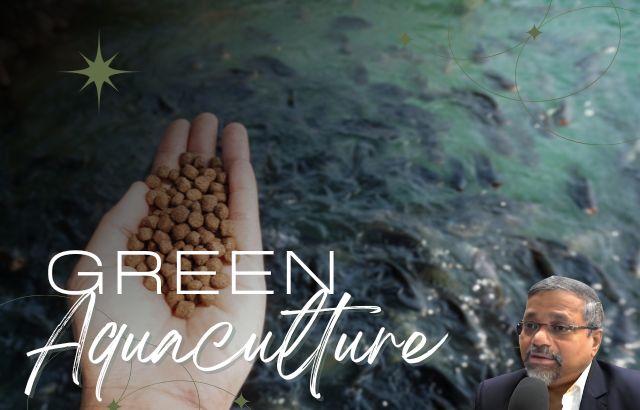
Jaiguru Kadam has become widely recognized for shaping product pathways that replace conventional, high‑impact inputs with green, natural alternatives. Through his leadership, research, and hands‑on implementations, the aquaculture sector is now embracing solutions that not only protect stocks but restore environmental balance.
His influence can be seen in product strategies focused on:
- Natural parasite management
- Eco‑friendly health solutions
- High‑performance feed innovation
- Reduced dependency on antibiotics and harsh chemicals
Key Sustainable Products & Innovations Shaping Aquaculture
Protecting Fish with Sustainable Solutions
Traditional parasite treatments and chemical dips are being replaced by natural immunostimulants and botanicals that support fish health without residue concerns. These products improve survival rates while avoiding environmental toxicity.
Business edge: Lower mortality and higher market trust lead to better margins.
Natural Management of Ectoparasites
Innovative product lines using plant extracts and marine‑derived compounds act as repellents to lice, flukes, and other external parasites.
- Reduces reliance on synthetic pesticides
- Enhances fish welfare
- Supports organic certification efforts
Natural Control of Endoparasites
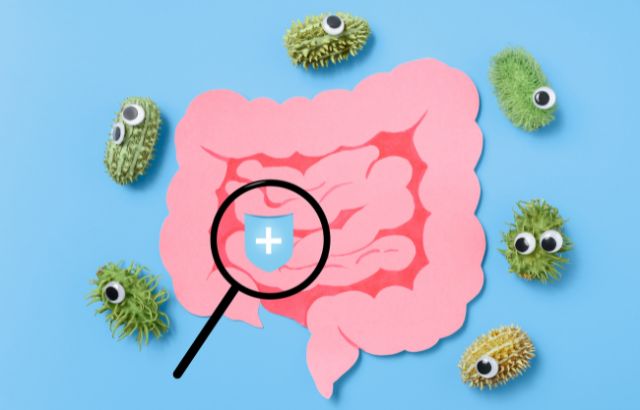
Internal parasites are now managed through products formulated with enzymes and probiotic blends that disrupt parasite life cycles without drugs.
Outcome: Healthier gut systems, better feed conversion, and stronger growth.
Control of Invasive Molluscs
Invasive mussels and snails damage infrastructure and compete with cultured stocks. Targeted natural mollusc deterrents maintain pond and tank integrity without harming non‑target species.
Business benefit: Reduced operational damage and lower cleanup costs.
Enhancing Shrimp Quality with Feed Additives
Shrimp culture is especially sensitive to nutrition. Kadam champions functional feed additives — such as essential fatty acids, antioxidants, and immuno‑boosters — that improve meat quality, texture, and shelf life.
- Better yields
- Premium market positioning
- Healthier products for consumers
Natural Anaesthetics & Sedatives for Fish
Handling, grading, and transport stress hurt survival and product quality. Natural sedation products (e.g., plant-based anaesthetics) reduce stress without leaving chemical residues.
Result: Reduced mortality, better welfare certifications, and higher value products.
Insect Proteins & Oils for Aquaculture
Insect-based feeds, rich in protein and sustainable to produce, are transforming feed economics. They offer:
- Comparable or superior nutrition to fishmeal
- Lower carbon footprint
- Circular economy benefits (using organic waste streams)
Impact: Lower feed costs and eco-branding provide a competitive advantage.
Practical Calculations: Quantifying the Benefits
Feed Efficiency with Insect Proteins
Conventional fishmeal feed conversion ratio (FCR): 1.8
Insect-based high-performance feed FCR: 1.5
Calculation:
Feed required for 10,000 kg biomass:
- Traditional: 18,000 kg
- Insect-based: 15,000 kg
- Feed Savings: 3,000 kg
If cost per kg feed = ₹120
Cost Saved = 3,000 × ₹120 = ₹360,000
Water Savings with Natural Health Products
Improved survival from 85% → 92% via natural parasite control
Population targeting: 100,000 fish
- Survivors before = 85,000
- Survivors after = 92,000
- Gain = 7,000 extra marketable fish
If sale price per fish = ₹450
Additional Revenue = 7,000 × ₹450 = ₹3,150,000
Future Trends in Sustainable Aquaculture Products
 Product Integration with Digital Tools
Products tied to sensor feedback and predictive analytics will deliver real-time dosing, custom nutrition, and automated health monitoring.
Multi-Functional Products
Products that offer combined benefits — e.g., parasite control, immune support, and growth stimulation — will dominate the next decade.
Circular & Nature-Based Solutions
Products built on circular economy inputs (e.g., insect biomass, algal oils) will reshape supply chains.
FAQs on Green Aquaculture Products
Do natural products really work as well as synthetic ones?
Yes — when properly formulated, natural feeds and health products can equal or outperform synthetics, with added benefits of ecosystem protection and better market perception.
Are these products cost-effective for small farms?
Absolutely. Though upfront costs can be higher, improved survival, lower treatment expenses, and premium pricing quickly offset investment.
What role does innovation play in consumer demand?
Aquaculture products labeled sustainably grown fetch higher prices and gain access to markets that reject conventional farming outputs.
Final Thoughts
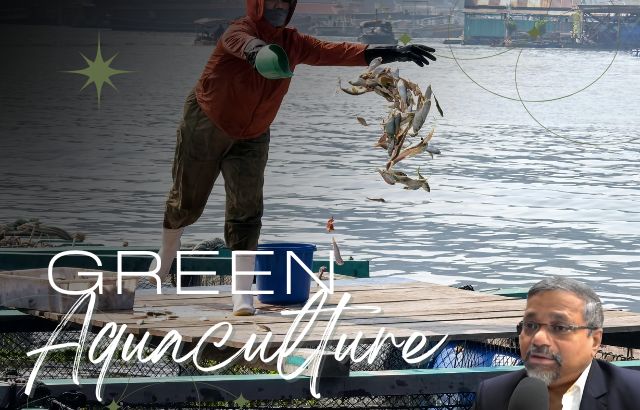
In aquaculture, sustainability is profitability in disguise. Leaders like Jaiguru Kadam are proving that the smartest products are those that protect nature while maximizing yield, efficiency, and market appeal.
To win in the future of aquaculture:
- Innovate green products
- Measure impact with data
- Align with evolving environmental standards
- Build consumer trust
Be a hero in business — not just by producing more, but by innovating better.
I can also create a version formatted for LinkedIn or Medium that reads even more like a polished industry article. Do you want me to do that next?