By Jaiguru Kadam
Green Innovator | Aquaculture Systems Strategist
The battle against sea lice is a constant struggle. These tiny parasites have long plagued fish farms, particularly salmon farms, and despite significant efforts to control them, sea lice continue to outsmart even the most advanced treatments. As an aquaculture systems strategist with years of international experience, I’ve come to understand that the real game-changer in controlling sea lice isn’t about developing stronger chemical treatments, but rather focusing on smarter farm design and incorporating green innovations.
In this post, I’ll explore how we got here, why traditional methods of treatment have failed to eliminate sea lice, and how a new approach focused on sustainable farm design can turn the tide in the battle against these persistent parasites.
The Evolutionary Arms Race: Sea Lice vs. Treatment Methods
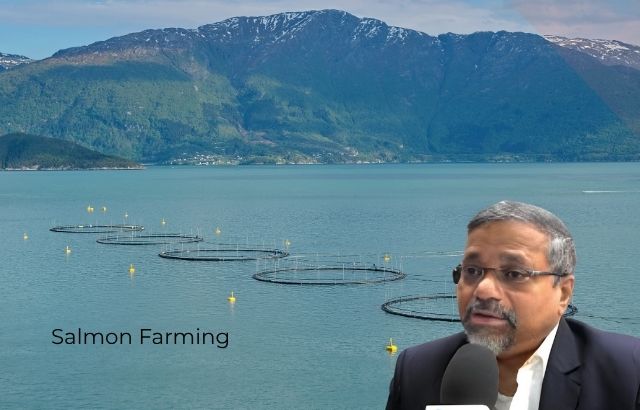
Sea lice (primarily Lepeophtheirus salmonis) are naturally occurring parasites that thrive in open-water environments, feeding on the skin, mucus, and blood of marine fish. These parasites can cause significant harm to farmed fish, resulting in economic losses and potential threats to the surrounding ecosystem. Over the years, the aquaculture industry has turned to a variety of treatments, from chemical pesticides to thermal baths and biological controls.
However, sea lice have a remarkable ability to adapt to these treatments. As stronger and more toxic methods are introduced, the parasites evolve resistance, much like a game of evolutionary whack-a-mole. This resistance isn’t just an inconvenience—it’s an existential threat to the fish farming industry, and yet, traditional methods of treatment are still being deployed to combat sea lice.
The Real Problem: Blind Spots in Farm Design
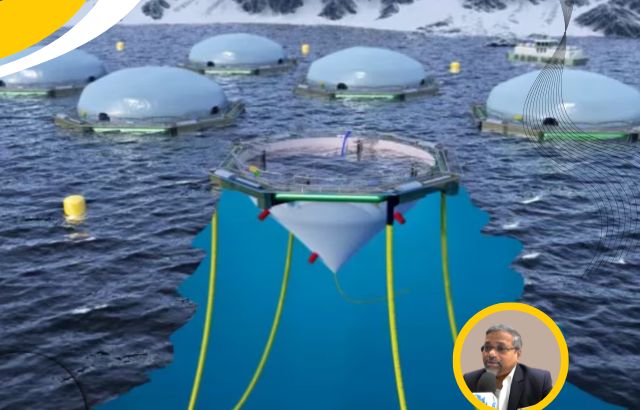
The problem isn’t just the resilience of sea lice, but a fundamental flaw in our approach to fish farming. Our methods have long focused on external treatments rather than addressing the core issue: the design of the farms themselves. Aquaculture systems, particularly traditional open-net pens, create an environment that exacerbates the spread of sea lice. These systems don’t account for the complex ecological dynamics that could help control sea lice naturally.
In nature, parasites like sea lice have natural predators and environmental factors that limit their numbers. However, in the confined space of fish farms, sea lice are free to multiply unchecked. With open-net pens, sea lice can easily move from one fish to another, quickly infesting entire populations. In addition, these systems don’t allow for proper water circulation or natural filtration, further creating a perfect environment for parasites to thrive.
Calculating the Costs of Traditional Treatments
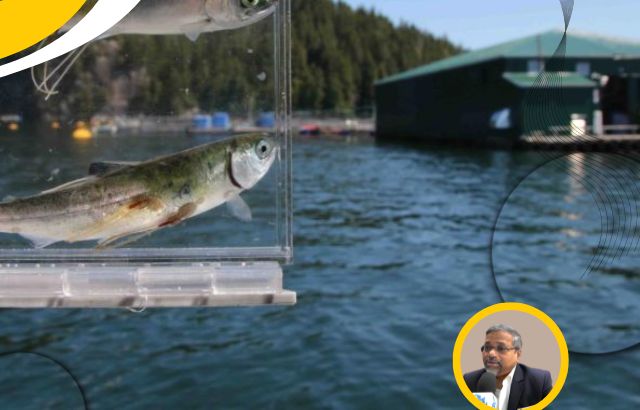
The economic costs of dealing with sea lice are staggering. A recent study in the Aquaculture Journal found that the cost of managing sea lice in salmon farms amounts to an average of $200 per ton of farmed salmon annually. This includes the expenses associated with chemical treatments, labor, and lost productivity due to health impacts on the fish.
Let’s break down the costs with a simple calculation:
- Farmed salmon production (per year): 100,000 tons
- Cost per ton for sea lice management: $200
- Total annual cost for sea lice control:
100,000 tons × $200/ton = $20 million
This doesn’t account for indirect costs such as the potential market price decline due to fish health issues, nor the long-term environmental costs of using pesticides and other treatments.
So, what’s the solution?
Green Innovation: Rethinking Farm Design to Combat Sea Lice
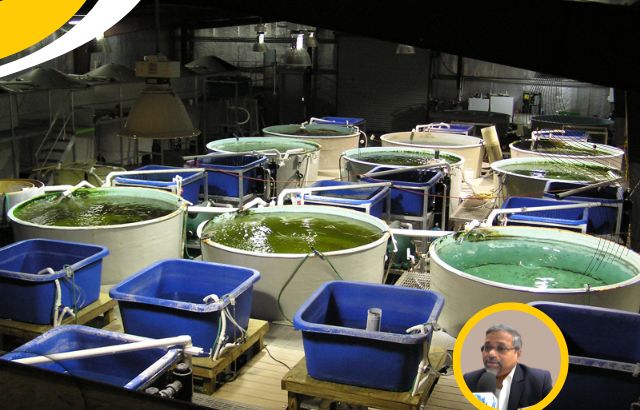
The key to combating sea lice lies in reimagining how we design fish farms. Instead of continually increasing the potency of chemical treatments, we need to create environments that are less conducive to sea lice in the first place. Here’s how farm design can make a difference:
- Closed-Loop Systems
Closed containment systems, such as land-based tanks and offshore submersible pens, provide a physical barrier to sea lice. These systems keep parasites from entering the pens, creating a safe space for fish. A notable example is the Atlantic Sapphire farm in Florida, which utilizes a land-based, closed-loop aquaculture system. These farms have seen significant reductions in sea lice infestations, thanks to their controlled environments. - Integrated Multi-Trophic Aquaculture (IMTA)
IMTA involves growing multiple species together in a single system, each benefiting from the other. For instance, certain species of fish or shellfish can help control the population of sea lice by consuming the larvae. The principle of IMTA is based on the idea of mimicking natural ecosystems, where each organism plays a role in maintaining balance. A project in Norway using IMTA principles has successfully reduced sea lice numbers while increasing biodiversity and farm sustainability. - Biosecurity and Natural Predation
Incorporating natural predators, such as wrasse (a type of fish that eats sea lice), into aquaculture farms has been shown to be effective in managing lice infestations. By creating environments where these fish can thrive, farms can reduce their reliance on chemical treatments. In Scotland, farmers are now deploying wrasse in their salmon pens as part of a larger strategy to combat lice. - Water Treatment and Filtration Systems
Another green innovation is improving water circulation and filtration systems to reduce parasite buildup in aquaculture pens. These systems can help ensure that parasites are less likely to find a suitable host and thrive. This technology is still in its early stages, but pilot programs in Canada and Chile are showing promise.
The Future of Aquaculture: A Green, Sustainable Approach
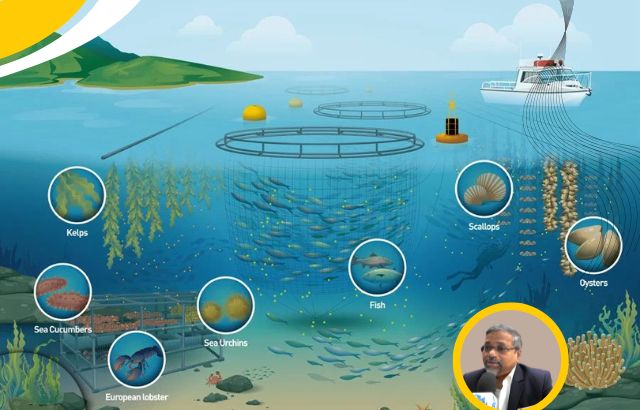
By embracing green innovation in farm design, we not only tackle the issue of sea lice more effectively but also create a more sustainable aquaculture industry. These solutions reduce the need for harmful chemicals, lower operational costs, and improve fish welfare—ultimately benefiting both the environment and the industry as a whole.
The next frontier of aquaculture doesn’t lie in fighting evolution with ever-stronger chemicals, but in using design, ecology, and innovation to work with nature. With the right systems in place, sea lice may no longer be the constant enemy they once were.
Frequently Asked Questions (FAQs)

Q1: Can closed-loop systems completely eliminate sea lice in aquaculture?
A1: While closed-loop systems significantly reduce the risk of sea lice infestations by preventing them from entering the pens, they don’t necessarily eliminate all risk. However, when combined with other practices such as IMTA and biological controls, they can dramatically reduce the problem.
Q2: How effective is Integrated Multi-Trophic Aquaculture (IMTA) in managing sea lice?
A2: IMTA has shown promising results in managing sea lice by creating a more balanced ecosystem within the farm. By introducing species that naturally prey on sea lice, such as wrasse, farmers have been able to reduce chemical treatments and maintain healthier fish populations.
Q3: What are the long-term benefits of switching to a sustainable farm design?
A3: In the long term, sustainable farm designs will reduce reliance on chemical treatments, lower operational costs, and improve fish health. This shift leads to more environmentally friendly operations, enhanced marketability for sustainably farmed seafood, and better resilience against evolving parasites.
Q4: Are these green innovations scalable for large commercial farms?
A4: Yes, many of these innovations are already being implemented at large scales. Closed-loop systems and IMTA are being used by major farms in Europe, North America, and Asia. While initial setup costs may be high, the long-term savings and environmental benefits make them a scalable solution.
About Jaiguru Kadam
Jaiguru Kadam is a Green Innovator and Aquaculture Systems Strategist with over 15 years of international experience in sustainable aquaculture. He specializes in designing aquaculture systems that maximize ecological efficiency while minimizing environmental impact. His work focuses on leveraging green technologies to address the pressing challenges facing the aquaculture industry, including sea lice infestations.