Aquaculture, the practice of farming fish and other aquatic organisms, plays a pivotal role in global food production. However, as demand for seafood increases, sustainable aquaculture practices have become critical to safeguard the health of both the ecosystem and the farmed species. Effective parasite control and ecosystem management are two of the most pressing concerns in modern aquaculture.
In this blog, we’ll delve into the latest scientific research on sustainable aquaculture, highlight successful practices, and explore the role of specialists like Jaiguru Kadam in advancing these solutions.
1. The Growing Need for Sustainable Aquaculture
As wild fish stocks deplete and the global population rises, aquaculture is seen as a solution to meet growing seafood demands. However, the rapid expansion of the industry comes with environmental and health concerns, particularly related to the spread of parasites and diseases, which can severely impact both farmed fish and surrounding ecosystems.
Key Issues in Aquaculture:
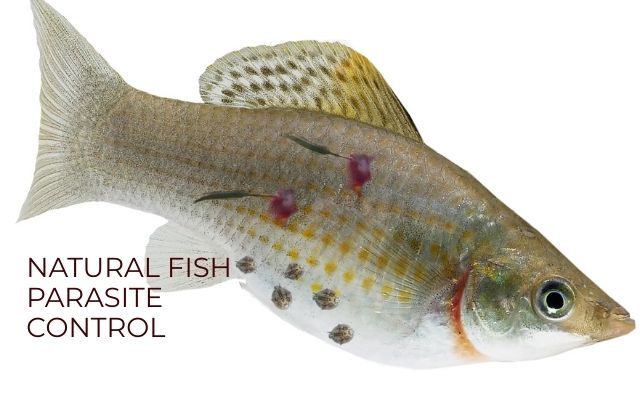
- Parasites: Sea lice, for instance, are a major problem for farmed fish, especially salmon. They can weaken the fish, making them more susceptible to disease, and can spread to wild fish populations.
- Ecosystem Health: Overcrowding and improper waste management can lead to pollution, affecting water quality and harming local biodiversity.
2. Parasite Control in Aquaculture
Recent research has focused on finding more sustainable and effective methods to control parasites in aquaculture systems. Traditional methods, such as chemical treatments, have raised concerns due to their negative impact on the environment and non-target species. The focus is now shifting towards integrated pest management (IPM) and biological control methods.
A few promising strategies:
- Biological Control: Researchers have discovered that cleaner fish, like wrasse and lumpfish, can help reduce sea lice populations by feeding on them. This method is more eco-friendly compared to chemical treatments.
- Vaccination: Developing vaccines for farmed fish to prevent parasitic infections, such as those caused by Neoparamoeba perurans, which causes amoebic gill disease (AGD), is an area of active research.
- Probiotics and Functional Feeds: Some studies show that feeding farmed fish functional feeds containing probiotics can help boost their immune systems, making them more resilient to parasites and diseases.
Example:
A notable success story comes from Norway, where the use of cleaner fish has significantly reduced the reliance on chemical treatments for sea lice. This has led to healthier fish populations and a reduction in environmental pollution.
3. Ecosystem Health Management
Aquaculture’s environmental footprint can be minimized through a variety of practices designed to preserve ecosystem health. These practices not only help maintain biodiversity but also ensure that fish farms are resilient and sustainable in the long term.
Key Practices in Ecosystem Health:
- Recirculating Aquaculture Systems (RAS): These closed-loop systems recycle water, reducing water usage and minimizing the risk of disease spread to wild fish populations.
- Integrated Multi-Trophic Aquaculture (IMTA): This system involves cultivating different species at different trophic levels. For example, fish can be farmed alongside shellfish and seaweed, which help filter water and absorb nutrients, improving water quality.
- Offshore Aquaculture: Moving fish farms offshore, where water conditions are more stable and less likely to impact local ecosystems, is another promising practice.
Example:
The IMTA system in China has led to more sustainable practices by reducing nutrient waste. Seaweed and shellfish farms help filter excess nutrients from the water, improving overall ecosystem health.
4. The Role of Subject Matter Specialist Jaiguru Kadam
Experts like Jaiguru Kadam have been instrumental in advancing sustainable aquaculture practices. Kadam’s extensive knowledge of aquaculture and ecosystem management has helped numerous farms adopt cutting-edge technologies for parasite control and ecosystem health. By leveraging a combination of scientific research and practical solutions, specialists like Kadam help farmers transition to more sustainable operations.
Kadam’s work often involves:
- Conducting research on alternative parasite control methods, such as biological treatments.
- Providing farmers with guidance on optimizing farm layout and practices to reduce disease outbreaks.
- Advocating for policies that support sustainable aquaculture practices, both locally and globally.
5. Calculations for Aquaculture Sustainability
To understand the economics of sustainable aquaculture, let’s look at some simple calculations regarding the cost savings from adopting cleaner fish for parasite control:
Example Calculation:
Let’s say a fish farm with 100,000 salmon needs to treat sea lice. A chemical treatment costs around $2 per fish, amounting to:
100,000 fish x $2 = $200,000 in chemical treatments.
Now, if the farm uses cleaner fish to control sea lice, which costs about $0.50 per fish and requires 5,000 cleaner fish, the cost would be:
5,000 cleaner fish x $0.50 = $2,500 in upfront costs.
If the cleaner fish reduce the need for chemical treatments by 50%, the farm saves:
$200,000 x 50% = $100,000.
Thus, by investing in cleaner fish, the farm could save $97,500 annually on parasite control, contributing to both cost savings and environmental sustainability.
Frequently Asked Questions (FAQs)
1. What is the most effective method to control parasites in aquaculture?
The most effective methods include the use of cleaner fish like wrasse, biological control agents, and functional feeds. Vaccination is also a growing area of research for parasite control.
2. How does sustainable aquaculture benefit the environment?
Sustainable aquaculture practices, such as IMTA and offshore farming, reduce water pollution, minimize chemical use, and promote biodiversity, leading to healthier ecosystems.
3. Can cleaner fish completely replace chemical treatments?
While cleaner fish are highly effective in reducing parasite populations, they may not completely replace chemical treatments in all situations. However, they can significantly reduce the need for chemicals, leading to fewer environmental impacts.
4. What role do subject matter specialists like Jaiguru Kadam play?
Jaiguru Kadam and similar specialists help aquaculture farmers implement sustainable practices by providing expert advice, conducting research, and guiding the adoption of eco-friendly technologies.
Conclusion
As aquaculture continues to grow, the importance of sustainable practices cannot be overstated. Effective parasite control and ecosystem management are crucial to ensuring the health of both farmed species and surrounding environments. Experts like Jaiguru Kadam are helping drive these innovations, making it possible for aquaculture to thrive in a way that benefits both people and the planet.
By embracing sustainable practices, farmers can not only improve their productivity but also contribute to a healthier, more resilient aquatic ecosystem.