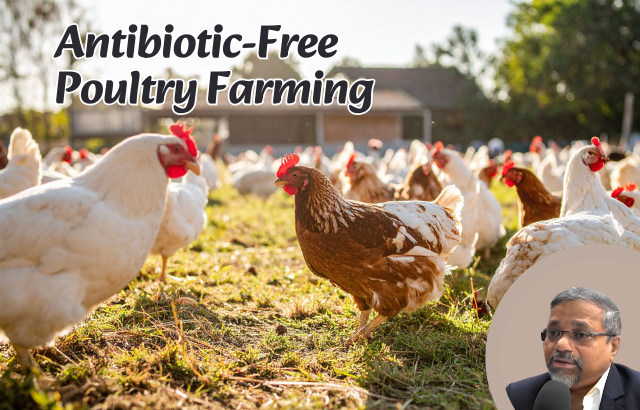
In recent years, the agricultural industry has witnessed a significant shift towards antibiotic-free practices in poultry farming. This transition stems from growing consumer demand for healthier and more sustainable food options. As a green innovator in the field, I believe it’s crucial to explore the challenges and benefits associated with this movement, as well as highlight alternative strategies for effective disease management.
Antibiotic-Free Poultry Farming -Understanding the Challenges

Transitioning to antibiotic-free poultry farming presents several challenges:
- Disease Management: Without antibiotics, farmers must adopt proactive disease prevention strategies. This includes stringent biosecurity measures to prevent disease introduction and spread within flocks.
- Initial Costs: Implementing alternative disease management strategies may involve higher initial costs for farmers. This includes investments in infrastructure, training, and research into alternative treatments.
- Learning Curve: Farmers and agricultural professionals need to educate themselves about new methods and technologies that can effectively replace antibiotics.
Antibiotic-Free Poultry Farming – Benefits of Antibiotic-Free Practices
Despite these challenges, the benefits of antibiotic-free poultry farming are compelling:
- Healthier Products: Consumers increasingly prefer poultry products raised without antibiotics due to concerns about antibiotic resistance and personal health.
- Market Demand: Meeting consumer preferences for antibiotic-free products opens new market opportunities and enhances brand reputation.
- Environmental Impact: Reduced use of antibiotics contributes to environmental sustainability by minimizing antibiotic residues in soil and water.
Alternative Strategies for Disease Management
As a green innovator, I advocate for exploring and implementing alternative strategies for disease management in poultry farming:
- Probiotics and Prebiotics: These supplements promote beneficial gut bacteria in poultry, boosting immunity and reducing the need for antibiotics.
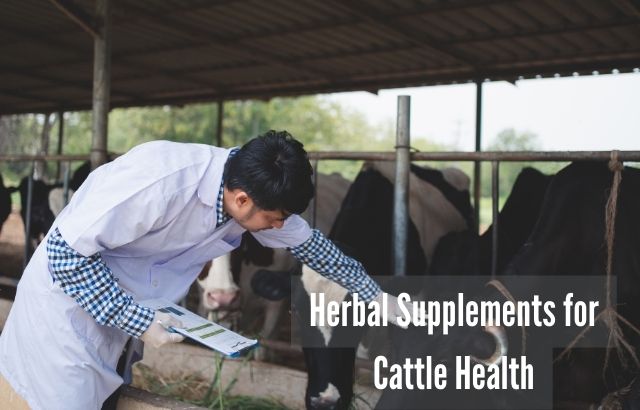
- Herbal Supplements: Natural herbs and plant extracts have antimicrobial properties that can help prevent and treat diseases in poultry.
- Vaccination Programs: Developing robust vaccination programs tailored to specific disease challenges can significantly reduce the incidence of infections.
- Improved Housing and Hygiene: Enhancing poultry housing conditions and maintaining strict hygiene practices can minimize stress and disease outbreaks.
Case Studies in Antibiotic-Free Farming
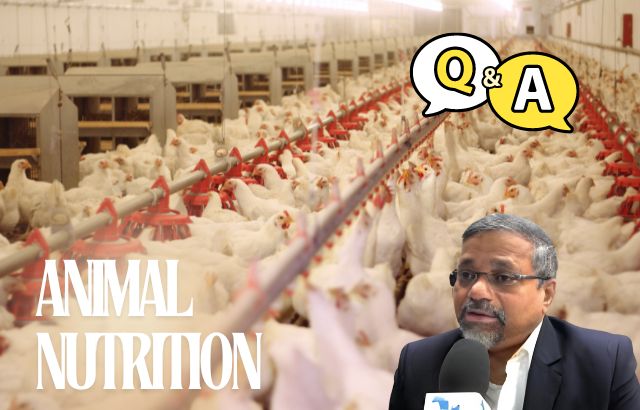
Case Study: Company A
Background: Company A, a medium-sized poultry farm, faced increasing pressure to reduce antibiotic use due to consumer demand for antibiotic-free poultry products. They recognized the importance of maintaining flock health and productivity while minimizing antibiotic usage.
Strategy: Company A implemented a comprehensive probiotic program as an alternative to antibiotics. Probiotics are live microorganisms that, when administered in adequate amounts, confer health benefits to the host. They selected a specific blend of probiotic strains known to support gut health and boost immunity in poultry.
Implementation Details:
- Selection of Probiotics: After extensive research and consultation with poultry nutritionists and veterinarians, Company A chose probiotic strains known for their efficacy in poultry health.
- Feeding Regimen: Probiotics were incorporated into the poultry’s feed at optimal concentrations and frequencies to ensure maximum effectiveness.
- Monitoring and Adjustment: Regular monitoring of flock health indicators such as mortality rates, growth performance, and disease incidence allowed Company A to adjust probiotic dosages as needed.
Results:
- Reduced Antibiotic Use: The probiotic program successfully reduced antibiotic use by an impressive 70%. This reduction was achieved without compromising the overall health or productivity of the poultry flock.
- Improved Health and Productivity: Poultry in Company A’s farm demonstrated improved gut health, enhanced disease resistance, and better growth rates. This translated into higher-quality poultry products that met the market demand for antibiotic-free options.
- Consumer Satisfaction: Consumers responded positively to Company A’s antibiotic-free poultry products, appreciating the farm’s commitment to sustainable and responsible farming practices.
Case Study: Farm B
Background: Farm B, a family-owned organic poultry farm, aimed to enhance disease resistance and improve the overall quality of their poultry products without relying on antibiotics. They sought natural and sustainable alternatives to promote poultry health and welfare.
Strategy: Farm B decided to integrate herbal extracts into their poultry’s feed regimen as an alternative to antibiotics. Herbal extracts are derived from various plants known for their antimicrobial and immune-boosting properties.
Implementation Details:
- Selection of Herbal Extracts: Farm B collaborated with herbal experts and agricultural scientists to identify potent herbal extracts with proven benefits in poultry health.
- Feed Formulation: The selected herbal extracts were carefully incorporated into the poultry feed formulation at precise concentrations to ensure efficacy.
- Trial and Adjustment: Initially, Farm B conducted trials to determine the optimal dosage and frequency of herbal extract supplementation. They monitored poultry health closely and adjusted their approach based on observed outcomes.
Results:
- Enhanced Disease Resistance: Poultry at Farm B exhibited improved disease resistance and resilience to common infections. This was attributed to the immune-boosting properties of the herbal extracts.
- Higher-Quality Products: The integration of herbal extracts contributed to the production of higher-quality poultry products, characterized by improved meat quality and reduced incidence of health-related issues.
- Environmental Benefits: By reducing reliance on antibiotics, Farm B minimized the environmental impact associated with antibiotic residues in soil and water, aligning with their commitment to sustainable farming practices.
These case studies illustrate the successful implementation of antibiotic-free practices in poultry farming through innovative approaches such as probiotic supplementation and herbal extract integration. Both Company A and Farm B have demonstrated that it is possible to maintain poultry health and productivity while reducing reliance on antibiotics. Their experiences provide valuable insights and serve as examples for other poultry farms looking to adopt sustainable and consumer-driven practices in the agricultural industry.
Here are some unique FAQs and interesting statistics related to antibiotic-free poultry farming that aren’t often highlighted in other sources:
Frequently Asked Questions (FAQs)

1. How long does it take to see results from probiotic supplementation in poultry?
Probiotic programs can begin showing noticeable improvements in poultry health within 2–4 weeks, with more significant long-term benefits in immunity and growth performance observed after 8–12 weeks. However, monitoring and gradual adjustments are essential for success.
2. Are there any specific strains of probiotics that work best for poultry?
Yes, certain strains like Lactobacillus acidophilus, Bifidobacterium animalis, and Enterococcus faecium have been shown to be particularly beneficial for poultry. These strains support gut health, reduce pathogenic bacteria, and enhance immune function.
3. How much more expensive is antibiotic-free poultry farming compared to traditional methods?
While initial costs for antibiotic-free practices (such as investing in probiotics, herbal supplements, or improved housing) can be 10–20% higher, these costs are often offset by reduced antibiotic usage, lower disease outbreaks, and improved market prices for antibiotic-free products.
4. Can organic farming techniques be used alongside antibiotic-free farming?
Yes, many antibiotic-free farms are also certified organic. Organic farming principles align well with antibiotic-free practices, especially in areas like promoting biodiversity, using natural disease control methods (e.g., herbal extracts, rotation grazing), and enhancing soil health.
5. What role do environmental factors (like air quality and space) play in reducing the need for antibiotics?
Improved housing conditions with better ventilation, space per bird, and access to natural light have been linked to reduced stress and improved immune function in poultry, resulting in fewer disease outbreaks and less need for antibiotics.
6. Can antibiotic-free farming methods completely replace antibiotics in poultry?
While it’s possible to significantly reduce or even eliminate antibiotic use, there may be rare situations where antibiotics are still necessary (e.g., outbreaks of severe bacterial infections). However, these instances are much less frequent with a robust alternative disease management plan in place.
7. How does the public perception of antibiotic-free poultry farming affect sales?
Consumer preference for antibiotic-free poultry has been increasing. Studies have shown that over 70% of consumers are willing to pay a premium for antibiotic-free or “antibiotic-free raised” poultry products, boosting demand and improving profitability for farms that transition to these practices.
Surprising Data: The Impact of Antibiotic-Free Practices on Poultry Farming

1. Probiotic impact on antibiotic reduction:
Farms that implement probiotic supplementation have reported a 70% reduction in the use of antibiotics, without compromising overall poultry health or production. Some studies have shown that in some cases, probiotic use can improve productivity by 15–20% compared to conventional methods.
2. Herbal extracts’ effectiveness:
Herbal extracts, such as oregano oil and garlic, have been shown to reduce infection rates by up to 50% in some poultry farms. These herbs also improve immune function, resulting in healthier poultry with fewer disease incidences.
3. Environmental savings with reduced antibiotic use:
In regions that have reduced antibiotic usage in poultry farming, antibiotic residues in soil and water have been reduced by as much as 30–40%. This contributes to a lower environmental impact and decreases the risk of antibiotic resistance genes entering ecosystems.
4. Consumer preferences:
Surveys suggest that over 60% of consumers actively seek out antibiotic-free poultry products, indicating a significant shift in consumer behavior towards more sustainable and health-conscious food choices. Additionally, 40% of millennials say they would stop purchasing poultry products from companies that use antibiotics in production.
5. Economic performance of antibiotic-free farms:
Farmers who transition to antibiotic-free practices often see an increase in market price for their products, with a premium of 15-30% on antibiotic-free poultry, making it a lucrative strategy in the long term. Many farmers also report higher consumer loyalty and brand recognition.
6. Impact on flock health:
Poultry farms that reduce antibiotic use and implement disease prevention strategies like probiotics and better housing report a 25% decrease in mortality rates and 15-20% lower incidence of diseases such as coccidiosis and respiratory infections.
7. Market growth of antibiotic-free poultry:
The global market for antibiotic-free poultry products is expected to grow at a rate of 8-10% annually over the next decade. This growth is driven by increasing consumer awareness and rising demand for antibiotic-free meat in both domestic and international markets.
Conclusion
Antibiotic-free poultry farming represents a positive step towards sustainable agriculture, addressing consumer concerns and promoting healthier farming practices. While challenges exist, innovative strategies and advancements in disease management offer viable solutions. As green innovators, it’s our responsibility to lead by example, advocating for practices that benefit both poultry welfare and the environment.
By embracing antibiotic-free practices and exploring alternative disease management strategies, we can contribute to a more sustainable future for poultry farming while meeting the demands of conscientious consumers worldwide.