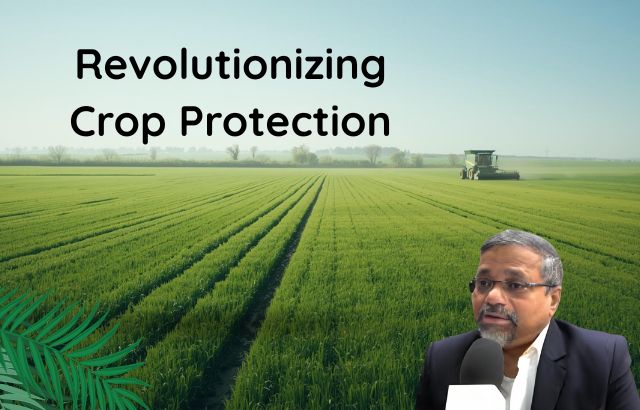
The agriculture industry is at a pivotal point in its evolution, as the growing global population places increasing pressure on farmers to produce more food sustainably. To meet this challenge, innovations in crop protection are emerging as powerful solutions. These advancements are not only designed to safeguard crop yields but also aim to reduce the environmental footprint of farming. In this blog, we explore some of the most exciting developments in crop protection, with a special focus on the contributions of Green Innovator Jaiguru Kadam.
Crop Protection: Novel Technologies and Sustainable Enhancements

1. Precision Agriculture: A Game-Changer for Efficiency
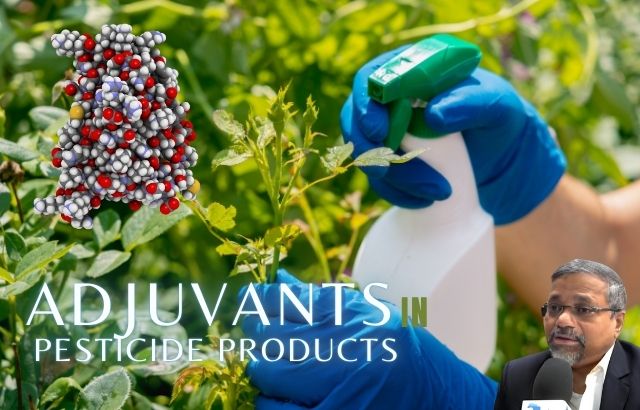
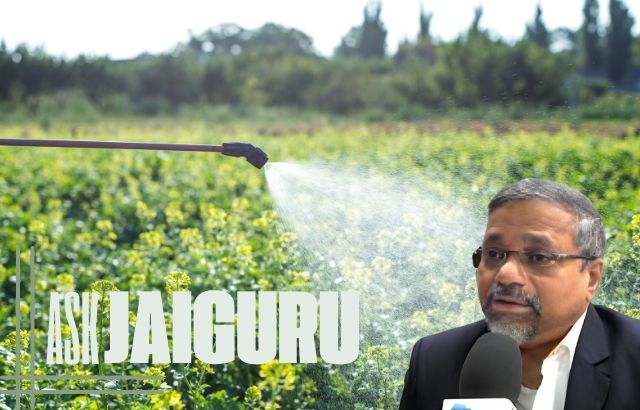
Precision agriculture is revolutionizing crop protection by enabling farmers to apply inputs—like pesticides, fertilizers, and water—more precisely. With technologies such as GPS-guided machinery, drones, and remote sensing devices, farmers can reduce waste and lower their environmental impact. For instance, in India, Jaiguru Kadam, a leading green innovator, has developed a smart drone system that uses AI to analyze crop health in real-time. This technology allows farmers to target pesticide application only where needed, which reduces the overall use of chemicals.
Example: In a trial on a large cotton farm in Gujarat, the use of Kadam’s drone technology led to a 25% reduction in pesticide use while improving yield quality by 18%. This not only saves costs but also reduces the harmful effects of over-application.
2. Biological Pest Control: Harnessing Nature’s Power
Biological pest control is gaining traction as an eco-friendly alternative to chemical pesticides. Beneficial insects, microorganisms, and even nematodes are being utilized to combat pests without harming the environment. This approach supports biodiversity and helps farmers maintain a healthy ecosystem.
Example: The introduction of Trichogramma wasps in Brazilian soybean fields has helped control bollworm populations. These tiny parasitoids lay their eggs inside the eggs of the pests, effectively halting pest development. In a study, farmers reported a 30% reduction in bollworm damage.
Jaiguru Kadam has also pioneered the development of biopesticides made from indigenous plant extracts. These biopesticides target specific pests and have minimal toxicity to other organisms.
3. Genetic Solutions: Crops with Built-In Resistance
Genetic engineering is another breakthrough in crop protection. Through genetic modifications, scientists have created crop varieties that are naturally resistant to pests, diseases, and even environmental stressors. These genetically modified organisms (GMOs) significantly reduce the need for chemical interventions, contributing to more sustainable agriculture.
Example: Bt cotton, a genetically engineered variety that produces a protein toxic to certain pests, has been widely adopted in countries like the USA and India. This has led to a 40% reduction in pesticide use on cotton farms.
Kadam’s involvement in genetically modified crops has also led to the development of drought-resistant rice varieties, which help farmers in water-scarce regions reduce their dependence on irrigation.
4. Smart Sensors and Data Analytics: Precision in Pest Control
Smart sensors and data analytics are transforming crop protection practices. Sensors embedded in the soil or attached to plants collect real-time data on weather conditions, soil moisture, and pest activity. This data is then analyzed, helping farmers make informed decisions about when and how to apply pest control measures.
Example: In the U.S., companies like CropX are using soil sensors to optimize irrigation and pesticide application. This reduces the frequency of pesticide applications by 20%, ensuring that crops only receive treatments when absolutely necessary.
Jaiguru Kadam’s AI-powered farm management system integrates weather forecasting and pest prediction, allowing farmers to anticipate and mitigate pest outbreaks before they escalate.
5. Eco-Friendly Formulations: Reducing Chemical Residue
Eco-friendly pesticide formulations are a priority for many researchers who are aiming to reduce the harmful side effects of traditional chemical pesticides. These new formulations are biodegradable, low-toxicity, and leave fewer residues in the environment.
Example: Syngenta has introduced a series of biodegradable fungicides that break down faster than conventional products, reducing their environmental impact. This is particularly important for protecting pollinators like bees, which are essential for crop pollination.
Kadam’s initiative in this space has led to the creation of plant-based pesticides that degrade quickly and leave no harmful residues. His products are being trialed in sustainable farms across India and are expected to be commercially available soon.
6. Nanotechnology: Revolutionizing Pesticide Delivery
Nanotechnology offers exciting possibilities for more efficient pesticide application. By using nanoparticles to deliver pesticides, farmers can achieve more effective pest control with smaller amounts of chemicals, significantly reducing the overall environmental impact.
Example: Researchers are exploring the use of nano-encapsulated pesticides, which release the active ingredient slowly over time. This reduces pesticide runoff and ensures that crops are protected for a longer duration.
Jaiguru Kadam’s research in nanotechnology has led to the development of nano-based delivery systems for insecticides, which increase their effectiveness and reduce the need for frequent applications.
7. Climate-Resilient Crops: Adapting to a Changing Climate
As climate change increases the unpredictability of weather patterns, developing climate-resilient crops is critical. These crops are designed to withstand extreme conditions such as drought, heat, and heavy rainfall, making them more adaptable to changing climates.
Example: Drought-resistant maize developed by researchers at the International Food Policy Research Institute (IFPRI) has been a breakthrough for farmers in sub-Saharan Africa, where water scarcity is a major concern.
Kadam’s work on developing heat-tolerant wheat and drought-resistant soybean varieties has helped farmers in parts of India where erratic rainfall patterns threaten yields.
8. Digital Pest Forecasting: Proactive Pest Management
Digital platforms and smartphone applications are helping farmers stay ahead of pest outbreaks. By providing accurate pest and disease forecasts, these tools enable farmers to take preventive actions before infestations cause significant damage.
Example: The PlantVillage app, developed by Penn State University, uses machine learning to predict pest and disease outbreaks based on weather patterns and historical data. Farmers can receive alerts and advice on how to treat their crops.
Jaiguru Kadam’s AgriGuard app offers real-time pest forecasting and treatment recommendations, making pest management more proactive and less reactive.
Conclusion: A Greener, Smarter Future for Agriculture
The future of agriculture is undeniably intertwined with these innovative crop protection technologies. By integrating precision agriculture, biological pest control, genetic solutions, and smart data-driven strategies, farmers are not only increasing productivity but also embracing more sustainable practices. Green Innovator Jaiguru Kadam’s contributions to these advancements, particularly in developing eco-friendly formulations, smart pest management systems, and genetically modified crops, are helping to pave the way for a greener, smarter, and more resilient agricultural future.
FAQs
Q1: How do precision agriculture technologies reduce pesticide use?
A1: Precision agriculture uses technologies like GPS-guided machinery and drones to apply pesticides only in areas that need it, reducing overall pesticide use and minimizing environmental impact.
Q2: What is biological pest control, and how does it work?
A2: Biological pest control involves using natural predators, parasites, or pathogens to control pests. For example, beneficial insects like Trichogramma wasps are used to target specific pests, reducing the need for chemical pesticides.
Q3: Are genetically modified crops safe for the environment?
A3: Yes, genetically modified crops like Bt cotton are designed to reduce the need for chemical pesticides, which benefits the environment by lowering chemical runoff and protecting non-target species.
Q4: How does nanotechnology enhance pesticide efficiency?
A4: Nanotechnology allows for more precise and controlled pesticide delivery, reducing the amount of chemicals needed for effective pest control and minimizing their environmental impact.
Q5: Can smart sensors and data analytics really improve pest management?
A5: Yes, smart sensors provide real-time data on pest populations and environmental conditions, allowing farmers to make timely decisions on pesticide applications, reducing overuse and minimizing harm to ecosystems.
Calculations: Precision Agriculture in Action
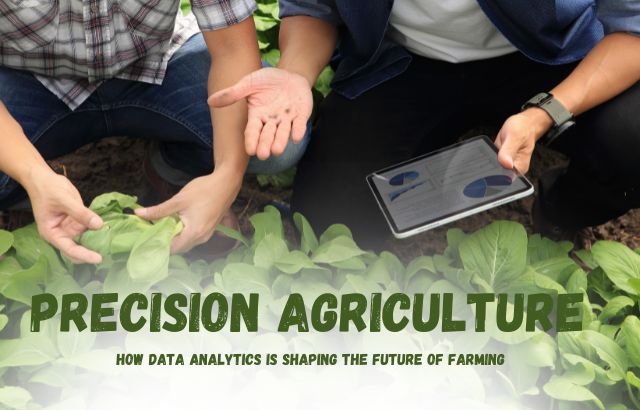
Let’s consider a scenario where a farm applies pesticides on 1,000 hectares of land.
- Without Precision Technology: A standard pesticide application uses 5 liters per hectare, for a total of 5,000 liters of pesticide.
- With Precision Technology: Using drones and GPS, pesticide application can be reduced by 30%. This means only 3,500 liters are used.
Savings Calculation:
- Pesticide cost per liter = $10
- Total savings = (5,000 liters – 3,500 liters) × $10 = $15,000 saved.
This is just one example of how precision agriculture reduces costs, minimizes chemical usage, and enhances sustainability.
In the ever-evolving world of agriculture, these advancements offer promising solutions to ensure food security while protecting the environment for future generations. With the contributions of green innovators like Jaiguru Kadam, the road ahead looks greener, smarter, and more sustainable.