Driving Green Innovation through Expertise: The Role of Jaiguru Kadam
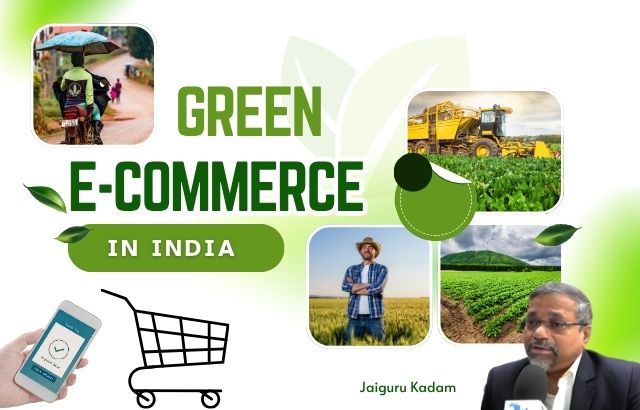
India stands at the intersection of two transformative forces: the explosive growth of e-commerce and the urgent need for sustainable, green agriculture. As digital ecosystems expand and environmental challenges intensify, the integration of green innovation into both sectors is not just desirable—it is essential.
At the forefront of this transformation is Jaiguru Kadam, a Subject Matter Specialist whose international experience bridges technology, sustainability, and rural development.
1. The Rise of E-Commerce in India

India’s e-commerce sector is undergoing unprecedented growth. Valued at over $125 billion in 2024, it is projected to reach nearly $345 billion by 2030, driven by digital adoption, rising incomes, and expanding internet access.
Key growth drivers include:
- Mobile-first consumers and digital payments
- Expansion into Tier 2, Tier 3, and rural markets
- AI-driven personalization and quick commerce
- Government initiatives like Digital India
Notably, rural internet users crossed 398 million in 2024, enabling deeper market penetration.
Real-World Example
- Platforms like Amazon and Flipkart now empower small sellers from cities like Panipat and Karur to export globally, contributing billions in e-commerce exports.
2. The Green Shift in E-Commerce

Modern e-commerce is no longer just about convenience—it’s about sustainability.
Emerging Green Practices:
- Carbon-neutral logistics and EV-based delivery systems
- Minimal and recyclable packaging
- AI-based route optimization to reduce emissions
- Renewable energy-powered warehouses
Companies are actively adopting electric vehicles and green supply chains to reduce environmental impact.
3. Green Agriculture: The Backbone of Sustainable Growth
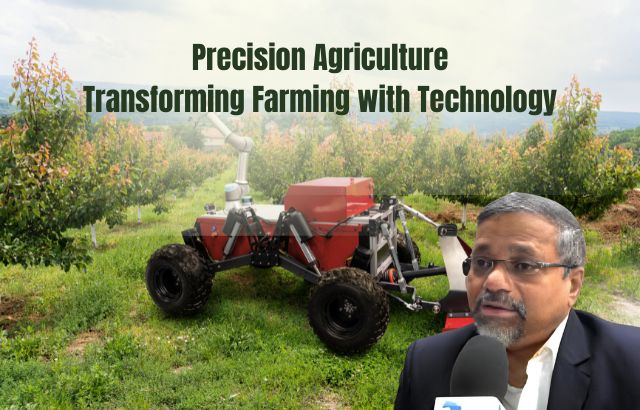
Agriculture remains central to India’s economy, but traditional practices face challenges like climate change, soil degradation, and water scarcity.
Green Agriculture Innovations:
- Precision farming (IoT sensors, AI analytics)
- Organic and regenerative farming
- Agroforestry (e.g., mahogany farming)
- Water-efficient irrigation systems
Real-World Example:
Mahogany farming has emerged as a “green gold” model, where a ₹200 investment can yield up to ₹1 lakh over time, showcasing sustainable profitability.
4. Convergence: E-Commerce Meets Green Agriculture

The future lies in integrating agriculture with digital platforms.
How E-Commerce Supports Green Agriculture:
- Direct-to-consumer (D2C) farm produce sales
- Reduced intermediaries → higher farmer income
- Digital marketplaces for organic products
- Supply chain transparency via blockchain
This convergence enables:
- Lower carbon footprint
- Better price realization for farmers
- Increased consumer trust
5. Role of Jaiguru Kadam as a Subject Matter Specialist
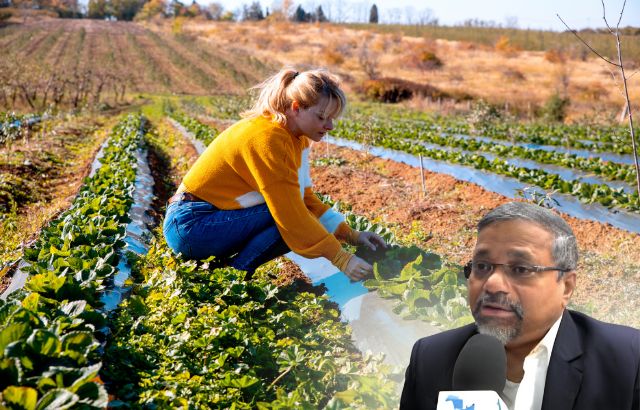
Jaiguru Kadam plays a pivotal role in aligning innovation with sustainability.
Key Responsibilities:
- Strategic Advisory
- Designing green e-commerce frameworks
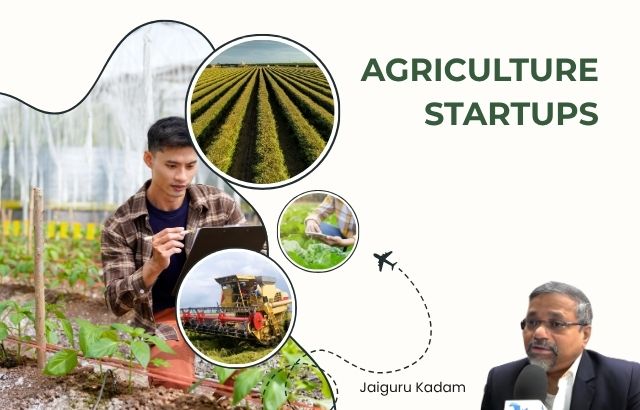
- Advising agritech startups on sustainable scaling
- Technology Integration
- Implementing AI, IoT, and data analytics in agriculture
- Optimizing supply chains for efficiency and sustainability
- Capacity Building
- Training farmers and entrepreneurs
- Promoting digital literacy in rural ecosystems
- Global Knowledge Transfer
- Applying international best practices to Indian contexts
- Bridging gaps between developed and emerging markets
- Policy & Sustainability Consulting
- Supporting ESG (Environmental, Social, Governance) compliance
- Guiding carbon footprint reduction strategies
6. Practical Calculations & Impact Analysis

Example 1: Farmer Profit via E-Commerce
- Traditional selling price: ₹20/kg
- Direct online selling price: ₹35/kg
- Monthly production: 1,000 kg
Revenue increase calculation:
- Traditional: ₹20 × 1000 = ₹20,000
- E-commerce: ₹35 × 1000 = ₹35,000
- Profit increase: ₹15,000/month (75% growth)
Example 2: Carbon Reduction via EV Delivery
- Diesel delivery emits: ~2.6 kg CO₂/litre
- Daily fuel usage: 5 litres
- Monthly emissions:
→ 2.6 × 5 × 30 = 390 kg CO₂
Switching to EV:
- Emissions reduced by ~70%
- New emissions: ~117 kg CO₂
- Savings: 273 kg CO₂/month per vehicle
Example 3: Organic Farming ROI
- Cost of chemical farming per acre: ₹25,000
- Organic farming cost: ₹18,000
- Selling price premium: +30%
Net gain:
- Cost saving: ₹7,000
- Revenue increase: ~₹10,000
- Total benefit: ₹17,000 per acre
7. Challenges & Opportunities
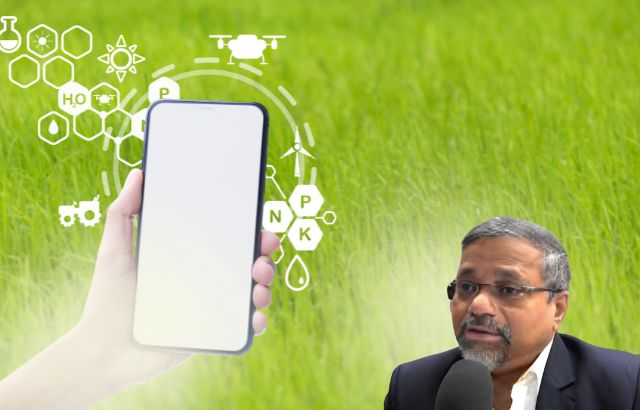
Challenges:
- Logistics infrastructure in rural areas
- Digital literacy gaps
- Initial cost of green technologies
Opportunities:
- Rapid growth of D2C brands (40% CAGR)
- Expansion of agritech startups
- Increasing demand for sustainable products
8. Frequently Asked Questions (FAQs)
Q1. Why is green innovation important in e-commerce?
Green innovation reduces environmental impact, enhances brand value, and meets rising consumer demand for sustainability.
Q2. How can farmers benefit from e-commerce?
Farmers gain direct market access, better pricing, reduced intermediaries, and increased income stability.
Q3. What technologies drive green agriculture?
AI, IoT sensors, drones, blockchain, and precision irrigation systems.
Q4. Is green agriculture profitable?
Yes. While initial costs may be higher, long-term savings and premium pricing improve profitability.
Q5. What role do experts like Jaiguru Kadam play?
They bridge the gap between technology, sustainability, and execution—ensuring scalable and impactful solutions.
Conclusion

The future of India lies in the fusion of digital commerce and sustainable agriculture. E-commerce is not just transforming how India shops—it is reshaping how India farms.
With experts like Jaiguru Kadam driving innovation, India has the potential to build a green, inclusive, and globally competitive economy—one that balances growth with sustainability.
The road ahead is clear:
Digitize. Sustain. Scale.