Sustainability is no longer a choice—it is a necessity. Industries worldwide are shifting from conventional chemical processes toward green chemistry and environmentally responsible solutions. One of the professionals contributing to this transition is Green Innovator Jaiguru Kadam, a subject matter specialist with extensive international experience in green solvents, eco-friendly surfactants, and sustainable chemical technologies.
This article explores green innovation, the role of green solvents and green surfactants/adjuvants, and highlights practical examples, calculations, and frequently asked questions related to sustainable chemical solutions.
Who is Jaiguru Kadam?
Jaiguru Kadam is recognized as a green innovation strategist and subject matter specialist in sustainable chemistry and industrial applications. His work focuses on:
- Development of environmentally friendly solvents
- Designing bio-based surfactants and agricultural adjuvants
- Supporting industries in reducing toxic chemical footprints
- Advising organizations on green chemistry implementation
Key Roles in Green Innovation
- Green Chemistry Consultant
Helping industries replace hazardous solvents with biodegradable alternatives. - Sustainability Strategist
Assisting companies in reducing carbon emissions and chemical waste. - Technical Specialist for Agrochemical Formulations
Developing green adjuvants and surfactants to improve pesticide efficiency while reducing environmental impact. - International Collaboration Expert
Working with research teams and industries across countries to implement sustainable technologies.
Understanding Green Solvents
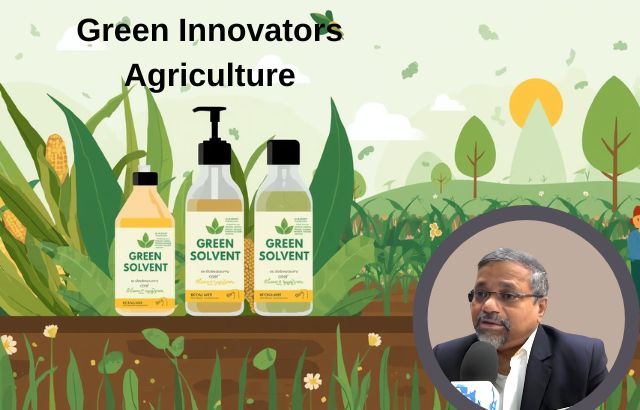
What Are Green Solvents?
Green solvents are environmentally friendly liquids used in chemical processes that minimize toxicity, pollution, and environmental harm.
Traditional solvents such as toluene, benzene, and chlorinated solvents are often hazardous. Green solvents aim to replace these with safer, biodegradable, and renewable alternatives.
Common Types of Green Solvents
- Bio-based solvents (derived from plants)
- Water-based solvents
- Supercritical CO₂
- Ionic liquids
- Deep eutectic solvents
Example: Replacing a Conventional Solvent
Suppose a manufacturing plant uses:
- 1000 kg of toluene per month
Toluene toxicity factor (example estimate):
- Hazard index = 3.5
A green solvent alternative has:
- Hazard index = 0.8
Risk Reduction Calculation
Risk reduction:
[
Reduction = \frac{3.5 – 0.8}{3.5} \times 100
]
[
Reduction ≈ 77%
]
Result:
Replacing the solvent reduces environmental hazard by approximately 77%.
This kind of analysis is commonly used in green chemistry assessments.
Green Surfactants and Adjuvants

What Are Green Surfactants?
Surfactants are chemicals that reduce surface tension, helping substances mix more effectively.
They are widely used in:
- Agriculture (pesticides)
- Detergents
- Industrial cleaning
- Pharmaceuticals
- Cosmetics
Green surfactants are:
- Biodegradable
- Low toxicity
- Derived from renewable resources
Examples include:
- Alkyl polyglucosides (APG)
- Biosurfactants (rhamnolipids, sophorolipids)
- Plant-based surfactants
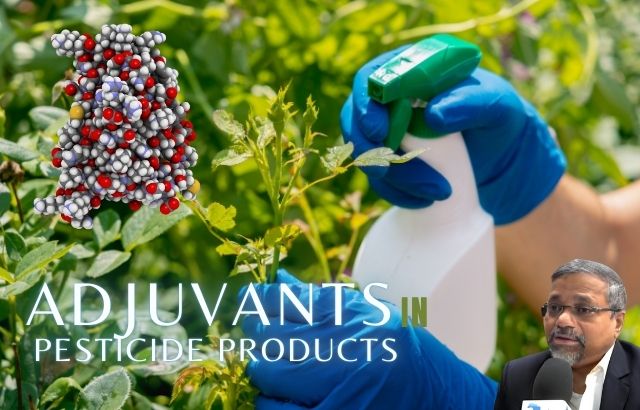
Role of Green Adjuvants in Agriculture
Adjuvants enhance the performance of pesticides or fertilizers.
Green adjuvants help by:
- Improving spray spreading
- Enhancing absorption
- Reducing chemical dosage
- Minimizing environmental contamination
Practical Example
A pesticide formulation normally requires:
- 1.0 L pesticide per hectare
With an advanced green adjuvant system:
- Efficiency improves by 30%
New pesticide requirement:
[
1.0 \times (1 – 0.30) = 0.7 \text{ L per hectare}
]
Result
For 1000 hectares:
Traditional use:
[
1000 \times 1.0 = 1000 L
]
With green adjuvant:
[
1000 \times 0.7 = 700 L
]
Savings:
[
1000 – 700 = 300 L
]
This means:
- 30% reduction in pesticide use
- Lower cost
- Reduced environmental impact
Innovation Areas Explored by Jaiguru Kadam
1. Bio-Based Surfactant Development
Plant-derived molecules are engineered to produce surfactants that:
- degrade naturally
- perform comparably to synthetic surfactants
- reduce aquatic toxicity
2. Sustainable Agrochemical Formulations
Focus areas include:
- spray drift reduction
- improved pesticide delivery
- reduced chemical dosage
This improves agricultural sustainability and farmer safety.
3. Green Process Optimization
Industrial chemical processes are redesigned to:
- reduce solvent consumption
- lower energy use
- improve product yield
Example: Green Process Efficiency Calculation
A chemical reaction originally uses:
- 500 kg solvent
- Product yield: 80%
After green process optimization:
- Solvent reduced to 350 kg
- Yield increased to 90%
Improvement in Solvent Use
[
500 – 350 = 150 \text{ kg reduction}
]
[
\frac{150}{500} \times 100 = 30%
]
Result:
30% reduction in solvent usage with 10% higher yield.
Why Green Chemistry Matters

Green innovation delivers benefits across multiple sectors:
Environmental Benefits
- Reduced pollution
- Lower carbon emissions
- Less toxic waste
Economic Benefits
- Lower raw material costs
- Improved process efficiency
- Reduced regulatory penalties
Social Benefits
- Safer workplaces
- Cleaner ecosystems
- Sustainable agriculture
Frequently Asked Questions (FAQs)

1. What is the main goal of green chemistry?
The goal is to design chemical processes and products that reduce or eliminate hazardous substances while maintaining efficiency and performance.
2. Why are green solvents important?
They reduce:
- toxic emissions
- worker exposure risks
- environmental contamination
They also support sustainable manufacturing.
3. Are green surfactants as effective as traditional ones?
Yes. Modern bio-based surfactants often match or exceed the performance of conventional surfactants while being biodegradable and safer.
4. Can green adjuvants reduce pesticide usage?
Yes. By improving spreading, absorption, and retention, green adjuvants can reduce pesticide use by 20–40% in many applications.
5. Are green chemicals more expensive?
Initially they may appear slightly costlier, but when considering:
- reduced chemical usage
- regulatory compliance
- environmental savings
they often become more economical in the long term.
The Future of Green Innovation
The chemical industry is entering a new era where sustainability, efficiency, and innovation intersect.
Professionals like Jaiguru Kadam are helping industries transition toward:
- eco-friendly chemistry
- bio-based materials
- sustainable industrial processes
Green innovation is not just about protecting the environment—it is about building smarter, safer, and more efficient technologies for the future.
Final Thought
The journey toward sustainability begins with rethinking the chemicals we use and the processes we design. Through green solvents, eco-friendly surfactants, and innovative formulation strategies, the path toward a cleaner and more responsible chemical industry is becoming a reality.