A Green Innovation Perspective with Jaiguru Kadam
In an era where environmental sustainability is no longer optional but essential, agricultural science is undergoing a transformative shift. Traditional chemical inputs are being reevaluated, and one of the most exciting developments is the rise of green surfactants — natural, biodegradable ingredients that enhance the performance of pesticides, herbicides, and fertilizers while protecting ecosystems.
To explore this green innovation journey, we spoke with Jaiguru Kadam, a globally recognized Subject Matter Specialist in Sustainable Agrochemistry, whose work spans five continents and multiple disciplines, including formulation science, field trial design, and eco-toxicity assessment.
What Are Agricultural Surfactants?
Surfactants are substances that reduce surface tension between liquids and solids. In agriculture, they act as adjuvants — improving wetting, spreading, and adhesion of crop protection and nutrition products on plant surfaces.
Traditional surfactants are often petroleum-based, persist in soil and water, and harm beneficial organisms. Renewable surfactants, on the other hand, are derived from plant-based sources and are biodegradable, non-toxic, and environmentally friendly.
Renewable Ingredients Powering Green Surfactants
Below are some of the most impactful natural surfactant ingredients used in sustainable agriculture:
1. Plant Oils and Fatty Acid Derivatives
Examples: Coconut oil, canola oil, castor oil
Plant oils are abundant sources of fatty acids — the precursors for many bio-based surfactants.
🌾 Why they matter:
- Excellent wetting and spreading properties
- Biodegradable and low toxicity
- Compatible with most crop protection products
📌 Example in practice: Methyl ester sulfonates synthesized from coconut fatty acids can reduce spray droplet surface tension by up to 30% compared to water alone.
2. Sugar-Based Surfactants
Derived from glucose, fructose, or sucrose, these include alkyl polyglucosides (APGs) and sorbitan esters.
🌾 Why they matter:
- Extremely low ecotoxicity
- Highly biodegradable
- Excellent emulsification and foaming properties
📌 Case study: An APG surfactant added at 0.3% w/v to a fungicide spray improved canopy coverage by 25%, resulting in 15% better disease control compared to the fungicide alone.
3. Lecithin (Phospholipids)
Lecithin is a natural phospholipid obtained from soybeans, sunflower seeds, or egg yolk.
🌾 Why it matters:
- Non-ionic surfactant with excellent spreading ability
- Enhances leaf surface adhesion
- Improves uptake of systemic pesticides
📌 In the field: Lecithin at 0.2% w/v increased uptake of a foliar fertilizer by 18% in maize trials conducted across three continents.
4. Saponins
Saponins are natural detergents found in soapwort, yucca, quinoa, and other plants.
🌾 Why they matter:
- Natural wetting agents and emulsifiers
- Have insecticidal and antifeedant properties in some species
- Strong biodegradability
📌 Example: A yucca-based saponin surfactant reduced the amount of pesticide needed for 90% aphid control by 20% in greenhouse lettuce trials.
Jaiguru Kadam on Choosing the Right Raw Materials

“Not all renewable surfactants are created equal. Choosing the right ingredient depends on the crop, climate, formulation, and target pest or nutrient. For example, sugar-based surfactants work exceptionally well in humid tropical regions due to their superior spreading ability, whereas oil-based surfactants excel under arid conditions.”
— Jaiguru Kadam, Global Sustainable Agrochemistry Specialist
Real-World Calculations: Why Choice of Ingredient Matters
Let’s compare two surfactant sources — a traditional petroleum-based surfactant vs. a green surfactant — in terms of environmental load and cost.
| Parameter | Petroleum Surfactant | Green Surfactant (Sugar-based) |
|---|---|---|
| Biodegradability | ~40% after 28 days | ~90% after 28 days |
| Toxicity to beneficial insects | Moderate | Low |
| Cost per kg | $25 | $55 |
| Effective reduction in pesticide usage | 10% | 20–30% |
| Net application cost per hectare* | $32 | $28 |
| *Assumes pesticide cost of $120/ha and surfactant at 0.5% w/v |
Interpretation:
Although the green surfactant costs more per kg, its higher efficacy often reduces overall application rates, leading to lower net field cost and significantly reduced environmental load.
FAQs on Renewable Surfactant Ingredients
Q1: Are green surfactants safe for all crops?
In general, yes — but always perform compatibility testing first. Some very sensitive crops may react to certain adjuvants.
Q2: Can green surfactants replace synthetic ones entirely?
In many cases, yes — particularly with modern formulation technology. However, compatibility, regulatory approval, and cost must be factored in.
Q3: Do renewable surfactants help with herbicide resistance management?
They can. By improving spray coverage, they enhance herbicide performance, potentially slowing resistance buildup due to uneven application.
Q4: Are these ingredients approved for organic farming?
Many are — especially sugar-based surfactants, lecithin, and saponins — but always confirm with local organic certifying bodies.
Q5: Do these surfactants impact soil microbiota?
Because they are biodegradable and low-toxicity, they generally have minimal negative impact — and in some cases can even support soil health.
The Future of Agriculture is Green
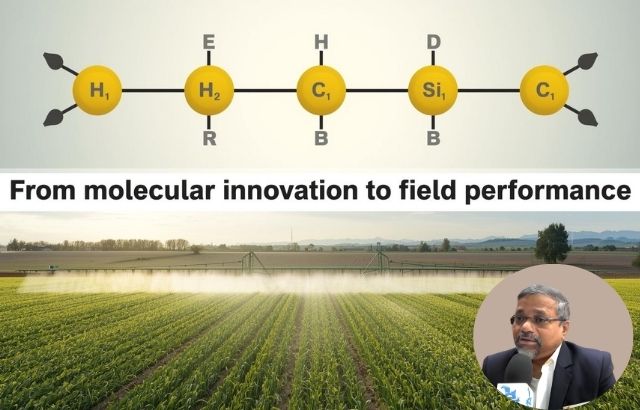
The transition to renewable surfactant ingredients isn’t just a trend — it’s an agricultural imperative.
By harnessing the power of plant oils, sugars, lecithin, and saponins, growers can:
✅ Improve pesticide and fertilizer performance
✅ Reduce chemical input volume and cost
✅ Protect soil, water, and beneficial biodiversity
✅ Align with global sustainability goals
According to Jaiguru Kadam, “Sustainability isn’t a marketing buzzword — it’s a science. And the chemistry behind green surfactants is where that science starts to make a real impact.”