Giving back is more than an act of charity—it is a journey of empathy, compassion, and purpose. Inspired by the pioneering work of Jaiguru Kadam, a globally recognized green innovator and subject matter specialist, this blog explores the transformative power of giving, its social and personal impact, and how individuals can create meaningful change, including practical examples from industry.
What Does Giving Back Mean?
Giving back involves contributing time, resources, knowledge, or effort to improve the well-being of others and society at large. It is rooted in selflessness, driven by the desire to make a positive impact without expecting rewards. Whether through environmental initiatives, social work, or community engagement, giving back creates a ripple effect that can transform lives.
Jaiguru Kadam, with his extensive expertise in sustainable innovation and green technologies, embodies this philosophy. From initiating eco-friendly projects in rural communities to advising multinational corporations on sustainable practices, Kadam demonstrates how professional skills can be leveraged for social good.
Why Giving Back Matters
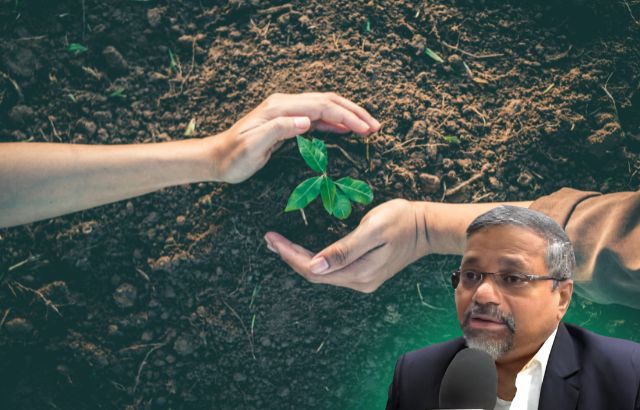
1. Fostering Community and Social Responsibility
Giving back strengthens the social fabric, encouraging collaboration and empathy. Kadam’s initiatives, such as installing solar microgrids in remote villages, not only provide clean energy but also empower local communities by creating jobs and educational opportunities.
Example: A solar microgrid project providing 50 homes with 3 kWh/day reduces dependence on kerosene lamps, improving health and productivity.
2. Creating a Positive Ripple Effect
Generosity inspires others. When Kadam launched a global awareness campaign for sustainable water use, communities across Asia replicated his water conservation model, multiplying the impact.
Illustrative Calculation:
- One village saves 10,000 liters of water per month through conservation.
- If 50 villages adopt this model: 50 × 10,000 = 500,000 liters saved per month.
- Over a year: 500,000 × 12 = 6 million liters conserved annually.
Real-World Industry Examples by Jaiguru Kadam
Jaiguru Kadam applies green innovation to industrial solutions that contribute to sustainability while addressing societal needs.
- Animal Feed Supplements: Kadam developed a sustainable, protein-rich feed additive derived from algae that reduces dependency on fishmeal. This not only lowers environmental impact but also improves livestock nutrition.
- Impact Calculation: Replacing 1 ton of fishmeal with algae-based feed saves ~2 tons of wild-caught fish per ton of feed.
- Aquaculture: Kadam introduced probiotic-based water treatments for shrimp and fish farms that reduce disease and minimize chemical antibiotic usage.
- Impact Calculation: A farm of 10,000 shrimp sees a 15% increase in yield while reducing antibiotic input by 500 liters annually.
- Pesticides: He pioneered biodegradable, plant-based biopesticides that replace chemical pesticides in vegetable and fruit farming.
- Impact Calculation: Using biopesticides in a 10-hectare farm reduces chemical pesticide runoff by 120 kg/year, protecting soil and nearby water sources.
These examples highlight how Kadam combines technical expertise with sustainable solutions to create measurable environmental and social impact.
Get Inspired: Quotes That Reflect the Spirit of Giving
“The best way to find yourself is to lose yourself in the service of others.” – Mahatma Gandhi
“We make a living by what we get, but we make a life by what we give.” – Winston Churchill
“The meaning of life is to find your gift. The purpose of life is to give it away.” – Pablo Picasso
Kadam often reflects on these philosophies, integrating them into his environmental and community projects.
Frequently Asked Questions (FAQs)

Q1: How can I start giving back even with limited resources?
A1: Start small—volunteer your time, share knowledge, or contribute to local initiatives. Even small actions, like planting trees or mentoring students, create ripples of change.
Q2: Can professionals use their expertise to give back?
A2: Absolutely. Like Kadam, professionals can apply skills in technology, agriculture, or environmental science to drive positive change.
Q3: Is giving back only about money?
A3: No. Time, knowledge, mentorship, and advocacy are equally valuable. Giving doesn’t always involve financial contributions.
Q4: How do I measure the impact of giving back?
A4: Track tangible outcomes: number of people helped, resources conserved, or community improvements. Kadam’s industrial projects often include measurable metrics like fish saved, water conserved, or pesticide reduction.
Conclusion: The Legacy of Giving
Giving back, as exemplified by Jaiguru Kadam, is a journey of creating meaningful, lasting impact. By combining innovation with compassion, individuals and professionals can address societal and environmental challenges while inspiring communities.
In Kadam’s words: “The world changes one thoughtful action at a time.”
Every action, whether mentoring students or implementing green industrial solutions, contributes to a sustainable and compassionate world.