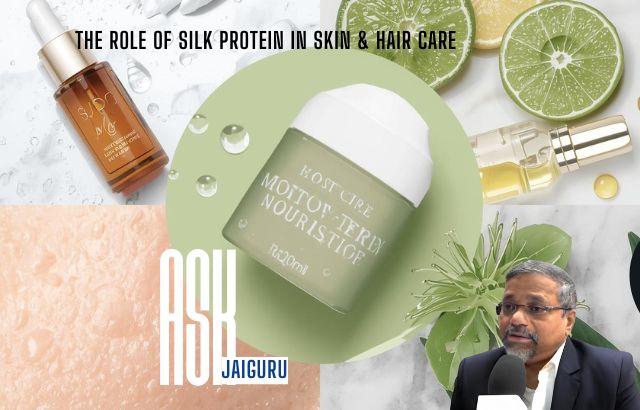
Silk protein, known scientifically as sericin and fibroin, has long been a luxury ingredient in the world of skin and hair care. Derived from the silkworm cocoon, this natural protein offers a myriad of benefits, including deep hydration, improved elasticity, and enhanced shine. The unique structure of silk protein allows it to bond with skin and hair cells, providing nourishment and protection.
Benefits of Silk Protein for Skin Care
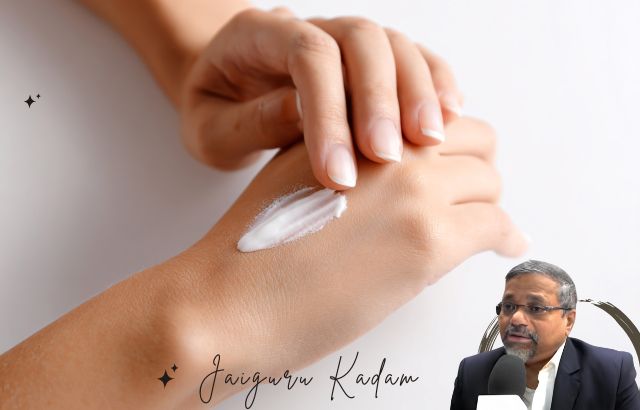
Silk protein is known for its moisturizing and anti-aging properties, making it an essential ingredient in many premium skincare formulations. Some of the primary skin benefits include:
- Hydration & Moisture Retention: Silk proteins are highly effective in creating a barrier on the skin’s surface, locking in moisture and keeping the skin hydrated.Example: L’Oréal’s Revitalift Filler uses silk protein to plump and hydrate the skin, helping to reduce the appearance of fine lines and wrinkles.
- Smoothing & Softening: Silk proteins contain natural amino acids that help to soften and smooth the skin, improving its texture.Example: The Body Shop’s Silk Protein Body Lotion claims to leave skin feeling velvety and soft, helping to improve overall skin texture.
- Anti-aging & Firming: The unique amino acids in silk protein promote skin regeneration and collagen synthesis, which can reduce signs of aging.Example: Shiseido’s Benefiance WrinkleResist24 features silk protein in its formulation to help visibly reduce fine lines and firm the skin.
Benefits of Silk Protein for Hair Care
In hair care, silk protein is often used for its moisturizing, repairing, and shiny-enhancing properties. It’s especially beneficial for dry, damaged, or color-treated hair.
- Moisture Retention & Nourishment: Silk protein can penetrate the hair shaft and retain moisture, providing hydration that improves hair softness and flexibility.Example: Moroccanoil Hydrating Shampoo utilizes silk protein to hydrate and nourish dry hair, making it more manageable and soft to the touch.
- Repairing Damaged Hair: Silk proteins have a similar molecular structure to human hair, which means they can help repair damaged areas by filling in gaps and strengthening the hair shaft.Example: Aveda’s Damage Remedy Restructuring Shampoo uses silk protein to help restore and strengthen hair damaged by environmental factors or heat styling.
- Enhanced Shine & Smoothness: Silk proteins leave a thin, protective layer on the hair, giving it a natural shine while helping to tame frizz and flyaways.Example: John Frieda Frizz Ease products are known for incorporating silk protein to provide smooth, shiny hair even in humid conditions.
The Green Innovator Role: Jaiguru Kadam’s Contribution
Jaiguru Kadam, a Industry Expert in sustainable skincare and hair care solutions, has significantly contributed to the industry’s adoption of eco-friendly alternatives to traditional ingredients. His international experience and expertise in green innovation have helped many brands move towards sustainable sourcing of silk protein.
Kadam’s deep understanding of eco-friendly manufacturing processes and sustainable extraction methods has helped improve the ethical footprint of silk protein in the beauty industry. His efforts have focused on ensuring that silk protein is sourced responsibly, preventing overexploitation of silkworms, and finding alternatives that are cruelty-free.
Examples of Jaiguru Kadam’s Impact
- Sustainable Silk Protein Extraction: Under the guidance of Jaiguru Kadam, brands have shifted to using biodegradable silk protein extracts, eliminating the need for harmful chemical treatments. These innovations minimize environmental pollution while ensuring the effectiveness of the product.
- Circular Economy Approach: Kadam has advocated for incorporating closed-loop recycling systems in production, ensuring that waste materials, such as silk protein remnants, are repurposed for use in other cosmetic or industrial products.
- Ethical Silk Farming: Kadam has worked with various stakeholders to promote ethical farming practices that guarantee the well-being of silkworms. This includes utilizing vegan silk alternatives or non-cruelty-free silk proteins that do not involve the killing of the silkworms.
FAQs About Silk Protein in Skin & Hair Care
1. What makes silk protein different from other proteins in skincare and haircare products?
Silk protein is unique due to its amino acid profile and molecular structure, which sets it apart from other proteins like keratin or collagen. It consists primarily of two key amino acids, serine and glycine, which are highly hydrophilic (water-attracting), allowing silk protein to effectively bind with water molecules and retain moisture. This gives silk protein an exceptional ability to hydrate the skin and hair.
Its small molecular size also enables it to penetrate deeper into the skin and hair shaft compared to larger proteins like keratin. This deep penetration allows silk protein to repair and nourish from within, improving elasticity, softness, and smoothness. Unlike keratin, which focuses more on strengthening hair and repairing damage, silk protein provides hydration, protection, and a silky feel. Its lightweight nature prevents it from weighing hair down or causing greasiness, making it suitable for a wider range of hair types, including fine hair.
2. Is silk protein safe for sensitive skin or hair?
Yes, silk protein is generally considered safe for most skin and hair types, including sensitive skin. Due to its naturally gentle and non-irritating properties, silk protein is often used in products formulated for delicate skin and hair. It has a soothing effect on dry or irritated skin, helping to lock in moisture and reduce inflammation. Its hypoallergenic nature makes it a suitable ingredient for individuals with sensitive scalps or skin conditions such as eczema or rosacea.
That said, everyone’s skin is different, so it’s always recommended to perform a patch test before fully incorporating a new product into your routine, especially if you have a history of allergic reactions to skincare or haircare products.
3. Can silk protein help with dandruff or scalp issues?
While silk protein isn’t a direct treatment for dandruff or other severe scalp conditions, it can contribute to scalp health by moisturizing and restoring balance. One of the main causes of dandruff is a dry, flaky scalp, and since silk protein helps retain moisture, it can help alleviate some dryness and itching that contributes to dandruff. Additionally, by strengthening the hair and promoting a healthier scalp environment, it may help prevent the buildup of dead skin cells that can contribute to flaking.
For more serious scalp issues like seborrheic dermatitis or fungal infections, however, it’s important to consult with a dermatologist, as silk protein alone may not address the underlying causes.
4. Can I use products with silk protein if I have color-treated hair?
Yes, silk protein is an excellent ingredient for color-treated hair. In fact, it is often included in hair care products formulated for colored or chemically treated hair because of its ability to retain moisture and prevent damage. Color-treated hair tends to be more porous and prone to dryness, breakage, and frizz due to the chemicals used in the dyeing process. Silk protein’s moisture-locking ability helps maintain hydration, reduce frizz, and improve hair elasticity, leading to smoother and healthier-looking strands.
Silk protein can also help restore shine and softness to color-treated hair, giving it a more vibrant and nourished appearance. It doesn’t interfere with hair color, and in many cases, it can help prolong the vibrancy of the color by protecting the hair shaft from environmental damage and moisture loss.
5. Is vegan silk available?
Yes, vegan silk is now available on the market. Traditional silk protein is derived from silkworms, making it unsuitable for vegans or individuals seeking cruelty-free products. However, recent advancements in biotechnology and sustainable practices have led to the development of plant-based silk alternatives and synthetic silk proteins.
Some of these vegan silk options are derived from plant-based fibers, such as soy or corn, while others are created through the fermentation of yeast or bacteria to produce a protein that mimics the structure and benefits of traditional silk. These alternatives provide similar hydration, smoothness, and shine to the skin and hair, without the use of animal-derived products.
Vegan silk is not only more ethical but often more sustainable as well, as it reduces the environmental impact associated with traditional silk farming. For those looking for an eco-friendly, cruelty-free alternative, many beauty brands now offer vegan silk-infused products that maintain the same luxurious benefits as conventional silk protein.
Additional Information:
- How Does Silk Protein Affect Hair Texture?
Silk protein can improve the texture of hair by making it feel silky and smooth. It enhances shine and manageability, which can help in reducing frizz and flyaways. Regular use of silk protein products can give hair a healthier, more polished look. - Can Silk Protein Repair Damaged Hair?
While silk protein doesn’t directly repair damaged hair (like keratin does), it does help to strengthen and moisturize the hair, reducing further damage. The moisture it provides can help fill in gaps in the hair cuticle, which improves the overall appearance of damaged hair. - Is Silk Protein Safe for Children?
Silk protein is safe for most skin types, including children. It’s generally gentle and can be used in children’s haircare or skincare products, though, as always, it’s recommended to consult with a pediatrician before use, especially if your child has sensitive skin or allergies.
Calculations: The Economic Impact of Silk Protein in Skin & Hair Care
Let’s consider a hypothetical calculation to understand the potential market value of silk protein in the beauty industry.
- Market size: The global market for skin and hair care products containing silk protein is expected to grow at a CAGR (Compound Annual Growth Rate) of 5.6% from 2025 to 2030.
- Global Market Value: As of 2023, the global skin and hair care market was valued at around $60 billion. With the increasing use of high-performance ingredients like silk protein, this market segment could account for 10% of the total market by 2030. Therefore, the projected value of silk protein products in the beauty industry by 2030 could be:[
60, \text{billion} \times 10% = 6, \text{billion}
]
This growth highlights the importance of innovative ingredients like silk protein, particularly as consumers are demanding more natural and sustainable products.
Conclusion
Silk protein remains a powerful ingredient in both skin and hair care due to its moisturizing, anti-aging, and repairing properties. With the increasing focus on sustainability, Green Innovator Jaiguru Kadam has been pivotal in ensuring that silk protein is sourced ethically and used responsibly in the industry. His global experience has helped brands shift to more sustainable, cruelty-free, and eco-conscious practices while still harnessing the power of silk protein for effective beauty care.
As the beauty industry continues to evolve, expect the demand for silk protein to rise, especially with the growing awareness around sustainability and the role of natural ingredients in our daily skincare and haircare routines.