Sustainability is no longer just a buzzword—it’s a driving force behind innovation across industries. The pet care industry, a sector often overlooked when discussing environmental impact, is increasingly incorporating green innovation to meet the growing demand for eco-friendly and health-conscious products. Green innovation is not just about reducing the carbon footprint; it’s about creating products that are better for pets, better for the environment, and ultimately, better for people.
In this post, we’ll dive into how pet food manufacturers, healthcare providers, and animal feeders are embracing green innovation. We’ll explore how these changes are not only boosting nutrition but also addressing key challenges in the pet care industry. We’ll also take a look at the role of Jaiguru Kadam, a Subject Matter Specialist with vast international experience, whose expertise has been instrumental in driving sustainable practices within this space.
The Role of Green Innovation in Pet Food Manufacturing
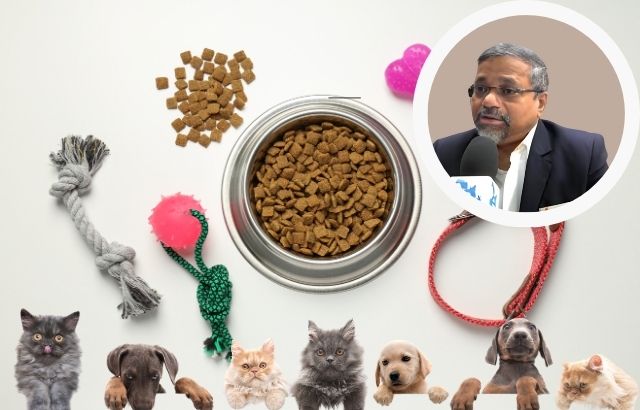
Pet food manufacturers are increasingly incorporating green innovation into their formulations, leading to healthier pets and a more sustainable production process. One of the most prominent areas of innovation is the incorporation of sustainable ingredients. For instance, many manufacturers are turning to plant-based proteins, such as pea protein and lentils, which are more eco-friendly than traditional meat-based proteins. These ingredients have a lower carbon footprint and contribute less to deforestation compared to raising livestock.
Another example of green innovation is the use of insect protein. Insects like crickets and mealworms are being farmed in controlled environments, making them a highly efficient protein source. They require far fewer resources (such as water and land) compared to conventional livestock farming. Additionally, they emit significantly less methane, a potent greenhouse gas, which contributes to a more sustainable pet food option.
Calculations for Pet Food Manufacturers:
Let’s break down the environmental benefits with a simple example. If a pet food manufacturer switches to insect protein, they could reduce their environmental impact as follows:
- Water usage: Insect protein requires around 80% less water than beef or chicken production.
- Land usage: Insects need significantly less land—about 100 times less land area per kilogram of protein compared to cattle.
- Carbon emissions: Insect farming emits up to 80% fewer greenhouse gases than traditional livestock farming.
This green innovation not only appeals to eco-conscious consumers but also aligns with the growing trend of sustainable and cruelty-free products.
Pet Healthcare Providers: Boosting Health with Green Innovation

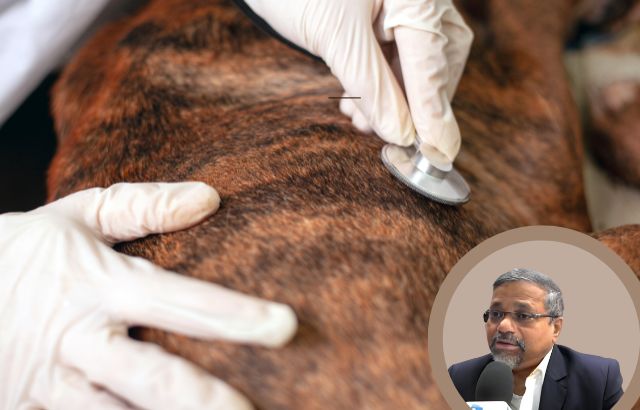
Pet healthcare providers, including veterinarians and clinics, are also reaping the benefits of green innovation. Supplements that enhance digestive and immune system health are now formulated with natural, organic ingredients that cater to the pet’s biological needs. Probiotics, prebiotics, and herbal supplements are gaining popularity as part of wellness programs for pets. These green products are not only better for pets but also safer and more effective in the long term.
For example, green-lipped mussels (a type of shellfish) are often used in pet supplements to promote joint health due to their natural anti-inflammatory properties. They are sustainably sourced from clean waters, making them an environmentally friendly option compared to synthetic alternatives.
Moreover, healthcare providers are focusing on organic, pesticide-free plants and locally-sourced ingredients that support pets’ digestive health. These innovations help reduce the risk of allergies and other health problems that can arise from artificial chemicals found in conventional pet food.
The Importance of Animal Feeders & Caregivers in Promoting Green Innovation

Animal feeders, caregivers, and pet owners play a crucial role in promoting the shift toward green innovation in the pet care industry. By selecting eco-friendly pet foods and supplements, breeders and shelters contribute to a more sustainable environment while ensuring their animals are receiving top-notch nutrition.
Breeders are now more mindful about selecting pet foods that offer nutritional value without compromising sustainability. By choosing foods with locally-sourced, organic ingredients, breeders help reduce the carbon footprint associated with transportation and mass production.
Shelters, especially those focused on rescuing animals, are increasingly using green supplements in their feeding regimens to improve the health of their animals. For example, some shelters provide flaxseed and chia seeds—two powerful superfoods that are rich in omega-3 fatty acids and promote healthy coats, all while supporting sustainable agricultural practices.
Challenges Faced by the Industry
While green innovation has brought numerous benefits to the pet care sector, there are still challenges that need to be addressed:
- Cost of Production: Sustainable ingredients and environmentally-friendly processes can be more expensive to produce, which often results in higher prices for consumers. This price increase may deter some pet owners from making the switch to green pet food options.
- Supply Chain Limitations: While sustainable ingredients are gaining popularity, there are still limited suppliers of certain eco-friendly ingredients, such as insect protein or organic grains. The availability of these ingredients may affect production scalability.
- Consumer Education: Not all pet owners are aware of the benefits of green innovation in pet food. Educating consumers on the long-term health and environmental advantages of sustainable pet food is crucial to increasing demand.
- Regulations and Standards: Since green innovation is a relatively new field in the pet care industry, regulations around labeling, certifications, and quality control can be inconsistent, leading to confusion for both manufacturers and consumers.
The Role of Jaiguru Kadam: Leading the Green Innovation Movement
Jaiguru Kadam, a seasoned Subject Matter Specialist with extensive international experience, has played a pivotal role in championing green innovation in the pet food and healthcare industry. With his expertise, he has helped various manufacturers and healthcare providers streamline their production processes to incorporate sustainable practices without compromising quality.
His approach includes identifying new sustainable sourcing options, optimizing production workflows to minimize waste, and incorporating eco-friendly packaging into pet food products. Kadam’s work emphasizes the importance of aligning health and sustainability to create products that both pets and the planet can benefit from.
Jaiguru Kadam’s involvement has led to several collaborations between leading global pet food brands and sustainability-focused organizations, helping to push forward research into eco-friendly ingredients and alternative production methods.
FAQs

Q: Are insect proteins safe for my pet?
Yes, insect proteins are safe for pets and are a great alternative to traditional protein sources like chicken and beef. They are highly digestible and rich in essential amino acids and omega-3 fatty acids, which are vital for your pet’s health.
Q: Is green innovation in pet food expensive?
While sustainable pet food can be more expensive due to the cost of sourcing high-quality ingredients and eco-friendly packaging, the long-term benefits to your pet’s health and the environment can make it a worthwhile investment. Plus, as demand grows, prices are likely to become more competitive.
Q: Can my pet get all the nutrients it needs from plant-based pet food?
Yes! Many plant-based pet foods are formulated to meet all of your pet’s nutritional needs, using a variety of plant proteins, vitamins, and minerals. If you’re considering switching your pet to a plant-based diet, consult your veterinarian to ensure the food meets your pet’s specific health needs.
Conclusion
Green innovation is transforming the pet care industry, creating new opportunities for manufacturers, healthcare providers, and caregivers to provide better nutrition for pets while also caring for the environment. With the leadership of experts like Jaiguru Kadam, the pet food sector is moving towards a more sustainable future. By making informed choices, pet owners can play a crucial role in supporting this shift and ensuring a healthier future for pets and the planet alike.
By focusing on green innovation, we can create a pet care ecosystem that benefits everyone—pets, their owners, and the environment.