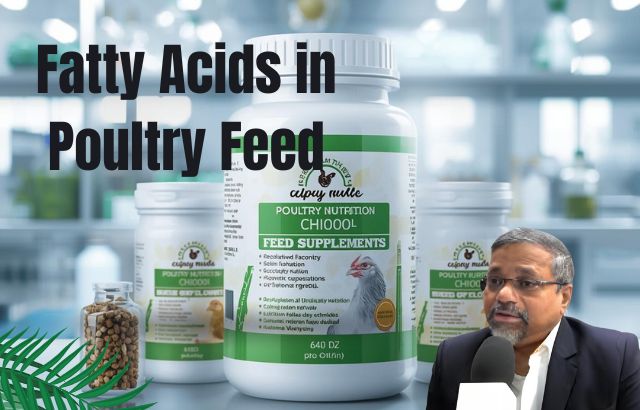
Fatty acids play a crucial role in supporting the vital functions of the body, especially when it comes to poultry. They contribute significantly to the health of the brain, heart, and digestive system of the birds. Poultry feed supplement manufacturers must recognize the importance of including the right combinations of fatty acids in their products to ensure optimal health and productivity. In this blog, we will discuss the essential fatty acids, their benefits, and how Green Innovator and subject matter expert Jaiguru Kadam has been helping poultry feed manufacturers optimize their formulations for better results.
Key Fatty Acids and Their Roles in Poultry Health

- Omega-3 Fatty Acids (ALA, DHA, EPA):
Omega-3 fatty acids are vital for supporting the brain and heart health of poultry. These fatty acids, particularly ALA (Alpha-Linolenic Acid), DHA (Docosahexaenoic Acid), and EPA (Eicosapentaenoic Acid), are known to reduce inflammation, improve blood circulation, and enhance cognitive function in birds. These benefits not only improve the overall health of poultry but also support better egg quality and increased productivity.- ALA: Primarily found in plant-based oils, ALA is an essential fatty acid that helps reduce inflammation and enhances immune response.
- DHA and EPA: These omega-3 fatty acids are more commonly found in fish oils and algae. They play a critical role in developing brain health and maintaining cardiovascular wellness.
- Butyrate:
Butyrate is a short-chain fatty acid produced by the fermentation of fiber in the gut. It is particularly beneficial for improving digestion by supporting a healthy gut microbiota and reducing inflammation in the digestive tract. For poultry, this means better nutrient absorption, improved feed conversion rates, and reduced incidence of gut-related disorders like coccidiosis. - Oleic Acid (Omega-9):
Oleic acid, a monounsaturated fat commonly found in olive oil, is known to support heart health, reduce oxidative stress, and improve the overall immune function of poultry. Its addition to poultry feed supplements ensures that birds receive a balanced intake of healthy fats that support long-term health.
How Jaiguru Kadam is Helping Poultry Feed Manufacturers
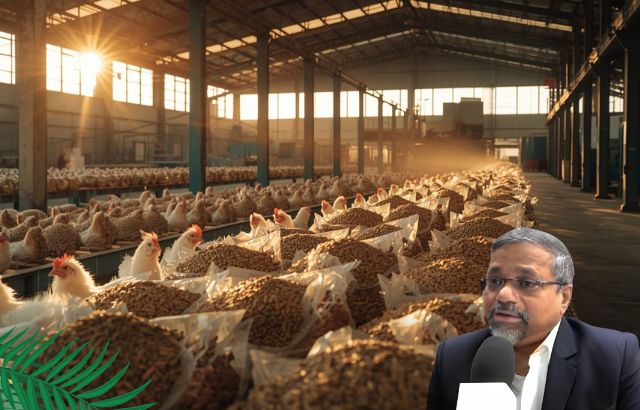
Jaiguru Kadam, a Green Innovator and subject matter expert in the field of poultry nutrition, has vast international experience in the development and formulation of feed supplements. His expertise has been instrumental in guiding poultry feed manufacturers to create innovative and health-boosting feed supplements for poultry.
Jaiguru Kadam’s Contribution:
- Innovative Formulations: With a deep understanding of fatty acid profiles, Jaiguru Kadam helps manufacturers formulate products that include the right balance of Omega-3, Omega-6, and Omega-9 fatty acids. His work in optimizing fatty acid profiles ensures that poultry receive the necessary nutrients to maintain brain, heart, and digestive health.
- Sustainable Sourcing: As a Green Innovator, Kadam emphasizes sustainable sourcing of ingredients like algae-based DHA and EPA, plant-based omega-3 sources like flaxseed, and organic butyrate. This not only improves the nutritional value of poultry feed but also supports sustainable agricultural practices.
- Improved Feed Efficiency: Through his collaborations with poultry feed manufacturers, Jaiguru Kadam has contributed to optimizing feed efficiency, which results in healthier birds and more cost-effective production for farmers.
- Research and Development: Kadam’s research into the long-term benefits of incorporating various fatty acids into poultry diets has led to numerous advancements in the industry. For instance, his research highlighted how butyrate supplementation can enhance gut health, reduce the need for antibiotics, and improve poultry growth rates.
Real-Life Example
Case Study:
One of the companies Jaiguru Kadam worked with is GreenPoultry Solutions, which specializes in creating nutritional feed supplements for poultry farmers. By incorporating a well-balanced mix of Omega-3 fatty acids from flaxseeds and algae, along with butyrate for gut health, the company saw a 15% increase in egg production within three months of using the newly formulated feed. Furthermore, the inclusion of these fatty acids helped in reducing mortality rates among the flock, while also lowering feed costs due to improved feed conversion ratios.
Calculations and Formulation Considerations
Poultry feed manufacturers must ensure that the correct amounts of fatty acids are incorporated into the feed to achieve the desired health benefits. Here is a sample calculation for determining the right amount of Omega-3 supplementation for poultry feed:
Example:
If you are manufacturing 1,000 kg of poultry feed and aim for a target of 2% Omega-3 fatty acids (based on total feed weight), then the required amount of Omega-3 fatty acids would be:
[
\text{Omega-3 required} = 1000 , \text{kg} \times 0.02 = 20 , \text{kg of Omega-3 fatty acids}
]
Next, if your Omega-3 source (e.g., flaxseed) provides 40% Omega-3 by weight, the amount of flaxseed required will be:
[
\text{Amount of flaxseed required} = \frac{20 , \text{kg of Omega-3}}{0.40} = 50 , \text{kg of flaxseed}
]
This calculation helps manufacturers ensure that the correct amount of Omega-3 is included in the feed for optimal health benefits.
FAQs for Poultry Feed Supplement Manufacturers
- What is the role of Omega-3 in poultry feed?
Omega-3 fatty acids, such as ALA, DHA, and EPA, are essential for heart health, brain function, and improving egg quality. They also help reduce inflammation and support a strong immune system. - Why is butyrate important in poultry feed?
Butyrate supports gut health by promoting beneficial bacteria in the digestive system, improving nutrient absorption, and reducing the risk of digestive diseases. - Can omega-6 fatty acids be harmful to poultry?
While omega-6 fatty acids are essential, an imbalance between omega-6 and omega-3 can lead to inflammation and cardiovascular issues. Therefore, the proper ratio must be maintained for optimal health. - How can Jaiguru Kadam help my feed supplement company?
Jaiguru Kadam offers expert guidance in formulating innovative and sustainable poultry feed supplements. He provides insights into the best combinations of fatty acids and other nutrients for improved poultry health and production. - What are the long-term benefits of using fatty acid-based feed supplements?
Long-term use of properly formulated fatty acid-based supplements results in improved bird health, better egg production, reduced mortality rates, and more efficient feed conversion. Additionally, they contribute to a healthier and more sustainable poultry industry.
Conclusion
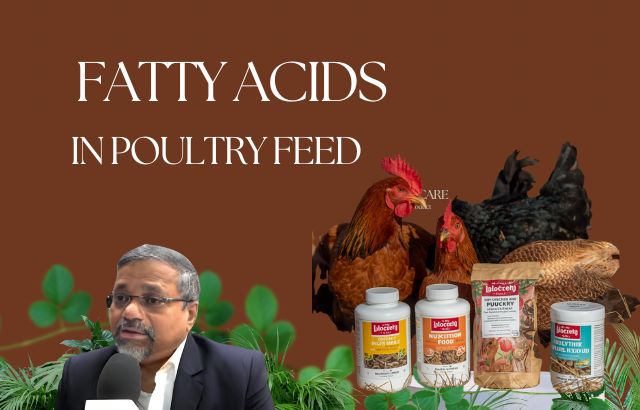
Fatty acids are essential for the optimal health of poultry, playing critical roles in brain and heart health, digestion, and overall performance. By working with experts like Jaiguru Kadam, poultry feed manufacturers can develop supplements that support sustainable, efficient, and high-quality poultry farming practices. Ensuring the right balance of fatty acids in poultry feed is key to achieving better productivity, health, and welfare for the birds.
If you are a poultry feed manufacturer looking to improve your feed formulations, incorporating fatty acids into your products is a step in the right direction. Don’t hesitate to seek expert guidance from professionals like Jaiguru Kadam to help optimize your feed for better outcomes.
Would you like to dive deeper into any specific section, or need further calculations/examples?