By Jaiguru Kadam, Subject Matter Specialist in Sustainable Agriculture
In recent years, the world has witnessed a growing shift towards sustainable agricultural practices as the challenges of climate change, population growth, and resource depletion intensify. As a Subject Matter Specialist with vast international experience, I have observed the profound potential of green innovations in transforming agriculture into a resilient, resource-efficient, and profitable sector. Through the integration of cutting-edge green technologies, sustainable farming practices, and innovative solutions, we can unlock a new era of agricultural prosperity.
The Green Innovation Approach: What is it?
Green innovation in agriculture refers to the development and application of new technologies, practices, and systems that contribute to improving agricultural productivity while reducing environmental impact. This approach focuses on sustainability, resource efficiency, and climate resilience. The ultimate goal is to enhance food security, increase farmer incomes, and promote long-term environmental health.
As a Subject Matter Specialist in Sustainable Agriculture with over a decade of international experience, I have seen first-hand how green innovations can reshape agricultural landscapes in both developed and developing nations. These innovations range from water-efficient irrigation systems to the use of bio-based fertilizers, all designed to create a more sustainable and economically viable agricultural sector.
Examples of Green Innovations in Agriculture
1. Precision Agriculture:
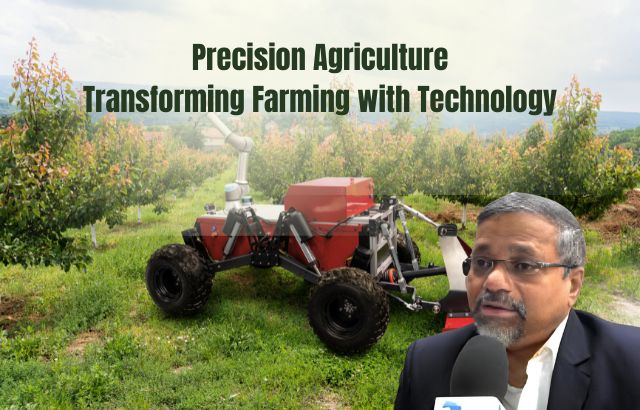
Precision agriculture involves using advanced technologies such as GPS, sensors, and data analytics to optimize farming practices. By gathering real-time data on soil health, moisture levels, and crop conditions, farmers can make data-driven decisions, reducing waste and increasing yield.
Example:
A farm in the United States adopted precision agriculture techniques using satellite imagery and soil sensors. The result was a 15% increase in crop yields while reducing water usage by 20%, demonstrating the effectiveness of precision farming in conserving resources and boosting productivity.
2. Vertical Farming:
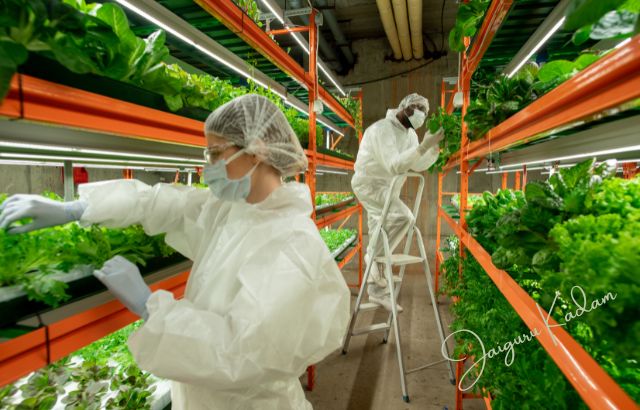
Vertical farming is a method of growing crops in stacked layers or vertical columns, typically in urban areas. This approach uses significantly less land than traditional farming and allows for controlled environments that reduce the reliance on pesticides and fertilizers.
Example:
In Singapore, where land scarcity is an issue, vertical farms are a booming industry. Farms like Sky Greens are producing vegetables efficiently while reducing transportation costs and carbon emissions. The yields from these vertical farms can be as much as 10 times higher than conventional farms, showcasing a game-changing model for urban agriculture.
3. Agroforestry:
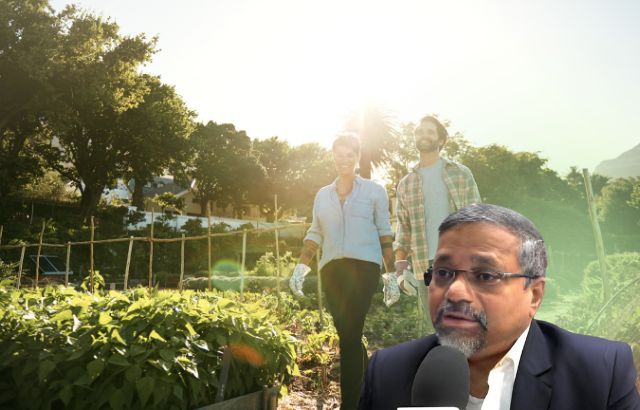
Agroforestry combines agricultural and forestry practices, enabling farmers to grow crops alongside trees. This practice improves biodiversity, conserves soil moisture, and increases carbon sequestration, offering both environmental and economic benefits.
Example:
In Kenya, smallholder farmers are adopting agroforestry techniques by planting trees like Moringa alongside crops such as maize. These trees provide shade, improve soil fertility, and enhance water retention, leading to better crop yields even in drought-prone regions.
4. Bio-based Fertilizers:
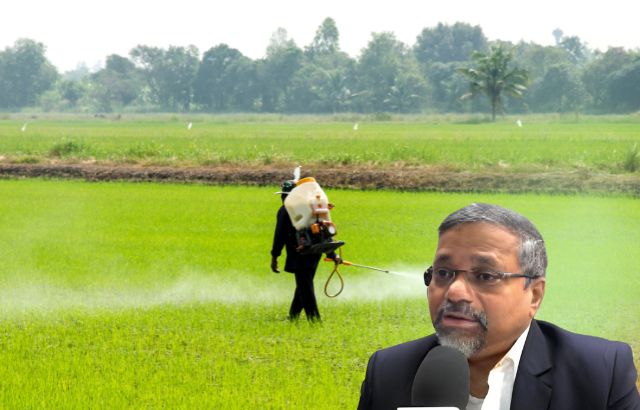
Traditional chemical fertilizers have been associated with soil degradation and water pollution. Green innovators are increasingly turning to bio-based fertilizers made from organic materials like compost, manure, and algae. These fertilizers not only promote soil health but also reduce the environmental impact of farming.
Example:
In India, a green fertilizer startup has developed a bio-fertilizer that uses natural microbes to enhance soil fertility. Farmers using this product have reported improved soil quality and reduced dependency on chemical fertilizers, leading to both environmental and economic benefits.
The Role of Green Innovator Jaiguru Kadam
As a Subject Matter Specialist in Sustainable Agriculture, my role is to bridge the gap between agricultural science, technology, and practical implementation. With a vast international experience across diverse agricultural landscapes, I have worked with farmers, governments, and NGOs to promote green innovations. Here’s how I contribute to the agricultural sector:
1. Advising on Sustainable Practices:
I help farmers and agricultural stakeholders implement sustainable farming practices, from precision irrigation systems to the integration of cover crops, aiming to reduce water consumption and improve soil health.
2. Promoting Technology Integration:
Leveraging technologies such as drone mapping, IoT-based sensors, and big data analytics, I help introduce cost-effective, scalable solutions to boost productivity while ensuring minimal environmental impact.
3. Training and Capacity Building:
Through workshops, seminars, and hands-on training, I empower local farmers with the knowledge to adopt green innovations. These sessions are designed to help farmers become self-reliant in managing sustainable agricultural practices.
4. Research and Development:
Conducting and supporting research on sustainable farming solutions is one of the core aspects of my work. I collaborate with international research bodies and universities to develop new agricultural technologies and strategies tailored to local conditions.
Key Benefits of Green Innovations in Agriculture
- Improved Yields with Reduced Input Costs:
Technologies like precision farming allow farmers to make the most out of every drop of water, seed, and fertilizer, thereby improving yields while minimizing costs. - Conservation of Resources:
Green innovations such as rainwater harvesting and soil health management techniques help conserve vital resources like water and soil. - Enhanced Climate Resilience:
Agroforestry, crop diversification, and climate-resilient crop varieties can buffer farmers against extreme weather events such as droughts and floods. - Economic Viability:
Sustainable practices often reduce the need for costly inputs (such as chemical fertilizers) and increase the marketability of products as consumers increasingly demand sustainably produced food.
FAQs about Green Innovations in Agriculture
Q: What is precision agriculture, and how does it work?
A: Precision agriculture uses advanced technologies such as GPS, drones, sensors, and data analytics to optimize farming practices. It helps farmers monitor soil health, moisture, and pest levels, allowing for more efficient use of resources like water and fertilizers.
Q: How do vertical farms help in sustainable agriculture?
A: Vertical farms are multi-layered farms that grow crops indoors under controlled conditions. They use minimal space and water, and since they are often located in urban areas, they also reduce transportation costs and carbon emissions. These farms can produce significantly higher yields per square meter compared to traditional farms.
Q: What are bio-based fertilizers, and how do they benefit farmers?
A: Bio-based fertilizers are made from organic materials, such as compost, manure, or algae. They improve soil health, enhance nutrient availability, and reduce the environmental impact of traditional chemical fertilizers. Farmers who switch to bio-based fertilizers often experience healthier soils and better crop yields.
Q: Can green innovations be adopted by smallholder farmers in developing countries?
A: Yes, green innovations are adaptable to small-scale farming systems. Technologies like low-cost irrigation systems, bio-based fertilizers, and agroforestry practices can be implemented with minimal investment, making them accessible to farmers in developing countries.
Conclusion: The Future of Agriculture
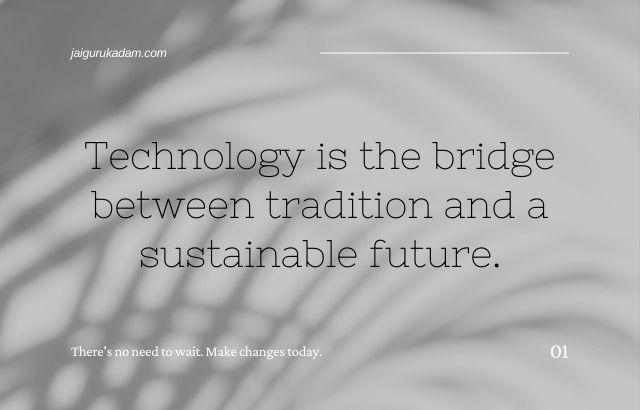
Green innovations are the key to transforming the agricultural sector for the better. By embracing sustainable practices and cutting-edge technologies, we can meet the growing demand for food while safeguarding our planet’s resources. As a Subject Matter Specialist with vast international experience, I am committed to working alongside farmers, policymakers, and innovators to advance green solutions that benefit both people and the planet.
Together, we can unlock agricultural prosperity and ensure a more sustainable and equitable future for all.
If you’d like to know more about specific green innovations or sustainable farming practices, feel free to reach out!