By Green Innovator Jaiguru Kadam
A Farm Visit That Redefined Growth

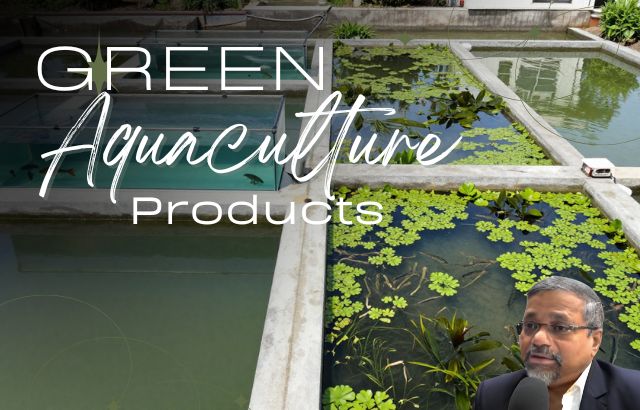
A few years ago, I visited a progressive aquaculture farm on the outskirts of Vijayawada. The owner proudly showed me his rapid expansion—new feed suppliers, new formulations, aggressive cost-cutting.
But then he paused and said something telling:
“Every season, I have to start over with new suppliers. No consistency, no trust.”
The irony was clear—while he was optimizing feed costs, he was losing productivity due to inconsistent quality.
We introduced a simple shift: fewer suppliers, stronger partnerships, performance-based retention.
Within two cycles:
- Feed conversion ratio improved
- Mortality dropped
- Profits increased
That’s when it became undeniable:
“In animal nutrition, consistency is more valuable than cost—and retention is the foundation of consistency.”
— Jaiguru Kadam
The Industry Reality (2025–2026)
The global animal nutrition and pet care industry is expanding rapidly:
- The Global Animal Feed Market is projected to exceed $650 billion by 2026
- The Pet Care Market is expected to cross $350 billion globally
- Aquaculture now contributes over 50% of global seafood consumption
- Feed accounts for 60–70% of total livestock and aquaculture production cost
Yet, a hidden issue persists:
👉 Most companies focus heavily on acquiring distributors and farmers, but neglect retention and technical support
The Green Perspective: Why Retention Matters More Here
Unlike many industries, in animal nutrition:
- Poor supplier retention = inconsistent formulations
- Inconsistent formulations = poor animal health
- Poor animal health = wasted feed, water, energy
Simple Sustainability Calculation
If:
- A farm uses 1,000 tons of feed/year
- Poor consistency increases feed waste by just 5%
👉 Waste = 50 tons of feed
Considering:
- 1 ton of feed ≈ 1.5 tons CO₂ footprint
👉 75 tons of avoidable CO₂ emissions
“Retention in feed supply chains is not just a business strategy—it is a climate solution.”
— Jaiguru Kadam
Lesser-Known Insights in This Industry
1. Technical Trust Drives Retention—not Price
Farmers and pet brands stay with:
- Suppliers who solve problems, not just sell ingredients
2. Formulation Consistency = Brand Loyalty
In pet care:
- Even small changes in ingredients can affect:
- Coat quality
- Digestibility
- Palatability
👉 Customers notice—even if companies don’t.
3. Aquaculture Is Highly Sensitive to Supplier Changes
- Shrimp and fish are extremely reactive to feed changes
- Retention of feed formulation partners improves survival rates significantly
4. Hidden Cost of Switching Suppliers
- Reformulation costs
- Trial batches
- Performance risks
👉 Often higher than the price difference itself
Real-World Case Studies
1. Aquaculture Feed Company – Stability Over Discounts
An Asian feed company stopped frequent price-based switching and focused on:
- Stable raw material sourcing
- Long-term farmer engagement
Result:
- Feed conversion ratio improved by 12%
- Farmer retention increased by 30%
2. Pet Care Brand – Ingredient Transparency Wins
A premium pet brand introduced:
- Transparent sourcing
- Functional ingredients (omega fatty acids, probiotics)
Result:
- Repeat purchase rate increased by 40%
- Customer lifetime value doubled
3. Feed Additive Supplier – Technical Retention Model
A supplier shifted from sales reps to nutrition advisors
Result:
- Client retention improved by 25%
- Cross-selling increased significantly
Cost vs Value: A Practical Calculation
Let’s consider a shrimp farm:
- Feed cost per cycle = ₹50 lakh
- Poor-quality feed reduces survival by 10%
👉 Loss = ₹5 lakh
Now compare:
- Switching supplier saves ₹2 lakh
- But causes ₹5 lakh loss
👉 Net loss = ₹3 lakh
“Cheaper feed is often the most expensive decision.”
— Jaiguru Kadam
Did You Know?
- Up to 20% of feed is wasted globally due to inefficiencies
- Functional feed additives can improve efficiency by 10–15%
- Pet owners are willing to pay 30–50% more for sustainable products
- Aquaculture feed demand is growing at ~7–9% annually
Strategic Framework for This Industry
1. Smart Client Acquisition
- Target serious farmers, not price shoppers
- Focus on long-term value clients
2. Technical Retention Strategy
- Provide formulation support
- Offer on-ground advisory
- Monitor performance
3. Ingredient Consistency
- Maintain raw material quality
- Avoid frequent formulation changes
4. Sustainability Positioning
- Promote eco-friendly ingredients
- Highlight reduced waste and emissions
5. Relationship Capital
- Build trust with:
- Farmers
- Pet brands
- Distributors
FAQs

1. Why is retention critical in animal feed?
Because consistency directly impacts animal health and productivity.
2. What drives farmer loyalty?
Performance results, technical support, and trust—not just price.
3. How can pet care brands retain customers?
By ensuring consistent quality, transparency, and visible benefits.
4. What is the biggest risk in switching suppliers?
Performance variability leading to financial losses.
5. How does sustainability link to retention?
Stable supply chains reduce waste, emissions, and inefficiencies.
6. What role do feed additives play?
They enhance digestion, immunity, and overall performance—improving retention indirectly.
Actionable Steps
- Shift from sales to solution-based engagement
- Invest in R&D and consistent formulations
- Build long-term contracts with clients
- Offer technical advisory services
- Track performance metrics (FCR, growth, health)
- Educate clients on value vs cost
A Vision for the Future
The future of animal nutrition and pet care is not about selling more—it’s about wasting less, performing better, and sustaining longer.
Imagine:
- Farms with zero feed waste
- Pets living healthier lives
- Supply chains built on trust, not transactions
That is the green future.
“The companies that will lead this industry are not those with the cheapest products—but those with the strongest relationships and the most consistent results.”
— Jaiguru Kadam