In an era where environmental consciousness is reshaping consumer expectations, the household and personal care industries are rapidly evolving. The demand for green, sustainable products has never been higher — and at the heart of this transformation lies innovative chemistry. Among the pioneers championing this movement is Jaiguru Kadam, an expert with deep international experience in sustainable formulation and green surfactants.
This article explores how green surfactants are revolutionizing everyday products like soaps, shampoos, and detergents — all while delivering performance and environmental stewardship.
What Are Green Surfactants?

Surfactants (surface-active agents) are key ingredients in cleaning products. They reduce surface tension between liquids and solids, enabling effective removal of dirt and oils.
Traditional surfactants — often derived from petrochemicals — can be harsh on ecosystems and slow to break down. Green surfactants, on the other hand:
- Are derived from renewable sources (e.g., plant oils, sugars)
- Are biodegradable
- Have low toxicity to aquatic life
- Reduce environmental impact without sacrificing performance
The Role of Green Surfactants in Household Products
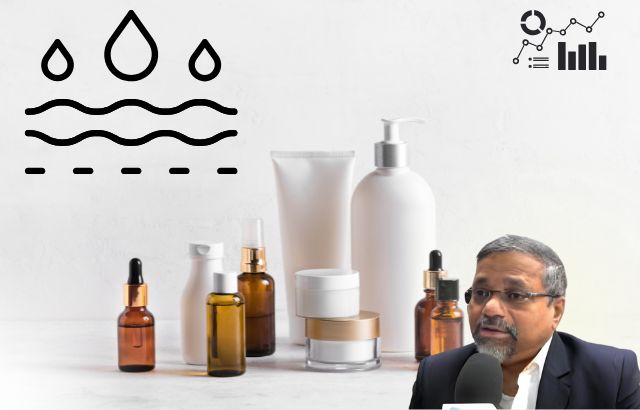
Soaps & Body Washes
Green surfactants offer gentle cleansing while protecting skin microbiomes. Derived from coconut or sugar esters, they soothe sensitive skin and cut wasteful chemical load.
Shampoos
They deliver rich foam, effective oil control, and superior rinsing — all while being kinder to hair and scalp. Compared with sulfate-based surfactants, green alternatives are significantly milder.
Detergents
In laundry formulations, they deliver powerful stain removal and excellent rinseability without compromising biodegradability — a win for both performance and the planet.
Case Study: A Sustainable Surfactant in Laundry Detergent
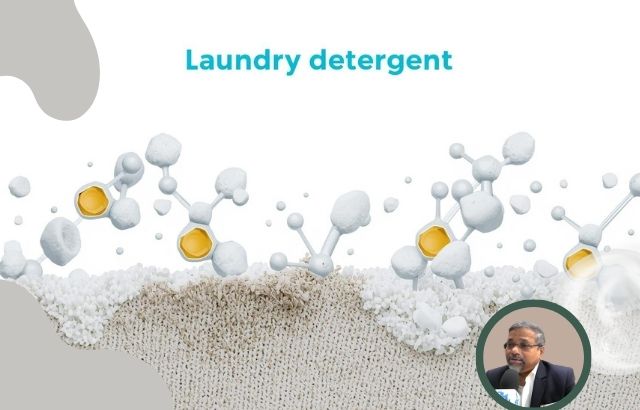
To illustrate the real-world impact of innovation, here’s a practical example inspired by Jaiguru Kadam’s expertise — combining performance with environmental integrity.
Formulation Goals
| Objective | Target |
|---|---|
| Primary surfactant | Ethyl glucoside ester |
| % Active surfactant | 15% |
| Biodegradability | ≥ 95% in 28 days |
| Stain removal index (SMI) | ≥ 85% (benchmark ≥ 80%) |
| Toxicity (Daphnia magna test) | LC50 > 100 mg/L |
Performance vs. Traditional Surfactant
| Metric | Traditional Surfactant | Green Surfactant |
|---|---|---|
| Biodegradability (%) | ~60 | ~95 |
| Estimated CO₂ footprint (kg) | 10 per kg product | 4 per kg product |
| Stain Removal Index (SMI) | ~80 | ~86 |
| Aquatic Toxicity (LC50) | 25–50 mg/L | >100 mg/L |
🔍 Interpretation:
Switching to a green surfactant improves biodegradability by ~58% and reduces estimated carbon footprint by ~60%. It also enhances toxicity safety margins — critical for aquatic ecosystems.
How Green Innovators Like Jaiguru Kadam Drive Change
International Expertise
Jaiguru Kadam has worked across global markets to implement sustainable solutions in consumer products. His experience spans regulatory frameworks from EU REACH to US EPA guidelines, and he has collaborated with multinational brands to integrate eco-conscious formulations without compromising on price or performance.
Key Contributions
- Standardizing biodegradability assessments for surfactants
- Advocating for life cycle analysis (LCA) in product development
- Educating formulation scientists about renewable feedstocks
- Mentoring startups in green chemistry best practices
The Bigger Picture: Sustainability Meets Profitability
The shift to green surfactants isn’t just ethical — it’s smart business. Consider this production-cost versus environmental-impact sketch:
Cost Breakdown (Hypothetical)
| Cost Component | Traditional | Green |
|---|---|---|
| Raw Materials | $1.20/kg | $1.60/kg |
| Processing & Handling | $0.40/kg | $0.50/kg |
| Eco-Certifications | $0.05/kg | $0.15/kg |
| Total Production Cost | $1.65/kg | $2.25/kg |
Though green surfactants may carry a ~36% higher production cost, the trade-offs include:
- Reduced regulatory risk from environmental compliance
- Higher consumer appeal
- Potential for price premiums
- Lower waste disposal fees
FAQs: Green Surfactants & Sustainable Formulations
Q: What makes a surfactant “green”?
A: Renewable sourcing, rapid biodegradability, low aquatic toxicity, and minimal environmental impact throughout its life cycle.
Q: Are green surfactants as effective as traditional ones?
A: Yes — with modern chemistry and formulation expertise (such as that championed by Jaiguru Kadam), they can match or exceed performance benchmarks.
Q: Do green products cost more?
A: Often slightly higher upfront, but cost-competitive in total lifetime value when sustainability and brand value are considered.
Q: Are certifications necessary?
A: Yes — certifications like EcoCert, USDA BioPreferred, and Green Seal help validate sustainability claims.
Q: Can these innovations be scaled globally?
A: Absolutely — especially as consumer demand and regulatory pressure grow worldwide.
Final Thoughts
The household and personal care industry stands at a sustainability crossroads. As consumers and corporations alike shift toward responsible consumption, green surfactants exemplify the power of innovation to create products that are effective, safe, and environmentally sound.
Experts like Jaiguru Kadam illuminate the path forward — proving that with knowledge, creativity, and science-led passion, green innovation isn’t just possible — it’s profitable and necessary.