Goal setting is a powerful tool that guides individuals and organizations toward achieving their desired outcomes. In the context of green innovation and a sustainable future, goal setting becomes even more critical. By establishing clear, actionable objectives, we can drive significant environmental progress and create a greener world. Let’s explore the importance, benefits, and value of goal setting through the lens of green innovation, using farm animal analogies to illustrate key points.
Importance of Goal Setting in Green Innovation
- Direction and Focus:
- Analogy: Think of a farm animal, such as a sheep, wandering aimlessly without a shepherd. Without direction, the sheep may get lost or fall into danger. Similarly, goal setting acts as a shepherd, providing direction and focus for green innovation efforts.
- Example: A company aiming to reduce its carbon footprint by 50% over five years needs clear, specific goals to guide its initiatives. These goals help the company focus its resources and efforts on impactful strategies, such as investing in renewable energy or improving energy efficiency.
- Motivation and Commitment:
- Analogy: Consider a herd of cattle moving towards a lush pasture. The promise of greener pastures motivates them to keep moving forward. Goals in green innovation serve as that lush pasture, motivating individuals and organizations to commit to sustainable practices.
- Example: A city sets a goal to become carbon neutral by 2030. This ambitious target motivates citizens, businesses, and government agencies to work together, adopting eco-friendly practices like increasing public transportation, promoting cycling, and reducing waste.
Benefits of Goal Setting in Green Innovation
- Measurable Progress:
- Analogy: A farmer measures the growth of crops to ensure they are on track for a good harvest. Similarly, setting goals in green innovation allows for tracking progress and making necessary adjustments.
- Example: A startup focused on developing biodegradable packaging sets quarterly goals for reducing plastic usage. By measuring progress against these goals, the company can identify what’s working and what needs improvement, ensuring steady advancement toward sustainability.
- Resource Optimization:
- Analogy: A diligent farmer allocates resources efficiently, ensuring that each animal receives the right amount of food and care. Goal setting in green innovation helps optimize resources, ensuring that time, money, and effort are directed toward the most impactful activities.
- Example: An organization sets a goal to reduce water consumption by 30% in its manufacturing processes. By setting this goal, the company can prioritize investments in water-saving technologies, leading to more efficient use of resources.
Value of Goal Setting in Green Innovation

- Innovation and Creativity:
- Analogy: A curious goat exploring its environment often finds new ways to access food and shelter. Similarly, goal setting encourages innovation and creativity in green practices, pushing boundaries and discovering new solutions.
- Example: A research institute sets a goal to develop a zero-emission vehicle within five years. This ambitious goal drives scientists and engineers to explore novel materials and technologies, resulting in breakthroughs that can revolutionize transportation.
- Long-term Impact:
- Analogy: Planting seeds today leads to a bountiful harvest in the future. Setting and achieving goals in green innovation creates a foundation for long-term environmental benefits.
- Example: A community aims to plant 1,000 trees annually for the next decade. This sustained effort not only enhances local biodiversity but also contributes to carbon sequestration and improved air quality, benefiting future generations.
Ask Jaiguru

1. Why is goal setting important in the context of green innovation?
Answer:
Goal setting in green innovation helps provide clear direction, alignment, and focus for organizations working on sustainable projects. By establishing specific goals, companies and individuals can create measurable outcomes that contribute to reducing environmental impact. It also encourages innovation, enabling teams to create scalable, eco-friendly solutions while promoting accountability in achieving sustainability targets.
2. How does setting goals drive sustainability in business?
Answer:
Setting goals within the framework of sustainability ensures that a business stays committed to environmentally responsible practices. By establishing clear environmental objectives—such as reducing carbon emissions, waste, or energy consumption—companies can track their progress and ensure continuous improvement. These goals foster a corporate culture of sustainability, inspiring teams to develop greener products, processes, and solutions that align with long-term ecological values.
3. What are some key benefits of setting green innovation goals?
Answer:
The benefits include:
- Enhanced innovation: Goal setting challenges teams to think creatively, resulting in groundbreaking eco-friendly solutions.
- Increased accountability: Clearly defined goals keep organizations and individuals focused on their environmental responsibilities.
- Measurable impact: Goals enable the measurement of progress, helping to track reductions in energy use, waste, and emissions.
- Improved brand image: Achieving sustainability goals boosts a company’s reputation and can attract customers and investors who value environmental responsibility.
- Cost savings: Green innovation often leads to more efficient resource usage, which can reduce operational costs in the long run.
4. How do specific, measurable goals lead to better results in green innovation?
Answer:
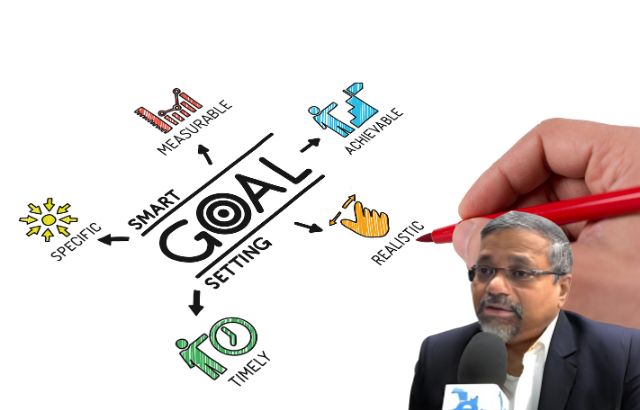
Specific, measurable goals provide a clear target to strive for, ensuring that efforts are concentrated and progress can be tracked. In the context of green innovation, this means setting precise objectives, such as reducing carbon emissions by a certain percentage, using renewable materials in products, or achieving zero waste in production processes. These measurable goals enable organizations to quantify their impact, make data-driven decisions, and adjust strategies as necessary to ensure optimal outcomes.
5. What are some examples of effective green innovation goals?
Answer:
Examples include:
- Achieving carbon neutrality by 2030.
- Transitioning to 100% renewable energy for manufacturing facilities.
- Reducing product packaging waste by 50% over the next five years.
- Designing products that are 100% recyclable or biodegradable.
- Implementing water conservation strategies to reduce water usage by 25% in the next two years.
- Developing eco-friendly transportation solutions to cut down on emissions in supply chains.
6. Can goal setting help businesses stay competitive in the green innovation market?
Answer:
Absolutely! As consumers and investors increasingly prioritize sustainability, setting and achieving ambitious environmental goals can differentiate a company in the market. Businesses that are seen as leaders in green innovation are more likely to attract eco-conscious customers, improve their market share, and enhance their reputation. Moreover, goal setting can create a culture of innovation, which keeps companies agile and ready to seize new opportunities in the growing green economy.
7. How can small businesses set effective green innovation goals?
Answer:
Small businesses can set realistic yet impactful green innovation goals by:
- Starting with small-scale sustainability initiatives (e.g., switching to energy-efficient lighting or adopting sustainable sourcing practices).
- Leveraging available resources such as government incentives, grants, or partnerships with local environmental organizations.
- Educating employees and fostering a sustainability-focused culture.
- Tracking progress toward measurable milestones and adjusting strategies to improve efficiency over time.
Even small steps can lead to significant environmental and financial benefits.
8. What is the role of leadership in goal setting for green innovation?
Answer:
Leadership plays a crucial role in setting the tone for green innovation goals. Leaders must communicate the vision for sustainability clearly, inspire teams, and allocate resources to ensure the successful implementation of goals. They also need to hold the organization accountable and provide the necessary support to overcome challenges. Strong leadership fosters a culture where green innovation is prioritized, and sustainability goals are integrated into the company’s core values.
9. How can goal setting in green innovation benefit the environment at large?
Answer:
When businesses, governments, and individuals set sustainability goals, these collective actions contribute to broader environmental benefits. For instance, widespread adoption of energy-efficient technologies, waste reduction practices, and sustainable sourcing can lead to a reduction in global carbon footprints, less waste in landfills, and the preservation of natural resources. In the long term, goal setting helps address climate change, biodiversity loss, and other pressing environmental challenges.
10. What are some common challenges in setting and achieving green innovation goals?
Answer:
Challenges include:
- Financial constraints: Implementing green innovations can require significant upfront investment, which can be a barrier for some organizations.
- Resistance to change: Employees or stakeholders may be reluctant to embrace new processes or technologies.
- Lack of infrastructure or expertise: Businesses may need to invest in new technologies or hire skilled professionals to achieve sustainability goals.
- Measuring impact: Quantifying the environmental impact of innovations can be complex, especially when dealing with long-term outcomes.
Despite these challenges, goal setting encourages businesses to develop creative solutions to overcome barriers and continue progressing toward sustainability.
11. How do personal goal-setting practices apply to green innovation?
Answer:
Personal goal-setting can play an important role in driving green innovation on an individual level. Whether it’s reducing personal carbon emissions, committing to a zero-waste lifestyle, or supporting sustainable businesses, personal goals can inspire collective action. Employees who set personal sustainability goals can bring their passion and commitment to their work, helping to drive the broader green innovation agenda within their organization. Additionally, individuals who model sustainable behaviors can influence others in their communities, creating a ripple effect of positive environmental impact.
Conclusion
Goal setting is a vital component of driving green innovation and creating a sustainable future. Like farm animals guided by a shepherd or motivated by lush pastures, individuals and organizations can harness the power of clear, actionable goals to achieve remarkable environmental progress. By focusing on measurable progress, optimizing resources, fostering innovation, and ensuring long-term impact, goal setting transforms aspirations into tangible, green realities. As we continue to set and pursue ambitious goals, we pave the way for a healthier, more sustainable planet for all.