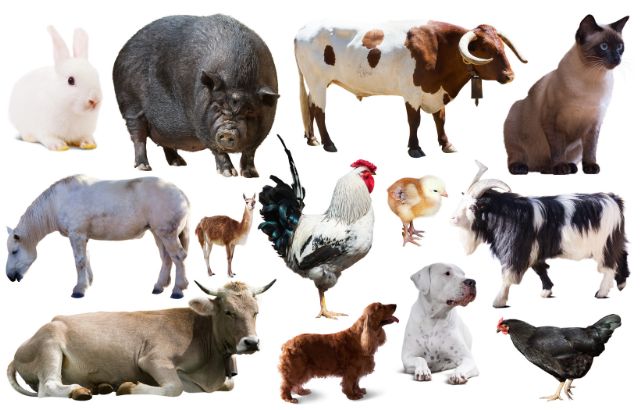
In today’s evolving livestock industry, nutrition has become far more precise than simply “feeding to fill.” Modern animal production depends on carefully designed feed supplements that improve immunity, digestion, growth, and overall productivity. To explore this in depth, we draw on the expertise of Jaiguru Kadam, a globally experienced Subject Matter Specialist (SMS) in animal nutrition and feed science.
🌍 Who is Jaiguru Kadam?
Jaiguru Kadam is a seasoned expert with extensive experience across Asia, Europe, and emerging livestock markets. His work focuses on:
- Designing species-specific feed formulations
- Advising dairy, poultry, and aquaculture farms
- Conducting nutritional audits and deficiency mapping
- Training farmers and agribusinesses on cost-effective feeding strategies
He emphasizes a simple philosophy:
“Feed is not an expense—it’s the most controllable investment in animal performance.”
🧪 The Role of Feed Supplements in Livestock
Feed supplements bridge nutritional gaps that regular feed cannot fully address. These include:
1. Vitamins & Minerals: The Immunity Backbone
Deficiencies in Vitamin A, D, E, calcium, or selenium can reduce productivity by up to 15–25% in dairy cattle.
Example (Dairy Farm):
A herd producing 20 liters/day drops to 16 liters due to mineral deficiency.
- Loss per cow = 4 liters/day
- If milk sells at ₹35/liter → ₹140 loss/day/cow
- For 50 cows → ₹7,000/day loss
👉 Kadam’s intervention: Customized mineral mix → production restored within 3–4 weeks.
2. Protein & Amino Acids: Growth Drivers
Protein supplements like soybean meal and amino acids (lysine, methionine) are critical for muscle development and milk yield.
Stat: Balanced amino acid supplementation can improve feed conversion efficiency by 8–12% in poultry.
3. Gut Health: Probiotics & Enzymes
Digestive efficiency determines how well animals utilize feed.
- Probiotics improve gut flora
- Enzymes like cellulase and amylase break down complex nutrients
Example (Poultry):
Adding enzymes reduced feed consumption from 1.8 kg to 1.65 kg per kg of weight gain.
👉 Savings = 150g feed per bird
👉 For 10,000 birds = 1.5 tons feed saved per cycle
4. Fatty Acids & Coat Health
Omega-3 and Omega-6 fatty acids improve:
- Skin condition
- Fertility rates
- Milk fat percentage
Stat: Farms using fatty acid supplementation report up to 0.3–0.5% increase in milk fat.
5. Mycotoxin Binders: Hidden Protectors
Contaminated feed can silently reduce performance.
Kadam recommends binders like bentonite to:
- Neutralize toxins
- Protect liver health
- Prevent production losses
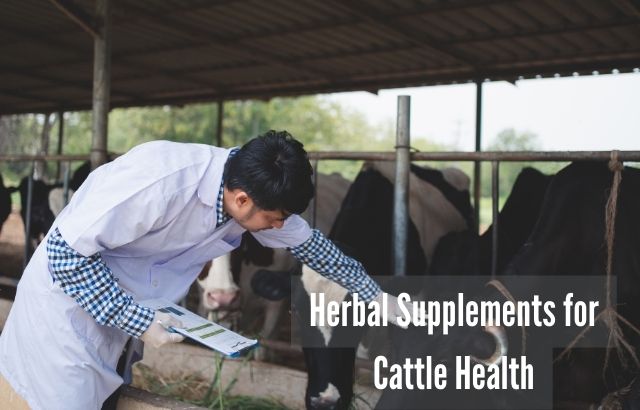
6. Herbal & Stress Management Supplements
Natural additives like turmeric, garlic, and adaptogens help:
- Reduce stress in transport or heat
- Improve immunity naturally
Stat: Heat stress can reduce feed intake by 10–30% in tropical climates like India.
📊 Practical Feed Cost Optimization (Real Scenario)
Farm Scenario:
- 100 dairy cows
- Feed cost per cow/day = ₹250
- Total daily feed cost = ₹25,000
After Kadam’s optimization:
- Improved digestion efficiency by 10%
- Reduced feed wastage → savings of ₹20 per cow
👉 New cost = ₹230 per cow
👉 Daily savings = ₹2,000
👉 Annual savings = ₹7.3 lakh
🧠 Jaiguru Kadam’s Strategic Approach
Step 1: Nutritional Diagnosis
Analyze current feed composition and identify deficiencies.
Step 2: Targeted Supplementation
Instead of adding everything, focus on limiting nutrients.
Step 3: Monitoring & Adjustment
Track:
- Milk yield
- Growth rate
- Feed conversion ratio (FCR)
Step 4: Farmer Training
Kadam emphasizes awareness:
“Even the best supplement fails if used incorrectly.”
🌟 Surprising Industry Data & Stats

- Global feed supplement market is growing at ~6–8% CAGR
- Proper supplementation can improve livestock productivity by 20–40%
- Up to 70% of livestock diseases are linked to nutritional imbalances
- Feed accounts for 60–70% of total livestock production cost
❓ Frequently Asked Questions (FAQs)

1. Are feed supplements necessary for all animals?
Not always—but in commercial farming, they are essential to meet production goals and prevent hidden deficiencies.
2. Can over-supplementation harm animals?
Yes. Excess minerals (like selenium or copper) can be toxic. Always follow expert recommendations.
3. How soon can results be seen?
- Digestive improvements: 1–2 weeks
- Milk yield or growth: 3–4 weeks
- Immunity benefits: gradual but long-term
4. Are herbal supplements effective?
Yes, especially for stress management and immunity, but they should complement—not replace—core nutrition.
5. What is the biggest mistake farmers make?
According to Kadam:
“Using generic supplements without understanding the animal’s actual deficiency.”
🏁 Final Thoughts
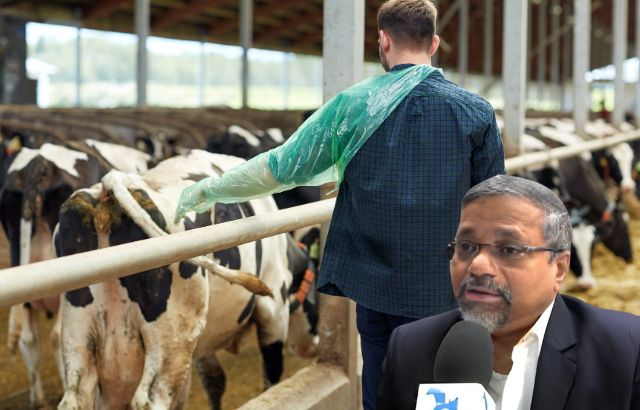
Feed supplementation is no longer optional—it’s a strategic tool for profitability and sustainability. With experts like Jaiguru Kadam guiding precision nutrition, farmers can:
- Reduce costs
- Improve productivity
- Enhance animal welfare
The future of livestock farming lies in data-driven, customized nutrition, not one-size-fits-all feeding.