By Green Innovator Jaiguru Kadam
The Morning That Changed Everything
At 4:30 a.m. in a rural dairy belt in western India, a farmer stood silently beside his cattle shed, staring at sacks of soybean meal he had purchased just three weeks earlier. Prices had suddenly dropped by nearly 18%, while his milk margins were already shrinking.
“What hurts,” he whispered, “is not the feed cost alone. It’s buying at the wrong time.”
That single sentence captures one of the least discussed realities in animal nutrition: market timing strategy in feed formulation.
Most nutritionists focus only on nutrient balance. Most traders focus only on commodity prices. But the future belongs to those who combine nutrition science, market intelligence, sustainability, and climate-smart supplementation into one integrated strategy.
Global feed production reached 1.44 billion metric tons in 2025, growing by 2.9% year over year. At the same time, feed additive markets are expanding rapidly due to pressure for higher efficiency and lower emissions.
Yet very few producers realize this:
“The biggest profit in feed manufacturing is often created before the formulation begins — during procurement timing.”
— Jaiguru Kadam
The Hidden Science Behind Market Timing in Feed Formulations
Feed formulation has traditionally been viewed as a static nutritional exercise:
- Protein requirement
- Energy balancing
- Amino acid correction
- Mineral optimization
But in modern livestock economics, formulation is now dynamic and market-linked.
A market timing strategy means purchasing and integrating ingredients based on:
- Seasonal commodity cycles
- Climate-driven crop fluctuations
- Global freight trends
- Currency volatility
- Carbon footprint intensity
- Future supply risks
This transforms feed formulation from a cost center into a strategic sustainability tool.
Why 2025–2026 Is a Turning Point
The global animal feed additives market was valued at approximately USD 44.4 billion in 2025 and is projected to grow significantly over the next decade.
Meanwhile:
- India’s feed additive market crossed USD 1.09 billion in 2025 with strong projected growth.
- Methane emissions from livestock remain one of agriculture’s biggest climate concerns.
- Precision nutrition and methane-reducing additives are becoming mainstream globally.
This means feed manufacturers are no longer competing only on price.
They are competing on:
- Carbon efficiency
- Resource optimization
- Ingredient intelligence
- Sustainability compliance
- Timing accuracy
The Lesser-Known Insight Most Blogs Ignore
Timing Feed Ingredients Can Reduce Carbon Emissions
Most discussions around sustainability focus on replacing ingredients.
But few experts discuss this:
Proper timing of ingredient procurement itself can lower environmental impact.
How?
When feed mills buy ingredients during peak local harvest windows:
- transportation distances shrink,
- storage losses decline,
- spoilage decreases,
- emergency imports reduce,
- energy consumption falls.
This creates a measurable carbon advantage.
Simple Example
Suppose a feed mill imports 1,000 tons of soybean meal during a shortage season.
Imported logistics emission estimate:
- ~0.35 tons CO₂ per ton transported
Total:
- 1,000 × 0.35 = 350 tons CO₂
If the same mill strategically procures locally during harvest season:
- logistics emissions may reduce to ~0.12 tons CO₂ per ton
Revised emissions:
- 1,000 × 0.12 = 120 tons CO₂
Potential Carbon Savings:
230 tons CO₂ avoided
That equals:
- removing approximately 50 passenger cars from roads annually.
Case Study 1: Poultry Feed Optimization in Southeast Asia
A poultry integrator in Southeast Asia faced severe corn price volatility during El Niño-linked drought conditions.
Instead of relying heavily on imported maize, the company:
- shifted partially to cassava and rice bran,
- used enzyme-based supplements,
- timed amino acid purchases during currency stabilization.
Results within one production cycle:
- feed cost reduced by 9%
- feed conversion improved by 4%
- storage wastage declined significantly
Most importantly:
the company reduced dependence on high-carbon emergency imports.
“Sustainability is not achieved by expensive innovation alone. Sometimes it begins with intelligent timing.”
— Jaiguru Kadam
Case Study 2: Methane-Reducing Feed Additives in Dairy Systems
Recent global trials involving methane-reducing cattle feed additives showed average methane reductions of around 36% in controlled studies.
Some feed additives now target:
- rumen microbial balance,
- digestion efficiency,
- methane suppression.
While adoption costs remain a challenge, many farms report improved feed efficiency offsetting the investment.
Simple Methane Reduction Estimate
A dairy farm with 500 cattle emits approximately:
- 100 kg methane/cow/year (illustrative benchmark)
Total:
- 50,000 kg methane annually
If additives reduce methane by 30%:
- reduction = 15,000 kg methane
Since methane is far more potent than CO₂:
this creates enormous climate benefits.
Case Study 3: Insect Protein – The Emerging Revolution
One of the world’s largest insect-protein facilities in France is now converting food waste into sustainable animal feed protein using black soldier fly larvae.
This innovation addresses multiple crises simultaneously:
- food waste
- soy dependency
- land pressure
- feed sustainability
What many ignore is the timing advantage:
insect protein production can remain relatively stable even when conventional crop markets fluctuate.
That makes it a strategic resilience ingredient.
Did You Know?
Surprising Facts About Feed Sustainability
Did You Know #1
Livestock methane contributes significantly to global warming pressure, making feed formulation one of the most important climate intervention tools in agriculture.
Did You Know #2
Global feed production exceeded 1.44 billion metric tons in 2025.
Did You Know #3
Black soldier fly larvae can convert food waste into high-protein feed ingredients within just two weeks.
Did You Know #4
Precision nutrition technologies are now using AI and predictive analytics to forecast livestock growth and optimize feeding patterns.
Did You Know #5
Reducing feed wastage by just 5% in large feed mills can save thousands of dollars annually while cutting hidden carbon emissions.
The Green Future: Where Feed Formulation Is Heading
The future of feed formulation will combine:
- AI-based forecasting
- commodity timing analytics
- methane-reducing additives
- circular agriculture
- precision supplementation
- carbon accounting
Feed mills of the future may soon operate like financial trading systems:
predicting not just nutrition needs, but environmental and economic risks simultaneously.
Frequently Asked Questions (FAQs)
1. What is market timing strategy in feed formulation?
It is the practice of purchasing and utilizing feed ingredients based on market cycles, seasonal trends, availability, and sustainability factors to optimize cost and performance.
2. Why is timing important in animal feed supplementation?
Because ingredient prices fluctuate significantly. Strategic timing can reduce procurement costs, improve margins, and reduce dependence on imports.
3. Can feed additives really reduce methane emissions?
Yes. Several studies and commercial trials have demonstrated measurable methane reductions using specialized feed additives.
4. How does sustainable feed formulation help farmers?
It improves feed efficiency, reduces waste, lowers environmental impact, and can improve profitability over time.
5. What role will AI play in future feed strategies?
AI will help forecast ingredient prices, predict livestock growth, optimize nutrient balancing, and improve sustainability decision-making.
6. Are alternative proteins like insects commercially viable?
They are emerging rapidly, especially in aquaculture and specialty feed sectors, though scaling and cost remain challenges
Actionable Steps for Feed Manufacturers and Farmers
✔ Monitor commodity cycles weekly
Track soybean, maize, amino acid, and mineral markets continuously.
✔ Build flexible formulations
Avoid dependence on a single raw material.
✔ Invest in predictive procurement
Use market intelligence tools and forward contracts wisely.
✔ Adopt sustainability metrics
Measure feed efficiency alongside carbon efficiency.
✔ Explore methane-reducing supplements
Pilot small-scale trials before full adoption.
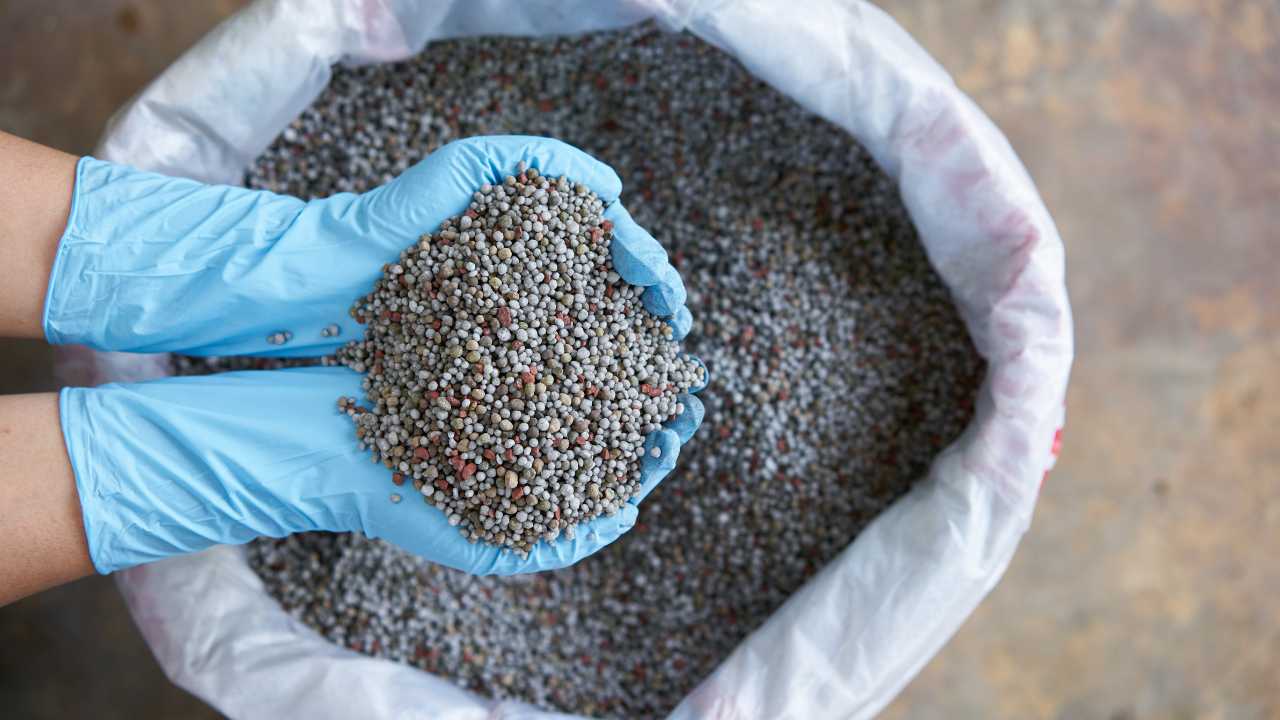
✔ Reduce feed wastage aggressively
Every kilogram wasted carries hidden carbon and financial costs.
A Vision Beyond Profit
The next agricultural revolution will not be defined merely by higher production.
It will be defined by:
- smarter resource use,
- lower emissions,
- resilient supply systems,
- and ethical sustainability.
Feed formulation is no longer just about feeding animals.
It is about feeding the future responsibly.
As Jaiguru Kadam says:
“The green future of livestock nutrition will belong to those who understand that timing, technology, and sustainability are no longer separate strategies — they are one integrated responsibility.”
The feed industry now stands at a historic crossroads.
One path continues reactive purchasing and unsustainable expansion.
The other embraces intelligent timing, climate-smart supplementation, and regenerative thinking.
The future will reward those who choose wisely.