1. Introduction: Why Mood-Boosting Foods Matter More Than Ever
Mental wellbeing has become an increasingly important part of the global health conversation. Modern lifestyles, demanding work environments, irregular eating patterns, sleep disruption and changing food habits have encouraged consumers to look more closely at the relationship between nutrition and emotional wellbeing.
Food is not simply a source of calories. It supplies the nutrients required for brain function, neurotransmitter production, energy metabolism and numerous biological processes that influence how the body functions. Consequently, dietary quality is an important consideration in discussions about mental wellbeing.
This has increased interest in mood boosting foods—nutrient-rich foods that contribute to a balanced dietary pattern and support the body’s normal neurological and metabolic functions.
However, an important distinction must be made: no individual food can guarantee happiness, eliminate stress or independently treat depression. The relationship between nutrition and mood is complex, involving dietary patterns, genetics, physical activity, sleep, socioeconomic circumstances and overall health.
According to the World Health Organization, healthy diets are built around adequacy, balance, moderation and diversity. These principles provide a practical foundation for connecting nutritional wellbeing with responsible food choices.
From the perspective of Jaiguru Kadam, Subject Matter Specialist, Global Sustainability Expert, Green Innovation Strategist and Industry Thought Leader, the opportunity extends beyond identifying foods associated with better wellbeing. It involves understanding how food systems can deliver accessible, nutritious, environmentally responsible products while creating long-term value for consumers and businesses.
The strategic question is no longer simply which foods may improve mood. It is how nutrition science, food innovation, responsible sourcing and consumer education can work together to support healthier lifestyles.
2. Understanding the Science Behind Mood-Boosting Foods

The brain requires a continuous supply of energy and nutrients to maintain normal functioning. Several nutrients participate in processes associated with neurotransmitters, nerve signalling, cellular protection and metabolic regulation.
Neurotransmitters are chemical messengers that allow nerve cells to communicate. Serotonin, dopamine and noradrenaline are among the neurotransmitters commonly discussed in relation to mood, motivation, attention and emotional regulation.
Diet influences the availability of nutrients involved in these processes, but the relationship is not as simple as consuming a particular food and immediately increasing a specific neurotransmitter.
2.1 Serotonin and dietary tryptophan
Serotonin is involved in several physiological processes, including mood regulation, sleep and appetite. The body produces serotonin using the amino acid tryptophan, which must be obtained through food.
Foods containing tryptophan include:
- Eggs.
- Milk and yoghurt.
- Fish.
- Chicken and other poultry.
- Soybeans and tofu.
- Pumpkin seeds.
- Nuts and seeds.
However, eating tryptophan-rich foods does not automatically increase serotonin activity in the brain. Tryptophan competes with other amino acids for transport across the blood-brain barrier, and its availability depends on several metabolic factors.
Strategic insight from Jaiguru Kadam: Food innovation should focus on balanced nutritional value rather than marketing individual ingredients as direct mood-enhancing solutions. Credible nutrition positioning creates stronger consumer trust over the long term.
2.2 Dopamine and nutritional building blocks
Dopamine participates in motivation, reward processing, attention and movement. Its production involves the amino acids tyrosine and phenylalanine.
Dietary sources include:
- Legumes and lentils.
- Eggs.
- Dairy products.
- Fish.
- Soy products.
- Nuts and seeds.
These foods contribute protein and other essential nutrients. However, dietary tyrosine intake should not be interpreted as a direct method of controlling dopamine levels or treating mood disorders.
2.3 The gut-brain connection
The gut-brain axis describes the communication network connecting the gastrointestinal system and the central nervous system. It involves neural, hormonal, immune and metabolic signalling pathways.
The gut microbiome—the community of microorganisms living in the digestive tract—also participates in this complex relationship.
Dietary fibre from vegetables, fruits, legumes and whole grains supports normal digestive function and provides substrates that gut microorganisms can ferment into metabolites, including short-chain fatty acids.
This is one reason why dietary diversity matters. A varied intake of plant foods supplies different types of fibre and other compounds that contribute to a healthy digestive environment.
Nevertheless, research into the gut-brain relationship is evolving. The presence of beneficial gut microorganisms does not establish that a particular food will directly improve an individual’s mood.
2.4 Blood glucose and energy stability
The brain depends on a continuous energy supply. Eating patterns that combine fibre-rich carbohydrates, protein and healthy fats can support balanced meals and more sustained energy availability.
For example, replacing a breakfast consisting primarily of refined sugary foods with oats, nuts, yoghurt and fruit provides a more varied combination of nutrients and dietary fibre.
This is a practical nutritional improvement, although individual blood glucose responses vary according to health status, meal composition and metabolic characteristics.
3. Top Mood-Boosting Foods and Their Nutritional Benefits
The most useful approach is to select a combination of foods that supplies different nutrients rather than relying on one supposedly powerful ingredient.
3.1 Dark leafy green vegetables
Examples: Spinach, kale, broccoli, amaranth leaves and other locally available green vegetables.
Leafy greens provide folate, magnesium, vitamin K, carotenoids and dietary fibre. Folate participates in normal cellular metabolism and processes involved in neurotransmitter synthesis.
Low folate status can be associated with adverse health outcomes, including neurological concerns. However, eating additional leafy vegetables should not be presented as a guaranteed treatment for depression.
Practical application: Include green vegetables in lunch and dinner through salads, soups, cooked vegetable dishes or grain bowls.
Green innovation perspective: Food producers can investigate locally cultivated leafy vegetables, efficient cold-chain management, minimally processed products and appropriate preservation technologies to reduce nutrient losses and avoid unnecessary food waste.
3.2 Bananas
Bananas provide carbohydrates, vitamin B6, potassium and dietary fibre. Vitamin B6 contributes to normal nervous system function and is involved in neurotransmitter metabolism.
Bananas are also convenient, widely available and relatively easy to incorporate into breakfast, snacks and smoothies.
Practical application: Combine a banana with unsweetened yoghurt, oats or nuts for a more nutritionally balanced snack.
Sustainability opportunity: Banana processing generates peels and other residual biomass. Appropriate recovery pathways can explore composting, anaerobic digestion and other suitable uses rather than treating all agricultural residues as disposal material.
3.3 Fatty fish
Examples: Salmon, sardines, mackerel and other oily fish.
Oily fish provide long-chain omega-3 fatty acids, particularly EPA and DHA. These fatty acids play important roles in cell membranes and normal physiological processes.
Some research has examined omega-3 supplementation in relation to depressive symptoms, but results vary according to population, formulation, dosage and study design.
Fish can be included as part of a balanced diet, but it should not be marketed as a standalone mental health treatment.
Practical application: Consider appropriate portions of oily fish within dietary recommendations and individual nutritional requirements.
Green innovation perspective: Sustainable fisheries management, responsible aquaculture, traceability, feed efficiency and reduced processing waste are important considerations. Plant-based omega-3 sources, including algae-derived ingredients, also offer innovation opportunities.
3.4 Nuts and seeds
Examples: Walnuts, almonds, chia seeds, flaxseeds, pumpkin seeds and sunflower seeds.
Nuts and seeds contribute unsaturated fats, fibre, plant protein, magnesium and other micronutrients. Walnuts and flaxseeds are notable plant sources of alpha-linolenic acid, an omega-3 fatty acid.
Pumpkin seeds also provide magnesium and zinc, which contribute to normal physiological functions.
Practical application: Add a small handful of unsalted nuts or seeds to breakfast cereals, salads or yoghurt.
Commercial opportunity: Nut and seed ingredients can support product development in snack bars, breakfast cereals, plant-based foods and fortified nutritional products. Formulators must consider allergen management, oxidation stability, shelf life and responsible sourcing.
3.5 Oats and whole grains
Examples: Oats, brown rice, whole wheat, millet, barley and quinoa.
Whole grains provide complex carbohydrates, fibre, B vitamins and minerals. Their fibre content supports digestive health and can contribute to a more gradual post-meal glucose response compared with many refined grain alternatives.
Oats contain beta-glucan, a soluble fibre associated with established cholesterol-related health benefits.
Practical application: Replace some refined grain products with wholegrain alternatives. Combine oats with fruit, nuts and a protein source for a balanced breakfast.
Green innovation perspective: Millet, sorghum and regionally adapted grains offer opportunities to diversify agricultural supply chains. Their suitability depends on local climate, agronomic conditions, processing infrastructure and consumer acceptance.
3.6 Fermented foods
Examples: Plain yoghurt, kefir, selected fermented vegetables, tempeh and traditional fermented foods.
Fermentation uses microorganisms to transform food components and can influence flavour, texture, digestibility and nutritional characteristics.
Some fermented foods contain live microorganisms, while others do not retain viable cultures after processing. Therefore, fermented food and probiotic food should not automatically be treated as interchangeable terms.
Emerging research is examining the relationship between fermented foods, gut microbial diversity, inflammation and mental wellbeing. However, specific mood benefits remain an area requiring further investigation.
Practical application: Include suitable fermented foods as part of a varied diet, while considering sodium content, food safety and individual tolerance.
Green innovation perspective: Controlled fermentation can improve the utilization of selected agricultural raw materials, develop new flavours and create opportunities for value addition. Process hygiene, microbial stability and consistent product quality remain essential.
3.7 Berries and colourful fruits
Examples: Blueberries, strawberries, oranges, guava, amla, papaya and other locally available fruits.
Fruits provide vitamin C, fibre, potassium and various bioactive compounds. Berries contain polyphenols, including anthocyanins, while citrus fruits and guava provide vitamin C.
These compounds participate in normal physiological processes, including antioxidant defence. However, antioxidant content alone does not establish a clinically meaningful mood-enhancing effect.
Practical application: Choose whole fruit more frequently than fruit juice, as whole fruit generally retains more of its natural fibre and requires more chewing.
Sustainability opportunity: Seasonal sourcing, appropriate storage, improved grading and processing of edible surplus fruit can reduce avoidable losses. Fruit processing residues may also offer opportunities for suitable food ingredients, provided safety and regulatory requirements are satisfied.
3.8 Dark chocolate
Dark chocolate contains cocoa flavanols and other polyphenolic compounds. Cocoa also contains naturally occurring stimulant compounds, including theobromine and smaller quantities of caffeine.
Some people experience short-term enjoyment from consuming chocolate, but this should not be confused with evidence that chocolate reliably improves mental health.
Products vary considerably in cocoa content, added sugar, fat composition and portion size.
Practical application: If desired, consume dark chocolate in moderate portions and compare nutrition labels rather than assuming every dark chocolate product is nutritionally equivalent.
Green innovation perspective: Cocoa supply chains present opportunities for improved agricultural traceability, responsible sourcing, efficient processing and better utilization of cocoa pod residues. Manufacturers should also address deforestation risks and supply-chain transparency.
3.9 Legumes and pulses
Examples: Lentils, chickpeas, kidney beans, black beans, peas and soybeans.
Legumes are important sources of plant protein, dietary fibre, folate, iron and other minerals. They also provide amino acids required for normal protein synthesis and metabolic processes.
Regularly incorporating pulses can improve dietary diversity and support a more plant-forward eating pattern.
Practical application: Include lentils in soups, chickpeas in salads, beans in main meals and hummus as a snack accompaniment.
Green innovation perspective: Pulses offer opportunities for sustainable protein development, ingredient diversification and value-added processing. Their commercial potential includes plant-based protein ingredients, pulse flours, ready-to-cook products and affordable nutrition solutions.
3.10 Eggs and dairy products
Eggs provide high-quality protein, vitamin B12, choline and other nutrients. Dairy foods such as milk and yoghurt provide protein, calcium and vitamin B12, with some products also contributing vitamin D depending on fortification.
These nutrients support normal nervous system function, cellular metabolism and other physiological processes.
Practical application: Use eggs, milk, yoghurt or suitable fortified alternatives according to individual dietary preferences, nutritional needs and food tolerances.
Green innovation perspective: Opportunities include reducing food loss, improving animal feed efficiency, responsible water management, sustainable packaging and developing nutritionally appropriate plant-based alternatives.
4. Nutrients That Matter in a Mood-Supportive Diet
Understanding individual nutrients helps consumers and food innovators evaluate products more intelligently.
| Nutrient | Primary physiological role | Food sources | Practical consideration |
|---|---|---|---|
| Omega-3 fatty acids | Cell membrane structure and normal physiological functions | Oily fish, walnuts, flaxseeds, chia seeds and algae | Consider dietary variety and sustainable sourcing. |
| Vitamin B6 | Normal nervous system function and amino acid metabolism | Bananas, chickpeas, potatoes, poultry and fish | Include varied whole-food sources. |
| Vitamin B12 | Normal neurological function and red blood cell formation | Fish, eggs, dairy and fortified foods | People following strict vegan diets need reliable fortified sources or appropriate supplementation advice. |
| Folate | Cell division and normal metabolic processes | Leafy vegetables, legumes and fortified grains | Dietary adequacy is particularly important during pregnancy. |
| Magnesium | Normal muscle and nerve function and energy metabolism | Nuts, seeds, whole grains and legumes | Choose varied sources rather than relying on one ingredient. |
| Iron | Oxygen transport and energy metabolism | Legumes, leafy vegetables, meat and fortified foods | Consider iron bioavailability and individual deficiency risk. |
| Zinc | Normal immune function and numerous enzyme activities | Seeds, legumes, dairy, seafood and meat | Account for differences in absorption from different food sources. |
| Vitamin D | Bone health, immune function and other physiological processes | Fatty fish, egg yolks and fortified foods | Sun exposure, diet and individual requirements influence vitamin D status. |
A key distinction is that correcting a nutrient deficiency is different from consuming additional quantities of that nutrient when nutritional requirements are already met.
More is not automatically better. Excessive supplementation can create health risks, and supplement use should be guided by individual needs and appropriate professional advice.
5. What Research Says About Nutrition and Mental Wellbeing
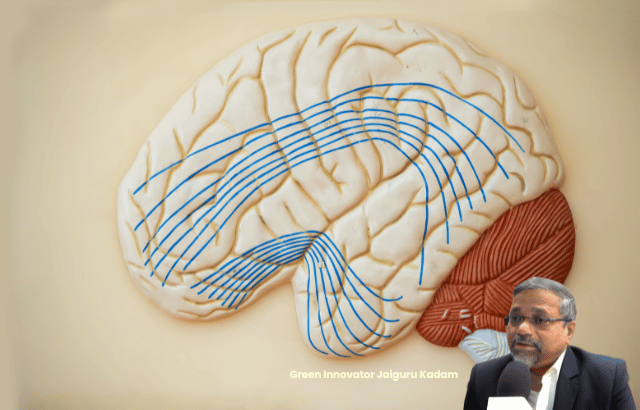
Scientific interest has increasingly shifted from individual foods towards overall dietary patterns.
One example is the Mediterranean-style dietary pattern, which emphasizes vegetables, fruits, legumes, whole grains, nuts, olive oil and appropriate amounts of fish and other protein sources.
A 2024 systematic review and meta-analysis of randomized controlled trials examined Mediterranean diet interventions and depressive symptoms. The findings suggested potential benefits, but the authors also identified limitations, including low certainty of evidence and the need for larger, higher-quality, longer-term trials.
Earlier prospective research has also reported associations between higher-quality dietary patterns and lower subsequent depressive symptom risk. However, observational associations cannot independently establish that dietary changes caused those outcomes.
This distinction is important for consumers and businesses alike.
5.1 Association versus causation
If people following healthier diets report better mental wellbeing, several factors may contribute:
- Higher overall nutritional quality.
- Better physical health.
- More consistent meal routines.
- Differences in income, education and access to food.
- Physical activity and sleep patterns.
- Social and environmental circumstances.
Consequently, responsible communication should avoid presenting associations as proven treatment effects.
5.2 Why dietary patterns matter more than individual ingredients
Consider two hypothetical dietary patterns.
Pattern A: A person regularly consumes sugary drinks, refined snacks, very few vegetables, limited whole grains and inconsistent protein sources.
Pattern B: A person regularly consumes vegetables, fruits, pulses, whole grains, nuts, adequate protein and mostly unsweetened beverages.
Pattern B offers greater dietary diversity and generally better alignment with established healthy eating principles.
The difference is not attributable to a single superfood. It reflects the combined contribution of food quality, nutritional adequacy and consistency.
6. The Food Industry Opportunity: From Mood-Related Nutrition to Responsible Innovation
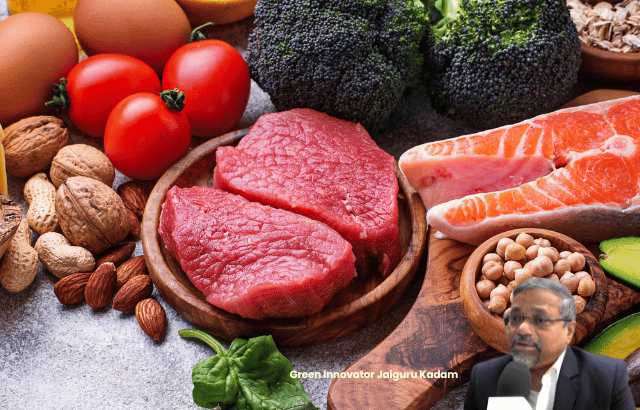
The growing interest in food and mental wellbeing creates opportunities across agriculture, food manufacturing, ingredient development, retail and nutrition-focused product innovation.
However, companies must distinguish between a consumer trend and a scientifically substantiated product benefit.
For food manufacturers, the commercial opportunity is to develop convenient, appealing and nutritionally meaningful products without making unsupported psychological or medical claims.
6.1 Functional food product development
Manufacturers can explore products containing ingredients such as:
- Whole grains and oats for fibre-rich formulations.
- Nuts and seeds for unsaturated fats and minerals.
- Legume proteins for plant-based nutritional products.
- Fruit ingredients for flavour, fibre and naturally occurring micronutrients.
- Fermented ingredients for flavour development and selected functional characteristics.
- Algae-derived ingredients as potential sources of specific nutrients, including DHA.
The objective should be to deliver a meaningful nutritional profile, not simply add fashionable ingredients to an existing product.
6.2 Clean-label and transparent formulation
Consumers increasingly examine ingredient lists, added sugars, sodium levels, allergens and nutritional information.
Manufacturers can respond through:
- Reducing unnecessary added sugars.
- Improving fibre content where technically appropriate.
- Selecting suitable sources of unsaturated fats.
- Using recognizable and accurately declared ingredients.
- Improving portion-size transparency.
- Providing clear allergen and nutrition information.
These improvements can strengthen product credibility and support long-term brand differentiation.
6.3 Personalised nutrition and digital innovation
Digital nutrition platforms, food tracking technologies and personalized dietary recommendations are creating new opportunities to connect consumers with relevant food choices.
Potential applications include:
- Meal planning based on dietary preferences.
- Recommendations for increasing dietary diversity.
- Ingredient traceability through digital information systems.
- Personalized nutrition education.
- Digital tools for monitoring food purchasing and household food waste.
However, technology should not make unsupported predictions about emotional states or replace qualified mental health assessment. Personal health information must also be handled responsibly.
6.4 Product formulation and technical challenges
Developing nutritionally meaningful products involves several practical challenges:
- Ingredient stability: Omega-3 fatty acids and certain plant compounds can be sensitive to oxidation, light, heat and storage conditions.
- Bioavailability: The presence of a nutrient does not necessarily mean that the body can absorb and utilize it efficiently.
- Sensory performance: High-fibre ingredients, plant proteins and fermented materials can affect flavour, texture and mouthfeel.
- Processing compatibility: Ingredients must remain suitable for the intended thermal, mechanical and preservation processes.
- Shelf life: Formulators must balance nutritional quality, microbial safety and product stability.
- Affordability: Nutritionally advanced products should not become accessible only to premium consumers.
From Jaiguru Kadam’s Green Innovation Strategist perspective, successful formulation is the ability to combine nutritional relevance, consumer acceptance, manufacturing efficiency and environmental responsibility in one commercially viable product.
7. Sustainability: Why Mood-Supportive Nutrition Must Also Consider the Planet

Nutrition and environmental sustainability should not be treated as separate conversations. Food production influences land use, water consumption, energy demand, greenhouse gas emissions, biodiversity and waste generation.
A product can have an attractive nutritional profile yet still involve inefficient sourcing, excessive packaging or avoidable production losses.
The opportunity is to create food systems that support both human and environmental wellbeing.
7.1 Prioritising diverse plant-based ingredients
Legumes, whole grains, vegetables, fruits, nuts and seeds provide a broad range of nutrients and can support more plant-forward dietary patterns.
WHO guidance on healthy diets emphasizes dietary diversity and the consumption of vegetables, fruits, pulses, whole grains and nuts.
Many plant-forward dietary patterns can also have environmental advantages, although actual impacts depend on agricultural practices, location, production methods, processing and transport.
7.2 Reducing food waste through value recovery
Food waste represents lost agricultural inputs, processing energy, labour, water and commercial value.
Food manufacturers can investigate the following opportunities:
- Recovering edible fruit and vegetable surplus for suitable products.
- Using appropriate cereal and pulse processing by-products in food or feed applications.
- Evaluating fruit peels and other residues for suitable ingredient extraction.
- Improving production scheduling to reduce excess inventory.
- Strengthening cold-chain performance to prevent spoilage.
- Diverting unavoidable organic residues to suitable composting or anaerobic digestion systems.
Not every by-product is safe or suitable for food use. Recovery decisions must account for contamination risks, food safety, processing requirements and applicable regulations.
7.3 Sustainable sourcing of high-value ingredients
Some ingredients associated with mood-supportive nutrition require particular attention to supply-chain responsibility.
Examples include:
- Fish and marine oils: Fisheries management, aquaculture practices and traceability.
- Cocoa: Deforestation risks, agricultural livelihoods and supply-chain transparency.
- Nuts: Water-use efficiency, agricultural practices and responsible sourcing.
- Plant proteins: Crop diversification, soil health and processing efficiency.
- Fruits and vegetables: Seasonal availability, cold-chain performance and post-harvest losses.
7.4 Sustainable packaging
Nutrition-oriented products often rely on packaging to protect sensitive ingredients from moisture, oxygen and light.
Packaging innovation should therefore consider both environmental impact and product protection.
Potential improvement areas include:
- Reducing unnecessary packaging material.
- Using packaging formats compatible with available recycling systems.
- Improving barrier performance to prevent food spoilage.
- Exploring reusable systems where practical.
- Reducing packaging-related production and distribution losses.
A lighter package is not automatically a better environmental solution if it increases product spoilage. The appropriate assessment should consider the full product life cycle.
8. A Green Innovation Framework for Mood-Supportive Food Development

Jaiguru Kadam’s Green Innovation Strategist perspective can be applied through a practical five-stage framework for evaluating food innovation opportunities.
Stage 1: Nutritional relevance
Start with a clearly identified nutritional objective.
- Which nutrients does the product provide?
- Does it improve an existing nutritional gap?
- Is the ingredient supported by credible evidence?
- Are the nutritional benefits relevant to the intended consumer?
Expected outcome: A scientifically defensible nutritional proposition.
Stage 2: Consumer value
Evaluate whether the product addresses an actual consumer requirement.
- Is it affordable?
- Does it taste appealing?
- Is it convenient to prepare and consume?
- Does it fit different dietary preferences?
- Can the consumer understand its nutritional purpose?
Expected outcome: A product proposition that consumers can understand and adopt.
Stage 3: Resource efficiency
Examine how efficiently ingredients and manufacturing resources are used.
- Can raw material losses be reduced?
- Can production energy be optimized?
- Can water consumption be measured and reduced?
- Can suitable by-products become valuable inputs?
- Can packaging material be reduced without compromising safety?
Expected outcome: Better operational efficiency and lower environmental intensity.
Stage 4: Commercial feasibility
Assess the financial and operational requirements.
- What is the cost per serving?
- Is ingredient supply reliable?
- Can the product be manufactured consistently?
- Does the market support the proposed price?
- Are regulatory and quality requirements achievable?
Expected outcome: A scalable and financially credible business model.
Stage 5: Measurable sustainability performance
Establish indicators that allow the company to evaluate actual progress.
- Water consumed per tonne of finished product.
- Energy consumed per tonne of production.
- Percentage of raw material converted into saleable products.
- Food waste generated per production batch.
- Packaging material used per serving.
- Greenhouse gas emissions per kilogram of product.
- Percentage of ingredients with verified supply-chain traceability.
Expected outcome: Credible environmental performance that can support continuous improvement and competitive positioning.
9. Hypothetical Business Scenario: Developing a Sustainable Mood-Supportive Breakfast Product
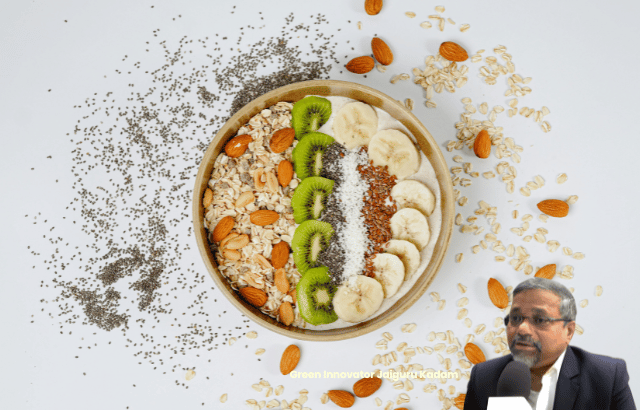
Consider a hypothetical food manufacturer seeking to enter the growing market for convenient, nutritionally balanced breakfast products.
The company identifies an opportunity to develop an oat-based breakfast mix containing locally sourced millet, pumpkin seeds, dried fruit and plant protein.
Rather than positioning the product as a treatment for stress or depression, the company communicates its actual nutritional characteristics: whole grains, plant protein, dietary fibre and selected micronutrients.
9.1 Product development approach
The company evaluates:
- Ingredient nutritional composition.
- Consumer taste preferences.
- Raw material availability.
- Manufacturing energy requirements.
- Packaging requirements.
- Product shelf life.
- Retail price and affordability.
9.2 Illustrative resource-efficiency calculation
Assume the manufacturer currently uses 1,000 kilograms of raw material per production cycle and converts 90% into saleable finished product.
Saleable output:
1,000 kg × 90% = 900 kg
Now assume process improvements increase conversion efficiency to 94%, without compromising food safety or product quality.
New saleable output:
1,000 kg × 94% = 940 kg
Additional output:
940 kg − 900 kg = 40 kg
The company generates approximately 4.44% more saleable product from the same raw material input, compared with its original output.
This is a hypothetical illustration, not a measured industry result.
9.3 Illustrative financial calculation
Assume:
- Additional saleable output: 40 kg.
- Net contribution per kilogram: $2.
- Additional contribution per production cycle: $80.
- Production cycles per year: 250.
Additional annual contribution:
40 kg × $2 × 250 = $20,000
If the process improvement requires an investment of $10,000, the simple annual return on that investment would be:
($20,000 ÷ $10,000) × 100 = 200%
This illustration assumes the additional output can be sold, the contribution margin remains constant and no additional operating costs are incurred. Actual ROI must account for installation, maintenance, labour, energy, working capital and implementation costs.
9.4 Strategic implications
This scenario demonstrates that sustainability and profitability can reinforce one another when innovation improves material productivity.
The company benefits from:
- More saleable output from existing resources.
- Potentially lower material intensity per unit.
- Improved production economics.
- Better utilization of agricultural ingredients.
- A stronger nutritional product proposition.
The competitive advantage comes not from claiming that a product creates happiness, but from combining credible nutrition, attractive sensory performance, efficient manufacturing and responsible sourcing.
10. What Food Companies Often Get Wrong
Interest in functional nutrition creates commercial opportunities, but poorly designed product strategies can weaken consumer confidence.
10.1 Treating individual ingredients as miracle solutions
Marketing a banana, chocolate product or supplement as a guaranteed mood enhancer oversimplifies nutritional science.
Better approach: Communicate the nutrient composition of the product and its place within a balanced dietary pattern.
10.2 Confusing ingredient presence with proven health benefits
A product containing magnesium or omega-3 fatty acids does not automatically deliver a clinically demonstrated mental health benefit.
Better approach: Ensure that nutrition and health claims are supported by the appropriate scientific evidence and satisfy applicable regulations.
10.3 Ignoring affordability
Premium functional foods may attract a specific consumer segment, but they do not necessarily provide an accessible solution for wider populations.
Better approach: Explore affordable ingredients such as pulses, oats, seasonal vegetables and regionally available grains.
10.4 Overlooking sustainability in ingredient sourcing
A nutritionally attractive ingredient can still involve significant environmental or supply-chain challenges.
Better approach: Evaluate traceability, agricultural practices, water use, processing requirements and supply-chain resilience.
10.5 Making exaggerated emotional health claims
Claims such as curing anxiety, eliminating depression or guaranteeing happiness can mislead consumers and create regulatory exposure.
Better approach: Use accurate, evidence-based descriptions and distinguish nutritional information from disease-treatment claims.
11. Competitive Advantage: How Businesses Can Differentiate Through Responsible Nutrition
As more companies introduce functional foods, differentiation will increasingly depend on the quality of the complete product proposition.
Jaiguru Kadam’s perspective as an Industry Thought Leader is that competitive advantage should emerge from combining five capabilities.
11.1 Scientific credibility
Companies should invest in nutrition expertise, formulation validation, ingredient specifications and evidence-based product communication.
11.2 Supply-chain transparency
Traceability systems can improve visibility into ingredient origin, supplier practices, quality specifications and sourcing risks.
11.3 Sustainable manufacturing
Energy efficiency, water management, production yield improvement and waste prevention can strengthen operational performance.
11.4 Consumer-centred formulation
Products must balance nutrition, taste, convenience, affordability and cultural relevance.
11.5 Measurable environmental performance
Companies should use credible indicators instead of relying on broad claims such as green, natural or planet-friendly without supporting evidence.
The strongest competitive position is created when consumers can recognize the product’s nutritional value, businesses can demonstrate its commercial viability and environmental performance can be independently assessed.
12. Regulatory and Responsible Marketing Considerations
Mood-related food marketing requires particular care because consumers may interpret emotional wellbeing claims as medical promises.
Requirements differ between countries and product categories. Food businesses operating internationally should assess relevant national legislation before launching products or communicating claims.
12.1 Nutrition claims
Claims concerning protein, fibre, vitamins, minerals, omega-3 fatty acids or other nutritional characteristics must meet applicable compositional and labelling requirements.
12.2 Health claims
Health claims must be scientifically substantiated and permitted under the applicable regulatory framework. Evidence for a nutrient’s normal physiological role does not automatically authorize a claim that it treats depression or improves mood.
12.3 Ingredient safety
Companies must assess ingredient quality, contaminants, microbial safety, allergen risks, permitted usage levels and appropriate storage conditions.
12.4 Indian and international considerations
For products marketed in India, manufacturers should evaluate applicable Food Safety and Standards Authority of India requirements, including relevant provisions concerning food safety, labelling, advertising and health supplements or nutraceuticals where applicable.
For international markets, companies may also need to evaluate the requirements of authorities such as the US Food and Drug Administration and the European Food Safety Authority within their respective legal frameworks.
Regulatory review should be incorporated during product development rather than treated as a final packaging-stage exercise.
13. A Practical Action Plan for Consumers and Food Industry Leaders
Turning nutrition knowledge into meaningful improvement requires action at both individual and organizational levels.
13.1 Recommendations for consumers
- Include a variety of vegetables and fruits in daily meals.
- Choose whole grains and pulses regularly.
- Include appropriate sources of protein.
- Consume nuts and seeds in suitable portions.
- Choose unsaturated fats more frequently than foods rich in unhealthy fats.
- Maintain regular hydration.
- Moderate caffeine and monitor individual sensitivity.
- Limit excessive added sugars and heavily processed foods.
- Maintain consistent meal routines where practical.
- Combine healthy eating with sleep, physical activity and other supportive lifestyle practices.
The WHO recommends that people older than 10 years aim for at least 400 grams of fruits and vegetables daily, alongside at least 25 grams of naturally occurring dietary fibre. Individual needs can differ, and these targets should be interpreted in the context of age, health status and local dietary guidance.
13.2 Recommendations for food manufacturers
- Review product portfolios for opportunities to improve nutritional quality.
- Identify affordable, nutrient-dense regional ingredients.
- Develop formulations that balance nutrition, sensory performance and shelf stability.
- Evaluate the environmental footprint of key raw materials.
- Improve production yield and reduce avoidable food waste.
- Optimize energy and water consumption.
- Establish ingredient traceability and supplier quality requirements.
- Validate nutrition and health claims before commercial communication.
- Measure product and process performance throughout the life cycle.
- Invest in consumer education and transparent labelling.
13.3 Recommendations for sustainability professionals
- Establish baseline resource consumption for priority product categories.
- Measure material, water and energy intensity per unit of finished product.
- Identify high-impact ingredients within the supply chain.
- Prioritize food waste prevention before considering downstream recovery options.
- Evaluate packaging through a product life-cycle perspective.
- Develop measurable sustainability targets.
- Report progress transparently and avoid unsupported environmental claims.
14. The Future of Mood-Supportive Food Innovation
The next stage of food innovation will likely involve closer integration between nutritional science, food technology, digital platforms, agricultural resilience and environmental performance.
14.1 Precision fermentation and alternative ingredients
Advances in fermentation technology may create new opportunities for producing selected proteins, nutritional ingredients and specialty compounds.
However, commercial viability will depend on production economics, safety, regulatory approval, consumer acceptance and life-cycle environmental performance.
14.2 Upcycled nutritional ingredients
Food-processing residues may provide opportunities to recover fibre, proteins and selected bioactive compounds. Their suitability depends on composition, contamination risks, extraction efficiency and regulatory requirements.
14.3 Climate-resilient crops
Millets, pulses and other regionally adapted crops may contribute to diversified agricultural systems and new nutritional products.
Investment in resilient supply chains can support food security while creating opportunities for ingredient manufacturers and food brands.
14.4 Better evidence and product transparency
Future market leaders will need to demonstrate what their products actually contain, how they are manufactured and whether their nutritional and environmental claims are credible.
Evidence-based innovation will become more important than simply using fashionable ingredients or emotional marketing messages.
15. Frequently Asked Questions About Mood-Boosting Foods

1. What are the best mood-boosting foods?
Foods that support a balanced, nutrient-rich dietary pattern include leafy green vegetables, oily fish, nuts, seeds, whole grains, legumes, fruits, eggs and suitable fermented foods. No individual food guarantees improved mood.
2. Can food directly increase serotonin?
Food supplies tryptophan, an amino acid used by the body to produce serotonin. However, serotonin production and activity involve complex metabolic and neurological processes. Eating a particular food does not automatically increase brain serotonin.
3. Which fruits are good for mental wellbeing?
Berries, bananas, oranges, guava, papaya and other fruits provide different combinations of vitamins, minerals, fibre and plant compounds. Whole fruits are generally preferable to fruit juices because they retain more fibre.
4. Can dark chocolate improve mood?
Chocolate can provide enjoyment and contains cocoa compounds, but evidence does not establish dark chocolate as a reliable treatment for low mood or depression. Portion size, sugar content and individual preferences matter.
5. How does the gut-brain connection relate to mood?
The gut and brain communicate through neural, hormonal, immune and metabolic pathways. Dietary fibre supports gut microbial activity, but research into specific microbiome-related mood effects is still developing.
6. Are plant-based foods useful for supporting mental wellbeing?
Plant-based foods provide fibre, folate, magnesium, antioxidants and other nutrients. A varied plant-forward diet can support overall nutritional adequacy. People following vegan diets should pay particular attention to vitamin B12 and other nutrients that may require fortified foods or supplementation.
7. Can food manufacturers develop mood-supportive products?
Manufacturers can develop nutritionally balanced products containing whole grains, legumes, nuts, seeds, fruits and other nutrient-rich ingredients. They must substantiate product claims and avoid suggesting that foods cure or prevent mental health disorders without appropriate authorization and evidence.
8. How can mood-supportive food products become more sustainable?
Companies can improve ingredient traceability, source appropriate regional crops, reduce food waste, improve production efficiency, optimize packaging and measure environmental performance across the supply chain.
9. Are supplements better than mood-supportive foods?
Not necessarily. Whole foods provide combinations of nutrients and other food components. Supplements may be appropriate for particular deficiencies or medical requirements, but unnecessary or excessive supplementation can be harmful. Individual needs should be assessed by qualified healthcare professionals.
10. Can changing diet replace professional mental health treatment?
No. Healthy eating can complement overall wellbeing, but it cannot replace appropriate assessment or treatment for depression, anxiety or other mental health conditions. Anyone experiencing persistent low mood, significant distress or difficulties functioning should seek professional support.
16. Conclusion: From Nutritional Awareness to Sustainable Competitive Advantage

The growing interest in mood-boosting foods reflects a broader shift in how people understand nutrition. Consumers increasingly recognize that food contributes not only to physical health but also to the biological systems involved in brain function and overall wellbeing.
However, the real opportunity is not to identify a single ingredient and market it as a solution to emotional challenges. It is to develop dietary patterns, food products and supply chains that deliver genuine nutritional value.
For consumers, this means choosing dietary diversity, whole foods, appropriate protein sources, healthy fats and fibre-rich ingredients while maintaining balanced lifestyle habits.
For manufacturers, it means translating nutrition science into products that are safe, affordable, appealing and supported by credible evidence.
For sustainability professionals, it means improving resource efficiency, reducing food waste, strengthening responsible sourcing and measuring environmental performance.
For innovators, it means exploring new ingredients, better processing technologies, circular economy applications and transparent digital food systems.
Jaiguru Kadam, as a Subject Matter Specialist, Global Sustainability Expert, Green Innovation Strategist and Industry Thought Leader, emphasizes that the future of food innovation must connect nutritional relevance with responsible resource utilization and long-term commercial value.
The strategic pathway is clear:
Industry Challenge → Innovation Opportunity → Sustainability → Competitive Advantage → Future Direction.
The next generation of successful food businesses will not be differentiated simply by the number of functional ingredients in their products. They will be differentiated by their ability to combine scientific credibility, nutritional quality, consumer accessibility, operational efficiency and environmental responsibility.
Ultimately, the future of mood-supportive nutrition lies in building food systems that are better for people, more efficient for businesses and more responsible towards the planet.
17. About Jaiguru Kadam

Jaiguru Kadam is a Subject Matter Specialist, Global Sustainability Expert, Green Innovation Strategist, and Industry Thought Leader focused on sustainability, innovation, competitive strategy, and value creation across global industries.
His thought leadership perspective emphasizes the integration of scientific understanding, responsible resource utilization, circular economy principles, practical innovation and measurable business performance.
In the area of mood-supportive nutrition and food innovation, Jaiguru Kadam highlights the importance of developing accessible, evidence-based and sustainable food solutions that connect consumer wellbeing with responsible manufacturing, resilient agricultural supply chains and long-term environmental value.