Pet care is no longer just about feeding animals to keep them full—it’s about nourishing them to help them thrive. As highlighted by Jaiguru Kadam, a green innovator and subject matter specialist with extensive international experience, the future of pet nutrition lies at the intersection of science, sustainability, and smart innovation. Modern pet food is moving “from lab to bowl,” where advanced research directly shapes what ends up in your pet’s daily diet.
The Evolution of Pet Nutrition
A decade ago, most pet diets were built around basic nutritional requirements: protein, fats, and carbohydrates. Today, breakthroughs in biotechnology, data science, and veterinary research are enabling precision nutrition—custom diets tailored to a pet’s breed, age, lifestyle, and even genetic makeup.
This shift mirrors trends in human health, where personalized diets and functional foods are gaining traction. For pets, it means better immunity, improved digestion, and longer, healthier lives.
What “Advanced Nutrition” Really Means
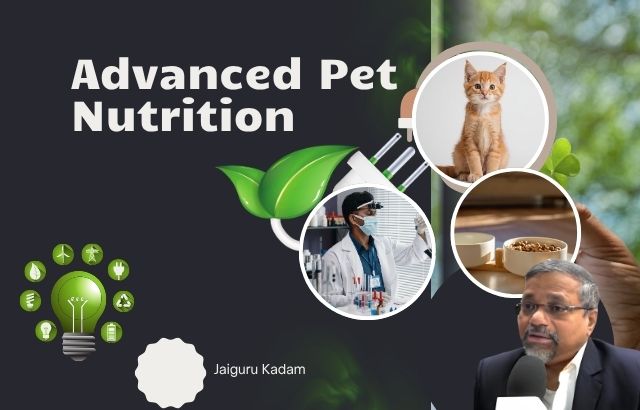
Advanced pet nutrition combines multiple disciplines:
- Nutrigenomics: Studying how food interacts with genes
- Microbiome science: Supporting gut health with probiotics and prebiotics
- Functional ingredients: Adding superfoods like turmeric, algae, or omega-rich oils
- Sustainable sourcing: Using alternative proteins such as insects or lab-grown meat
Kadam emphasizes that real progress happens when science, policy, and sustainability frameworks align, ensuring innovation is both effective and responsible.
Real-World Examples
1. Personalized Pet Diets
Companies now offer subscription-based meal plans tailored to your pet’s specific needs. For example, dogs with joint issues receive diets enriched with glucosamine and omega-3 fatty acids, while overweight pets get calorie-controlled meals.
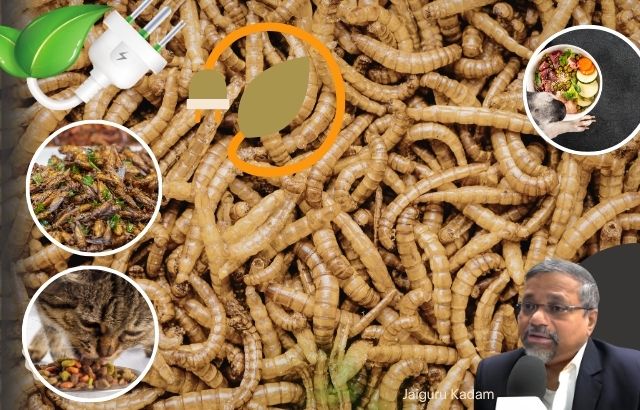
2. Insect-Based Protein
Brands are introducing pet foods made from insect protein, which requires significantly less water and land than traditional livestock. These diets are hypoallergenic and environmentally friendly.
3. Lab-Grown Meat for Pets
Cultivated meat is emerging as a cruelty-free alternative, providing the same nutrients as conventional meat without the environmental impact of animal farming.
4. Smart Feeding Systems
AI-powered feeders track your pet’s eating habits and adjust portions automatically, helping prevent obesity—a growing issue in urban pets.
Sustainability: The Game Changer
Pet food production contributes significantly to global carbon emissions. Advanced nutrition is addressing this by:
- Reducing reliance on resource-intensive meat
- Utilizing food waste streams responsibly
- Adopting eco-friendly packaging
Kadam stresses that interdisciplinary integration—bringing together environmental science, policy frameworks, and food technology—is essential to scale these solutions globally.
Interesting Stats You Should Know
- 📊 Nearly 60% of dogs and cats worldwide are overweight or obese, largely due to poor diet.
- 🌍 The pet food industry is responsible for up to 25–30% of the environmental impact of meat production.
- 🧬 Personalized pet nutrition is expected to grow at over 12% annually in the next decade.
- 🐜 Insect protein uses 90% less land and water compared to traditional livestock.
- 🐾 Pets fed microbiome-support diets show improved digestion in as little as 2–4 weeks.
Challenges to Overcome
Despite its promise, advanced pet nutrition faces hurdles:
- High cost of research and production
- Regulatory gaps in emerging markets
- Consumer skepticism around novel ingredients
- Need for global policy alignment
Kadam highlights the importance of adaptive innovation strategies, where solutions evolve alongside changing environmental and societal needs.
The Future: Smarter, Greener, Healthier
The future of pet care is not just about better food—it’s about holistic well-being. Imagine a world where:
- Your pet’s diet updates in real time based on health data
- Every ingredient is sustainably sourced
- Waste from pet food production is near zero
This vision is becoming reality as science continues to reshape the industry.
FAQs

1. What is advanced pet nutrition?
It refers to scientifically formulated diets that go beyond basic nutrition, incorporating personalized, functional, and sustainable ingredients to improve overall pet health.
2. Is personalized pet food worth it?
Yes, especially for pets with specific health conditions, allergies, or weight issues. Tailored diets can significantly improve quality of life.
3. Are alternative proteins like insects safe for pets?
Absolutely. Insect protein is highly digestible, nutrient-rich, and often recommended for pets with food sensitivities.
4. How does pet food impact the environment?
Traditional pet food relies heavily on meat production, which consumes large amounts of water, land, and energy. Sustainable alternatives reduce this impact.
5. Will lab-grown meat become common in pet food?
It’s still emerging, but early developments suggest it could become a mainstream, eco-friendly option in the near future.
Final Thoughts
From cutting-edge labs to everyday feeding bowls, pet nutrition is undergoing a remarkable transformation. As Jaiguru Kadam underscores, the key to lasting impact lies in combining scientific innovation, sustainability, and policy coherence.
For pet owners, this means one thing: the choices you make today can shape not only your pet’s health—but also the future of the planet.