Sustainable agriculture is no longer a choice—it is a necessity. As global food demand rises and environmental pressures intensify, green innovation is reshaping how crops are grown, protected, and processed. Among the most impactful yet under-discussed tools in this transformation are green solvents—eco-friendly alternatives to conventional chemical solvents used in agrochemicals, extraction processes, and crop protection formulations.
At the heart of this movement are green innovators—scientists, subject matter specialists, and industry leaders who bridge chemistry, agriculture, and sustainability. One such innovator is Jaiguru Kadam, a Subject Matter Specialist with extensive international experience in sustainable agricultural solutions and green chemistry applications.
Understanding Green Innovation in Agriculture

Green innovation refers to the development and application of products, processes, and technologies that:
- Reduce environmental impact
- Improve resource efficiency
- Maintain or enhance agricultural productivity
In agriculture, this innovation spans:
- Bio-based pesticides and fertilizers
- Precision farming technologies
- Renewable energy use
- Green solvents for formulation and extraction
What Are Green Solvents?

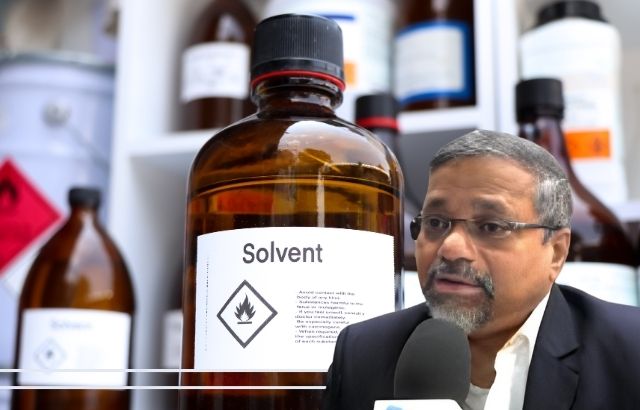
Green solvents are substances used to dissolve, extract, or formulate agricultural inputs while minimizing toxicity and environmental harm.
Key Characteristics:
- Biodegradable
- Low volatility (reduced air pollution)
- Derived from renewable sources
- Safer for farmers and ecosystems
Common Green Solvent Examples:
| Green Solvent | Source | Agricultural Application |
|---|---|---|
| Ethyl lactate | Fermented corn | Bio-pesticide formulations |
| Supercritical CO₂ | Recycled CO₂ | Botanical extraction |
| Glycerol | Biodiesel by-product | Fertilizer carriers |
| Water-based systems | Natural | Seed treatments |
How Green Solvents Advance Sustainable Agriculture

1. Reduced Environmental Footprint
Traditional solvents often contaminate soil and groundwater. Green solvents degrade naturally, protecting biodiversity.
2. Improved Farmer Safety
Lower toxicity reduces health risks during handling and application.
3. Higher Efficiency of Bio-Actives
Green solvents enhance the stability and delivery of natural active ingredients.
4. Regulatory Compliance
They align with increasingly strict global environmental regulations.
The Role of Green Innovators: Spotlight on Jaiguru Kadam
Jaiguru Kadam, a Subject Matter Specialist with extensive international exposure, plays a critical role in translating green chemistry concepts into practical agricultural solutions.
Key Contributions:
- Advising on green solvent adoption for agrochemical and bio-input companies
- Working across international markets, aligning sustainability goals with regional regulations
- Training stakeholders—from R&D teams to farmers—on eco-friendly formulation strategies
- Bridging science and scalability, ensuring innovations move from lab to field
With hands-on experience across diverse agricultural ecosystems, professionals like Jaiguru Kadam help ensure that sustainability is economically viable, scientifically sound, and globally adaptable.
Sample Calculation: Environmental Impact Reduction
Let’s consider a simple comparison between a traditional solvent and a green solvent used in pesticide formulation.
Assumptions:
- Annual solvent usage: 1,000 liters
- VOC emissions:
- Traditional solvent: 2.5 kg VOC / liter
- Green solvent: 0.5 kg VOC / liter
Calculation:
Traditional solvent emissions:
1,000 × 2.5 = 2,500 kg VOC/year
Green solvent emissions:
1,000 × 0.5 = 500 kg VOC/year
Impact Reduction:
2,500 − 500 = 2,000 kg VOC avoided annually
➡️ 80% reduction in VOC emissions
This demonstrates how a single innovation choice can significantly improve environmental outcomes.
Real-World Example: Botanical Pesticide Extraction
A sustainable agri-startup replaced petroleum-based solvents with supercritical CO₂ to extract neem-based bioactives:
- Increased extraction efficiency by 15%
- Eliminated solvent residue concerns
- Gained faster regulatory approvals in EU markets
Such transitions are often guided by experts like Jaiguru Kadam, who understand both technical feasibility and regulatory landscapes.
The Future of Green Solvents in Agriculture
As climate resilience becomes a core agricultural goal, green solvents will:
- Enable next-generation bio-inputs
- Support regenerative farming
- Reduce dependence on fossil-based chemicals
Green innovators will remain central—educating, implementing, and scaling sustainable solutions across borders.
Ask jaiguru-Frequently Asked Questions (FAQs)
1. Are green solvents more expensive than traditional solvents?
Initially, yes. However, long-term savings arise from lower regulatory costs, improved safety, and higher efficiency.
2. Can green solvents fully replace chemical solvents in agriculture?
In many applications, yes. Ongoing innovation continues to expand their usability.
3. Do green solvents affect crop yield?
No—when properly formulated, they often improve the performance of active ingredients.
4. What role do specialists like Jaiguru Kadam play?
They guide selection, formulation, compliance, and field-level implementation, ensuring successful adoption.
5. Are green solvents accepted globally?
Yes, especially in regions with strong sustainability regulations such as the EU, Japan, and parts of North America.
Conclusion

Green solvents represent a powerful yet practical pathway toward sustainable agriculture. Combined with the expertise of green innovators like Jaiguru Kadam, they transform environmental responsibility into real-world impact. As agriculture evolves, the collaboration between science, innovation, and leadership will define a greener future for food systems worldwide.