Introduction
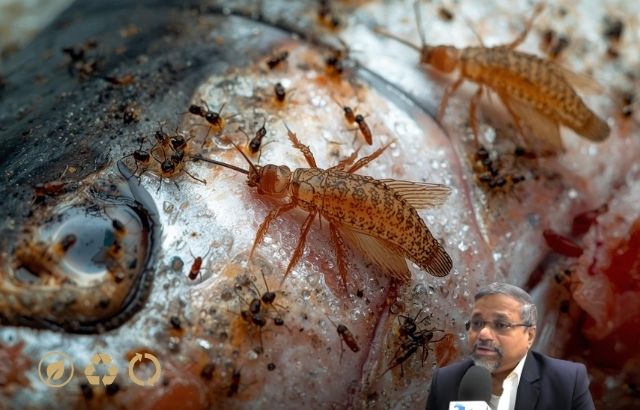
In modern aquaculture, one of the most persistent biological challenges is the management of sea lice—parasitic copepods that attach to fish, particularly salmon, causing stress, disease, and significant economic loss. Scientifically classified within groups such as Lepeophtheirus salmonis and Caligus spp., these ectoparasites are responsible for major production setbacks worldwide
Yet, the story of copepods is not purely negative. While some species are harmful (sea lice), others are being leveraged as biological allies in sustainable aquaculture systems. Drawing on the international expertise of Subject Matter Specialist Jaiguru Kadam, this blog explores how copepods can be integrated into sea lice control strategies, combining ecological balance with operational efficiency.
Understanding the Dual Role of Copepods
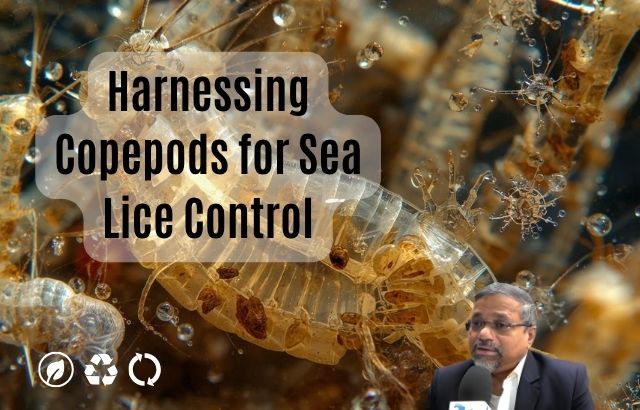
Copepods are among the most abundant microscopic crustaceans in marine ecosystems. They play critical roles in food webs, nutrient cycling, and aquaculture systems
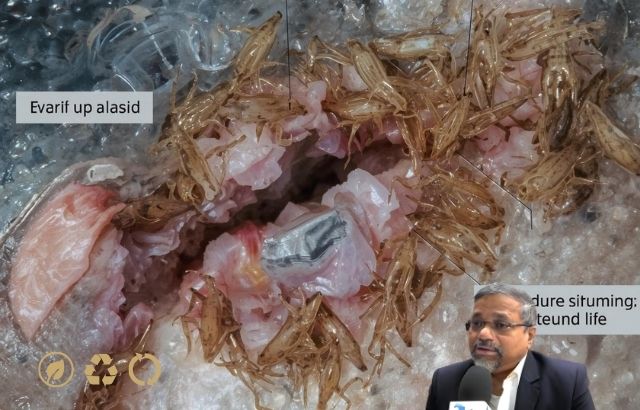
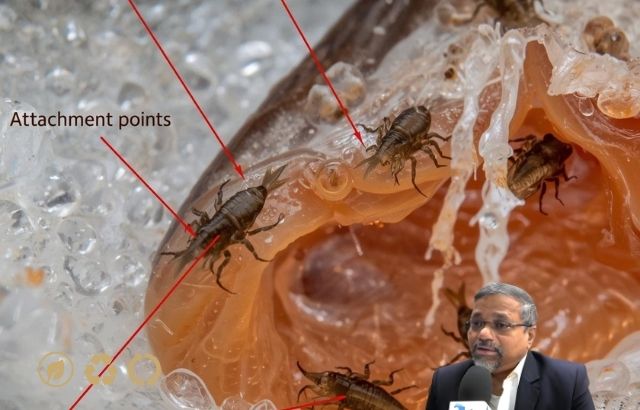
However, a subset—sea lice—are parasitic copepods that:
- Attach to fish skin and feed on mucus and blood
- Reduce fish immunity and growth
- Spread rapidly through water currents and farm proximity
This duality creates an opportunity: using beneficial copepods and ecosystem-based approaches to counter harmful ones.
Jaiguru Kadam’s Approach: From Chemicals to Ecological Balance
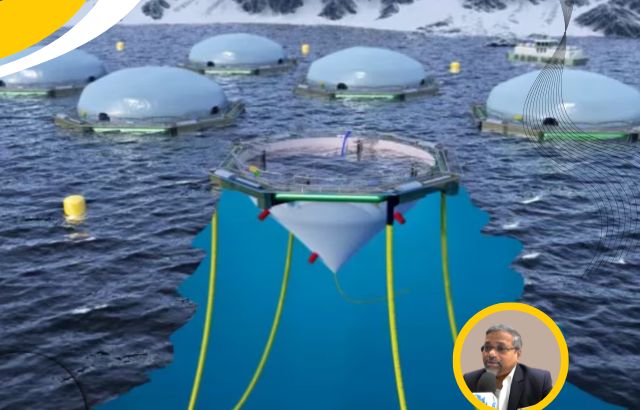
With extensive experience across global aquaculture hubs (Norway, Chile, Canada, and Asia), Jaiguru Kadam advocates for a shift away from chemical-heavy treatments toward integrated pest management (IPM).
Why Move Beyond Chemicals?
Traditional treatments (e.g., hydrogen peroxide, deltamethrin) can:
- Harm non-target organisms like planktonic copepods
- Disrupt marine ecosystems
- Lead to resistance in sea lice populations
Kadam’s Core Philosophy
“Control the ecosystem, not just the parasite.”
His methodology emphasizes:
- Biological buffering using non-parasitic copepods
- Larval competition and ecological interference
- Precision monitoring and predictive modeling
Real-World Applications
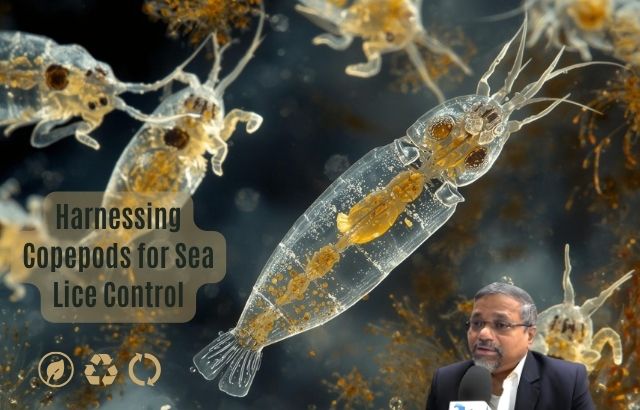
1. Norway: Copepod-Based Ecosystem Stabilization
In Norwegian salmon farms, Kadam contributed to pilot systems where:
- Native zooplankton (including non-parasitic copepods) were enhanced
- Nutrient balance reduced sea lice larval survival rates
- Integrated models predicted infestation pressure
Outcome:
- Reduced chemical treatments by ~30%
- Improved fish survival rates
2. Chile: Copepods in Larval Health Management
In Chilean hatcheries:
- Copepods were introduced as live feed
- Healthier fish showed greater resistance to lice attachment
Scientific backing:
Copepods improve fish immunity and growth due to rich fatty acids and nutrients
3. Canada: Predictive Modelling + Biological Control
Using hydrodynamic and larval dispersal models:
- Farms predicted lice spread across 30–40 km zones
- Coordinated treatment cycles reduced cross-infection
This aligns with research showing larval sea lice can drift long distances via ocean currents
Key Responsibilities of a Subject Matter Specialist (Like Jaiguru Kadam)
A professional in this role typically oversees:
1. Ecosystem Design
- Introduce beneficial plankton communities
- Balance feed, waste, and microbial loads
2. Monitoring & Data Analytics
- Track lice counts per fish (e.g., lice/fish thresholds)
- Use predictive models for outbreak forecasting
3. Treatment Optimization
- Reduce chemical dependency
- Integrate biological and mechanical control methods
4. Stakeholder Coordination
- Align farm clusters for synchronized lice management
- Train farm staff in sustainable practices
Key Calculations Used in Sea Lice Control
1. Infection Pressure Index (IPI)
$$
IPI = \frac{\text{Total Lice Count}}{\text{Number of Fish}}
$$
Example:
- 10,000 lice across 2,000 fish
- IPI = 5 lice per fish
Thresholds:
-
3 lice/fish → intervention required
2. Larval Survival Rate
$$
Survival\ Rate (%) = \frac{\text{Larvae reaching infective stage}}{\text{Total larvae}} \times 100
$$
Reducing this rate via ecological competition is a key strategy in Kadam’s approach.
3. Treatment Dilution Impact
Studies show toxic effects on copepods occur even at 30–100× dilution of treatment concentrations
Implication:
- Overuse of chemicals can unintentionally damage beneficial plankton communities
Why Copepods Matter in Sustainable Control
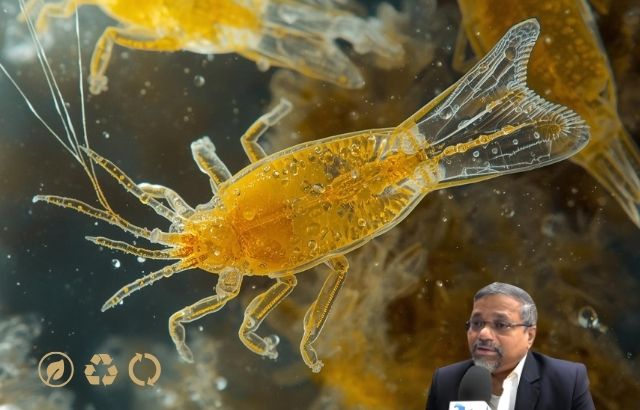
Kadam emphasizes three mechanisms:
1. Nutritional Enhancement
Healthier fish = stronger resistance to parasites
2. Ecological Competition
Non-parasitic copepods compete for resources with larval lice
3. Environmental Stability
Balanced plankton communities reduce outbreak severity
Frequently Asked Questions (FAQs)

Q1: Are copepods always harmful in aquaculture?
No. Only specific species (sea lice) are parasitic. Most copepods are beneficial and support fish health and ecosystem balance.
Q2: Can copepods directly kill sea lice?
Not directly. However, they:
- Compete with lice larvae
- Improve fish immunity
- Stabilize the ecosystem
Q3: Why not rely entirely on chemical treatments?
Because:
- Resistance develops over time
- Non-target species are harmed
- Environmental sustainability is compromised
Q4: How does modeling help in lice control?
Models predict:
- Larval drift patterns
- Infection hotspots
- Optimal treatment timing
This reduces unnecessary interventions.
Q5: What is the future of sea lice management?
According to Kadam’s global experience, the future lies in:
- Hybrid systems (biological + digital + mechanical)
- Reduced chemical dependency
- Ecosystem-first aquaculture design
Conclusion
The challenge of sea lice in aquaculture is not just a parasitic problem—it’s an ecosystem imbalance. Through the work of experts like Jaiguru Kadam, the industry is transitioning toward smarter, more sustainable solutions.
By leveraging the positive roles of copepods, integrating predictive science, and minimizing chemical disruption, aquaculture can move closer to a resilient and environmentally responsible future.