By Jaiguru Kadam
Subject Matter Specialist with Vast International Experience in Agrochemical Formulations, Green Chemistry, Specialty Ingredients, Sustainable Crop Protection, and Agricultural Innovation
Introduction
The global agricultural industry is undergoing a major transformation driven by sustainability, environmental regulations, carbon reduction goals, and consumer demand for safer food production systems. As a result, opportunities are rapidly expanding for businesses involved in:
- Green Solvents
- Green Surfactants and Adjuvants
- Plant-Derived Herbicides
- Green Herbicides
- Bioherbicides
- Green Herbicide Safeners
- Biological Crop Protection Products
- Sustainable Formulation Technologies
Companies that successfully integrate innovative ingredients with effective formulations can achieve significant competitive advantages while supporting sustainable agriculture.
This article explores practical success strategies, market opportunities, analytical frameworks, and business planning tools for entrepreneurs, formulators, ingredient manufacturers, investors, and agricultural technology companies.
1. Understanding the Green Agriculture Value Chain

A successful formulation business must understand where value is created.
Raw Material Sources
- Plant oils
- Vegetable esters
- Essential oils
- Fermentation products
- Natural surfactants
- Biopolymers
- Amino acids
- Bio-based solvents
Ingredient Suppliers
Examples:
- Soy methyl ester producers
- Castor oil derivative manufacturers
- Citrus terpene producers
- Sugar-based surfactant manufacturers
Formulation Companies
Convert ingredients into:
- Herbicides
- Bioherbicides
- Adjuvants
- Safeners
- Tank mix additives
- Seed treatment products
Distribution Network
- Agricultural distributors
- Cooperatives
- Retailers
- Digital agriculture platforms
2. Green Solvents: A Major Growth Opportunity
Traditional petroleum solvents face increasing regulatory pressure.
Examples of Green Solvents
Soy Methyl Ester (SME)
Applications:
- Herbicide formulations
- Drift reduction
- Penetration enhancement
Benefits:
- Biodegradable
- Renewable
- Low toxicity
Methyl Oleate
Applications:
- Adjuvants
- Emulsifiable concentrates
Ethyl Lactate
Applications:
- Specialty formulations
- Green cleaning products
d-Limonene
Derived from citrus peel.
Applications:
- Solvent replacement
- Natural herbicide systems
Example Business Model
Annual Capacity:
5000 MT Green Solvent
Average Selling Price:
USD 1,500/MT
Annual Revenue:
Revenue = Capacity × Price
Revenue = 5000 × 1500
Revenue = USD 7.5 Million
3. Green Surfactants and Adjuvants
Surfactants determine biological performance.
Major Categories
Nonionic Green Surfactants
Examples:
- Alkyl polyglucosides (APG)
- Sugar-based surfactants
Methylated Seed Oils (MSO)
Benefits:
- Improved uptake
- Better rainfastness
Organosilicone Alternatives
New bio-based spreading agents are replacing traditional silicones.
Natural Wetting Agents
Derived from:
- Coconut oil
- Palm derivatives
- Sugar chemistry
Success Strategy
Focus on:
- Low use rates
- High efficacy
- Tank mix compatibility
- Regulatory acceptance
4. Plant-Derived Herbicides and Green Herbicides
Natural products are becoming viable alternatives in specific applications.
Examples
Pelargonic Acid
Used for:
- Burn-down weed control
- Organic farming
Acetic Acid Formulations
Applications:
- Non-selective weed management
Clove Oil
Active compounds:
- Eugenol
Cinnamon Oil
Applications:
- Weed suppression
Lemongrass Oil
Applications:
- Contact herbicide systems
Market Drivers
- Organic agriculture growth
- Reduced pesticide residues
- Sustainability mandates
- Carbon footprint reduction
5. Bioherbicides
Bioherbicides utilize microorganisms or natural metabolites.
Examples
Fungal-Based Bioherbicides
Species examples:
- Colletotrichum spp.
- Phoma spp.
Bacterial-Based Systems
Examples:
- Certain Pseudomonas strains
Fermentation-Derived Metabolites
Applications:
- Weed suppression
- Growth inhibition
Commercial Challenges
- Shelf life
- Consistency
- Environmental stability
- Production costs
6. Green Herbicide Safeners
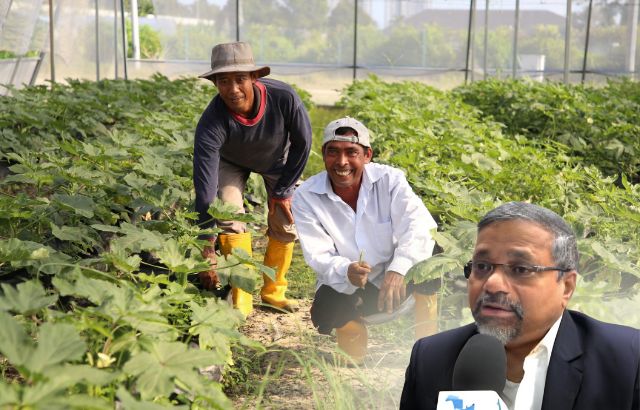
Safeners protect crops while allowing herbicide effectiveness.
Future opportunities include:
- Amino acid derivatives
- Natural antioxidants
- Plant extracts
- Biostimulant-based safeners
Potential Examples
Seaweed Extracts
May enhance crop tolerance.
Amino Acid Packages
Improve stress recovery.
Natural Phenolic Compounds
Provide oxidative stress protection.
Example Economic Calculation
If a safener increases crop yield by 5%.
Current Yield:
4 MT/ha
Yield Gain:
4 × 5%
= 0.2 MT/ha
Crop Price:
USD 300/MT
Additional Value:
0.2 × 300
= USD 60/ha
If safener cost = USD 12/ha
ROI:
60 ÷ 12
= 5:1 Return on Investment
7. Formulation Innovation Success Factors
Successful businesses focus on:
Performance
- Efficacy
- Stability
- Compatibility
Sustainability
- Biodegradability
- Reduced toxicity
Regulatory Compliance
- REACH
- EPA
- Global registrations
Manufacturing Efficiency
- Scalable processes
- Cost optimization
8. Strategic Business Analyses

A successful ingredient business should conduct multiple analytical studies.
SWOT Analysis
Strengths
- Proprietary technology
- Green credentials
Weaknesses
- Higher costs
- Scale limitations
Opportunities
- Sustainable agriculture growth
Threats
- Regulatory changes
- New competitors
GAP Analysis
Identifies:
Current Position
vs
Desired Future Position
Example:
Current Bioherbicide Market Share = 2%
Target Market Share = 10%
Gap = 8%
PESTLE Analysis
Political
Agricultural subsidies
Economic
Commodity prices
Social
Consumer preference for sustainable food
Technological
Novel formulation technologies
Legal
Registration requirements
Environmental
Carbon reduction targets
Porter’s Five Forces Analysis
- Competitive Rivalry
- Supplier Power
- Buyer Power
- Threat of Substitutes
- Threat of New Entrants
Value Chain Analysis
Evaluates:
- Raw materials
- Manufacturing
- Distribution
- Marketing
- Technical support
Market Attractiveness Analysis
Measures:
- Growth rate
- Profitability
- Competition intensity
Risk Analysis
Includes:
- Regulatory risk
- Supply chain risk
- Technology risk
- Financial risk
Benchmarking Analysis
Compare against:
- Industry leaders
- Competitor formulations
- Global best practices
Cost-Benefit Analysis
Determines:
Benefits Generated
versus
Investment Required
Competitive Intelligence Analysis
Tracks:
- New patents
- Product launches
- Partnerships
- Mergers and acquisitions
Technology Readiness Assessment
Evaluates:
- Laboratory stage
- Pilot stage
- Commercial stage
Sustainability Analysis
Measures:
- Carbon footprint
- Water footprint
- Renewable content
- ESG performance
9. Future Opportunities
High-growth areas include:
- AI-driven formulation design
- Bio-based adjuvants
- Precision agriculture ingredients
- Carbon-neutral crop protection products
- Biological-herbicide combinations
- Regenerative agriculture inputs
- Sustainable tank-mix technologies
Conclusion
The future of agricultural formulation and ingredient businesses lies at the intersection of performance, sustainability, and innovation. Green solvents, green surfactants, plant-derived herbicides, bioherbicides, and green safeners represent significant commercial opportunities for companies willing to invest in research, formulation science, regulatory strategy, and market development.
Organizations that combine scientific innovation with robust business analysis tools such as SWOT, GAP Analysis, PESTLE, Porter’s Five Forces, Value Chain Analysis, Sustainability Assessment, and Competitive Intelligence will be best positioned to capture value in the rapidly expanding green agriculture economy.
Frequently Asked Questions (FAQs)

Q1. What are green solvents?
Green solvents are environmentally friendly solvents derived from renewable resources that offer lower toxicity and improved biodegradability compared with petroleum-based solvents.
Q2. What is the difference between a bioherbicide and a green herbicide?
A bioherbicide typically contains living microorganisms or their metabolites, while a green herbicide may be derived from natural plant-based compounds without containing living organisms.
Q3. Why are green surfactants important?
They improve spreading, wetting, penetration, and herbicide performance while reducing environmental impact.
Q4. What is a herbicide safener?
A safener protects crop plants from herbicide injury while maintaining weed control effectiveness.
Q5. What are the biggest challenges in bioherbicide commercialization?
Shelf life, formulation stability, manufacturing consistency, field performance, and regulatory approvals.
Q6. How can startups enter this sector?
Startups can focus on niche ingredients, innovative formulations, licensing technologies, contract manufacturing, and strategic partnerships with agricultural companies.
Q7. Which analytical framework should be used first?
Most businesses begin with SWOT Analysis and Market Attractiveness Analysis, followed by GAP Analysis and detailed financial modeling.
Q8. What is the future growth potential?
The global trend toward sustainable agriculture, biological products, and green chemistry suggests strong long-term growth opportunities across all green agricultural input categories.