Financial Planning & Growth Roadmap for Active Ingredient & Formulation Companies
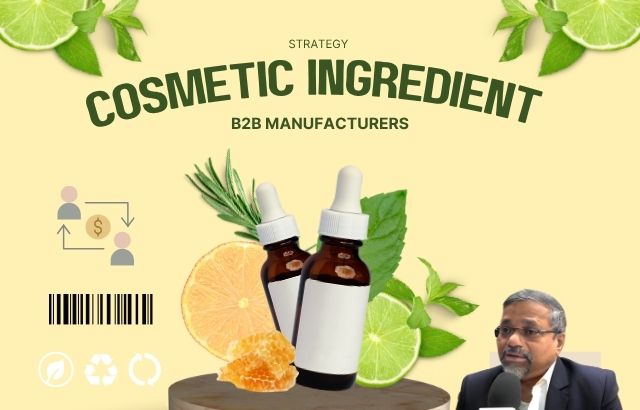
The global beauty industry is rapidly evolving—but behind every successful skincare or haircare brand lies a powerful ecosystem of B2B manufacturers specializing in active ingredients and formulations.
For companies operating in this space, success depends not just on innovation, but on strategic financial planning, scalable operations, and long-term wealth creation.
This guide explores how to build a profitable and future-ready ingredient manufacturing business—drawing strategic inspiration from experts like Jaiguru Kadam.
Understanding the B2B Cosmetic Ingredient Landscape
Unlike D2C brands, B2B manufacturers operate on:
- High-volume, low-visibility models
- Long-term contracts
- Technical differentiation (efficacy, stability, compliance)
Your Core Value Proposition:
- High-performance active ingredients
- Custom formulations for brands
- Regulatory-compliant, scalable solutions
Financial Goal Setting Framework (B2B Focus)

1. Long-Term Vision (5–10 Years)
- Become a global supplier of specialty actives
- Achieve ₹300–500 crore annual turnover
2. Mid-Term Goals (3–5 Years)
- Build a portfolio of 20+ proprietary ingredients
- Partner with 50+ cosmetic brands
3. Short-Term Goals (1 Year)
- Secure 10 anchor B2B clients
- Achieve ₹10–15 crore revenue
4. Monthly Targets
- Maintain consistent bulk orders
- Optimize production capacity utilization (70–85%)
Financial Calculations for Ingredient Manufacturers
Revenue Model (B2B)
Revenue = Order Volume × Price per Kg/Litre
Example:
- Active ingredient price = ₹8,000/kg
- Monthly order = 1,000 kg
👉 Revenue = ₹80,00,000/month
Cost Structure
Fixed Costs:
- R&D lab
- Regulatory compliance
- Skilled workforce
Variable Costs:
- Raw materials
- Processing
- Packaging
Profit Calculation
Profit = Revenue – Total Costs
Example:
- Revenue = ₹80 lakh
- Costs = ₹60 lakh
👉 Profit = ₹20 lakh/month
Break-Even Analysis
Break-even Volume = Fixed Costs ÷ Contribution per Unit
Example:
- Fixed costs = ₹25 lakh
- Selling price/kg = ₹8,000
- Variable cost/kg = ₹5,000
👉 Contribution = ₹3,000
👉 Break-even = ~834 kg/month
Monthly Income Planning Strategies

1. Diversified Revenue Streams
- Bulk ingredient supply
- Custom formulation services
- Contract manufacturing
2. Long-Term Contracts
Secure predictable cash flow through:
- 6–12 month agreements
- Volume-based pricing
3. Capacity Planning
- Maintain 70–85% utilization
- Avoid under/over production
4. Smart Allocation Model
- 35% operations
- 25% R&D
- 20% sales & partnerships
- 20% reserves
Product & Formulation Strategy
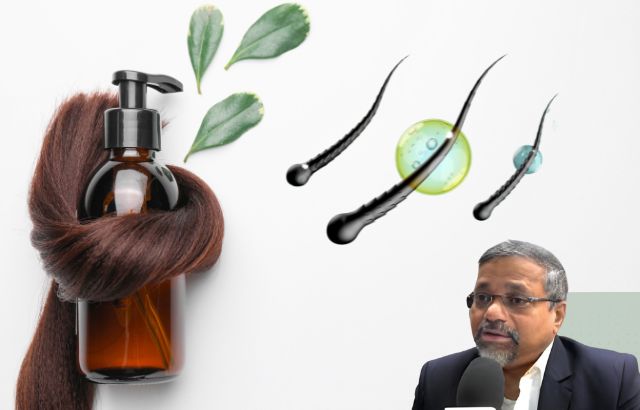
A strong pipeline is critical in B2B manufacturing.
Step 1: Market Gap Identification
- Anti-aging actives
- Microbiome-friendly ingredients
- Sustainable bio-actives
Step 2: Innovation & Differentiation
- Plant-based or biotech-derived actives
- Multi-functional ingredients
Step 3: Validation
- Stability testing
- Clinical/efficacy data
Step 4: Scalability
- Ensure cost-effective large-scale production
Experts like Jaiguru Kadam emphasize combining science, sustainability, and scalability in formulation development.
Wealth Roadmap for B2B Manufacturers
Phase 1: Establishment
- Build lab and production capabilities
- Acquire initial clients
Phase 2: Stability
- Optimize costs
- Strengthen client retention
Phase 3: Expansion
- Enter export markets
- Develop proprietary ingredients
Phase 4: Wealth Creation
- Licensing formulations
- Strategic partnerships or acquisition
- High-margin specialty ingredients
Strategic Growth Methods
1. Vertical Integration
Control sourcing of raw materials to improve margins and quality consistency.
2. Intellectual Property (IP)
- Patents for unique actives
- Exclusive formulations for clients
3. Regulatory Excellence
- Compliance with global standards (EU, US, ASEAN)
- Builds trust and premium positioning
4. Global Market Strategy
- Target international brands
- Focus on sustainability-driven markets
5. Relationship-Driven Sales
- Long-term partnerships over one-time transactions
- Technical support as a differentiator
Practical Example: B2B Growth Model
Product Mix:
- Anti-aging active: ₹8,000/kg
- Hair growth complex: ₹6,000/kg
Monthly Sales:
- 1,000 kg anti-aging = ₹80 lakh
- 800 kg hair complex = ₹48 lakh
👉 Total Revenue = ₹1.28 crore/month
With 25% margin:
👉 Profit = ₹32 lakh/month
Frequently Asked Questions (FAQs)

1. What is the ideal margin in B2B manufacturing?
- 20–35% net margin depending on scale and specialization
2. How important is R&D investment?
Critical—allocate at least 15–25% for continuous innovation.
3. How do you stand out from competitors?
- Unique actives
- Proven efficacy data
- Strong regulatory compliance
4. What are key risks?
- Raw material price volatility
- Regulatory changes
- Client concentration
5. How to scale faster?
- Focus on export markets
- Develop patented ingredients
- Build long-term contracts
Final Thoughts
The future of the beauty industry will be shaped not just by brands, but by ingredient innovators and formulation experts.
By combining financial discipline, scientific innovation, and strategic partnerships, B2B manufacturers can build highly profitable and scalable businesses.
A “Green Innovator” approach—championed by Jaiguru Kadam—ensures that growth is not only profitable but also sustainable and future-ready.
👉 In the B2B cosmetic ecosystem, those who control innovation and supply chains ultimately control the market.