From the perspective of Green Innovator & Subject Matter Specialist Jaiguru Kadam (with vast international experience)
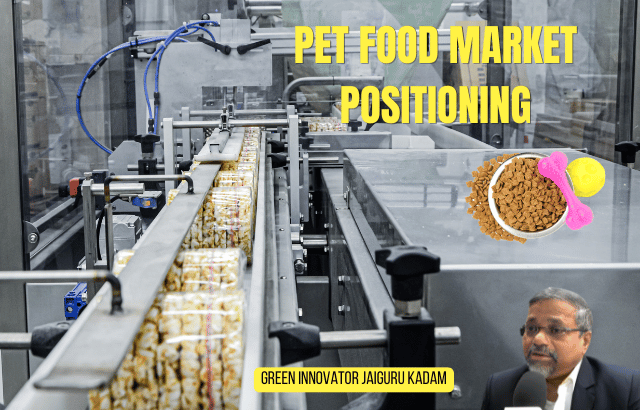
Pet nutrition is no longer just about feeding—it is about fueling longevity, immunity, and overall wellness. From my experience working across global markets—from Europe’s sustainability-driven pet food systems to Asia’s rapidly evolving premium pet care sector—I’ve seen one clear shift: pet parents are thinking like health strategists.
The future of pet nutrition lies at the intersection of science, sustainability, and simplicity. Today’s informed pet owners are not just asking “Is this food good?”—they are asking “Is this food functional, ethical, and future-ready?”
Let’s explore the most important trends shaping this transformation.
1. Functional Nutrition Becomes the New Standard
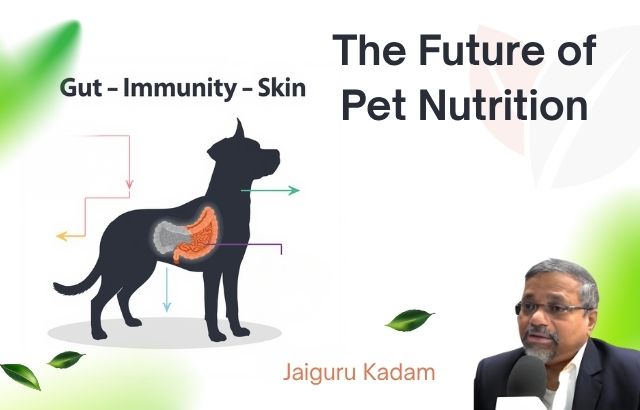
Functional nutrition focuses on targeted health outcomes—gut health, immunity, skin wellness, and even cognitive function.
Example:
A dog with recurring skin allergies may not just need a protein change—it may require:
- Gut microbiome support
- Anti-inflammatory nutrients
- Highly digestible protein
Instead of multiple supplements, advanced formulas now combine all of this into one.
Calculation Insight:
- Traditional approach: 3 supplements × ₹800/month = ₹2400
- Functional single formula: ₹1500/month
👉 Savings: ₹900/month + simplified routine
2. Rise of Alternative Proteins (Like Silkworm Protein)
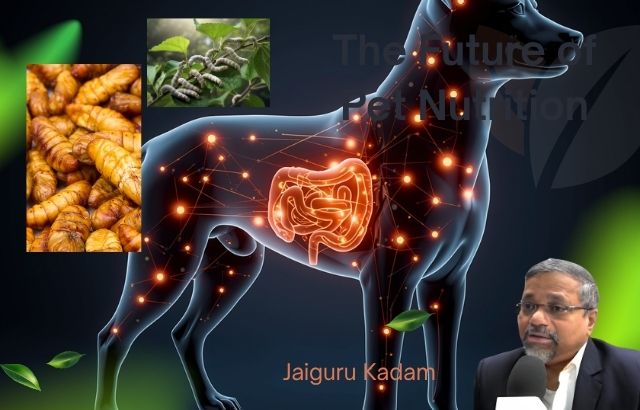
Globally, alternative proteins are gaining traction—and for good reason. Silkworm protein, for instance, is:
- Highly digestible
- Rich in essential amino acids
- Hypoallergenic for sensitive pets
Example:
In markets like South Korea and parts of Europe, insect-based and silkworm-derived proteins are already integrated into premium pet diets to address allergies and sustainability concerns.
Why it matters:
Traditional meat production is resource-intensive, whereas silkworm farming:
- Requires less land
- Produces lower emissions
- Utilizes natural mulberry-based feeding systems
3. Sustainability Is No Longer Optional
Sustainability is not a trend—it’s becoming a responsibility.
From my international exposure, I’ve seen regulatory bodies and conscious consumers push for:
- Low-carbon pet food production
- Ethical sourcing
- Minimal waste packaging
Example Calculation:
If 1 pet consumes ~100 kg of traditional meat-based food/year:
- Switching even 30% to sustainable protein = 30 kg reduced environmental burden per pet annually
Multiply that by millions of pets—and the impact is massive.
4. The Gut–Immunity–Skin Connection

Science now confirms that over 70% of immunity is linked to gut health.
Example:
A pet with poor digestion may show:
- Low energy
- Weak immunity
- Dull coat
By improving gut health through functional nutrition:
- Immunity improves
- Skin conditions reduce
- Energy levels rise
This is why future pet food is being designed to work from the inside out.
5. Single-Formula, Multi-Benefit Nutrition
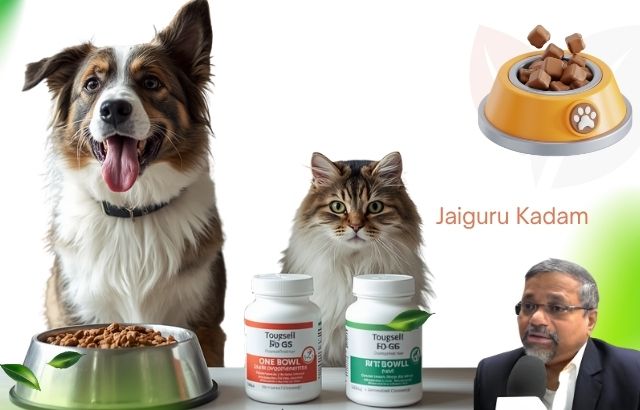
Pet owners are moving away from complicated feeding routines toward all-in-one solutions.
Example:
Instead of:
- अलग-अलग supplements for joints, coat, digestion
A single advanced formula can provide:
- Protein + probiotics + micronutrients
Time Calculation:
- Managing 4 products daily = ~10 minutes/day
- Single formula = ~2 minutes/day
👉 Saves 8 minutes/day = ~48 hours/year
That’s 2 full days saved—just by simplifying nutrition.
6. Data-Driven & Personalized Nutrition
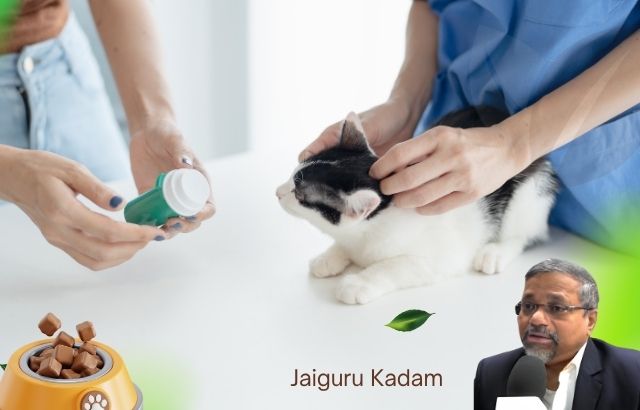
Technology is beginning to influence pet nutrition:
- Health tracking apps
- DNA-based diet suggestions
- Breed-specific formulations
Example:
A Labrador with obesity risk will have a very different nutritional requirement than an active Indie dog.
Future nutrition will be customized, measurable, and adaptive.
7. Clean, Transparent & Pesticide-Free Ingredients
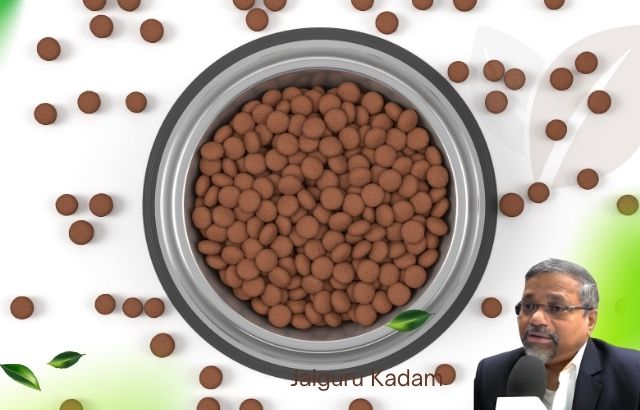
Modern pet parents demand clean-label nutrition:
- No harmful chemicals
- Transparent sourcing
- Natural ingredients
Example:
Silkworms fed on fresh mulberry leaves ensure:
- Clean protein source
- Reduced toxin exposure
This directly impacts long-term health outcomes.
Final Perspective

From my journey as a green innovator, I can confidently say:
The future of pet nutrition will not be defined by brands—but by responsibility, science, and sustainability.
Pet owners who adapt early will see:
- Fewer health issues
- Lower long-term costs
- Happier, healthier pets
The shift has already begun—the question is, are you ready to be part of it?
FAQs
Q1: Is alternative protein safe for pets?
Yes. When scientifically processed and tested, alternative proteins like silkworm protein are highly digestible and safe.
Q2: How do I know if my pet needs functional nutrition?
Look for signs like:
- Frequent illness
- Skin issues
- Low energy
These indicate deeper nutritional gaps.
Q3: Is sustainable pet food expensive?
Initially, it may seem premium—but:
- Lower vet bills
- Fewer supplements
👉 Result in long-term savings
Q4: How long does it take to see results after switching food?
Typically:
- 2–4 weeks for digestion improvement
- 6–8 weeks for skin and coat changes
Q5: Can one formula really replace multiple supplements?
Yes—advanced formulations are designed to deliver multi-functional benefits in a single serving.
Closing Thought
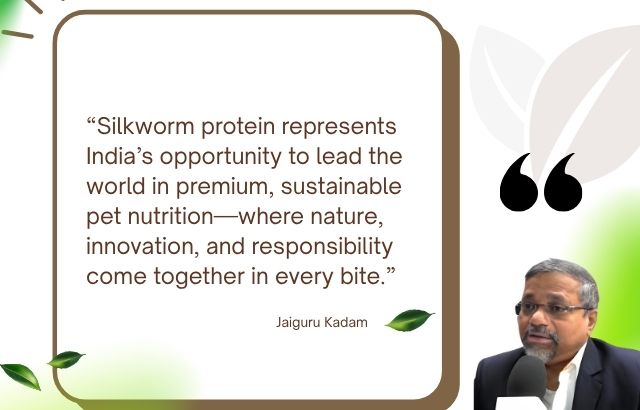
As a subject matter specialist with global exposure, I believe the next decade will redefine how we nourish our pets. The focus will shift from feeding for survival → feeding for optimal living.
The future is not just about what pets eat—
it’s about how intelligently, sustainably, and purposefully we nourish them.